The Science of
Perfect Grilling
Temperatures, techniques, and thermodynamics — master every grilling method from reverse sear to direct heat. Written by Dr. Claire Whitfield, food scientist with a PhD in meat science.
Featured Guides
In-depth, science-backed articles on grilling techniques — from thermal physics to Maillard chemistry.
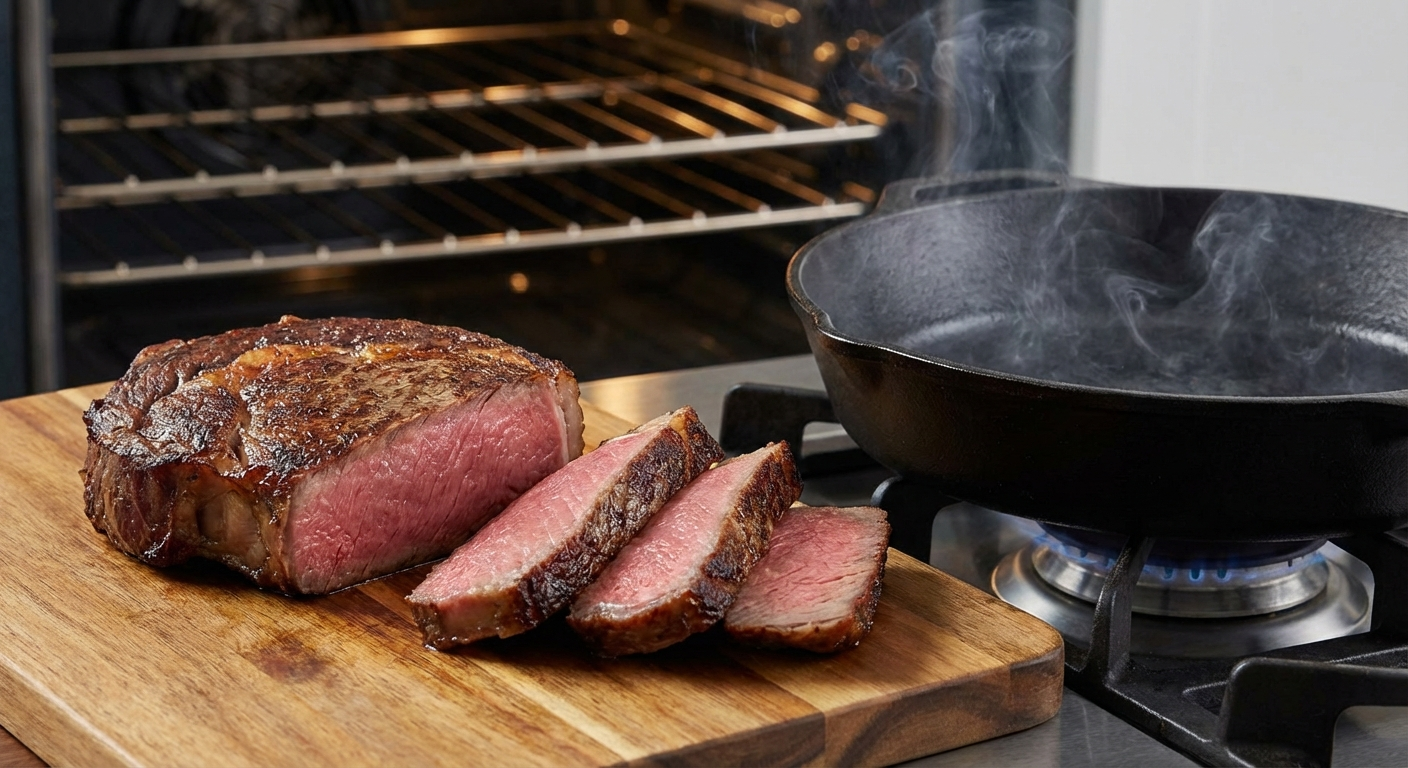
The Reverse Sear Method: A Complete Scientific Guide
The reverse sear produces the most evenly cooked steak possible. Here's the complete science behind the method — thermal gradients, timing, and exactly how to execute it.
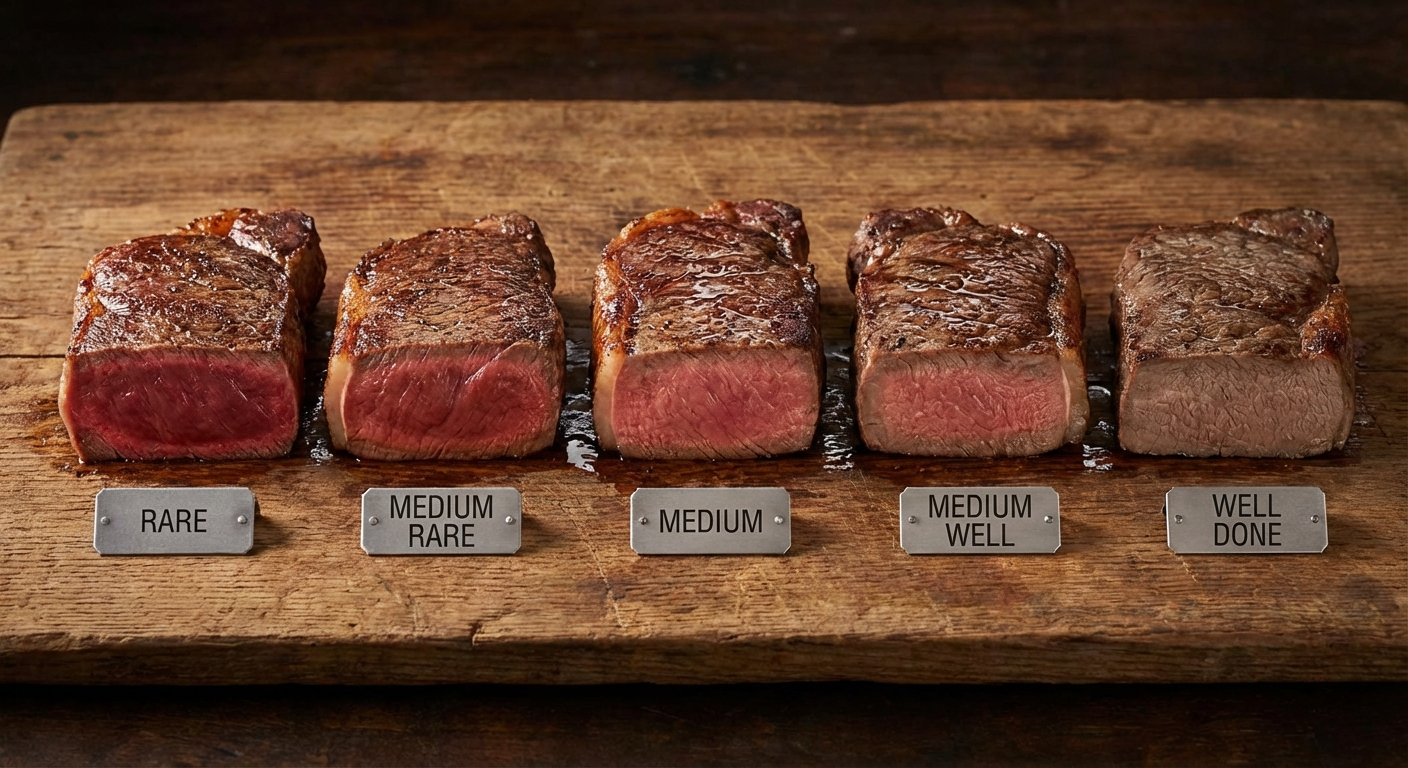
Steak Doneness Temperatures: The Definitive Reference
Forget vague guidelines. Here are the exact internal temperatures for every doneness level, with the science of what happens to your steak at each degree.
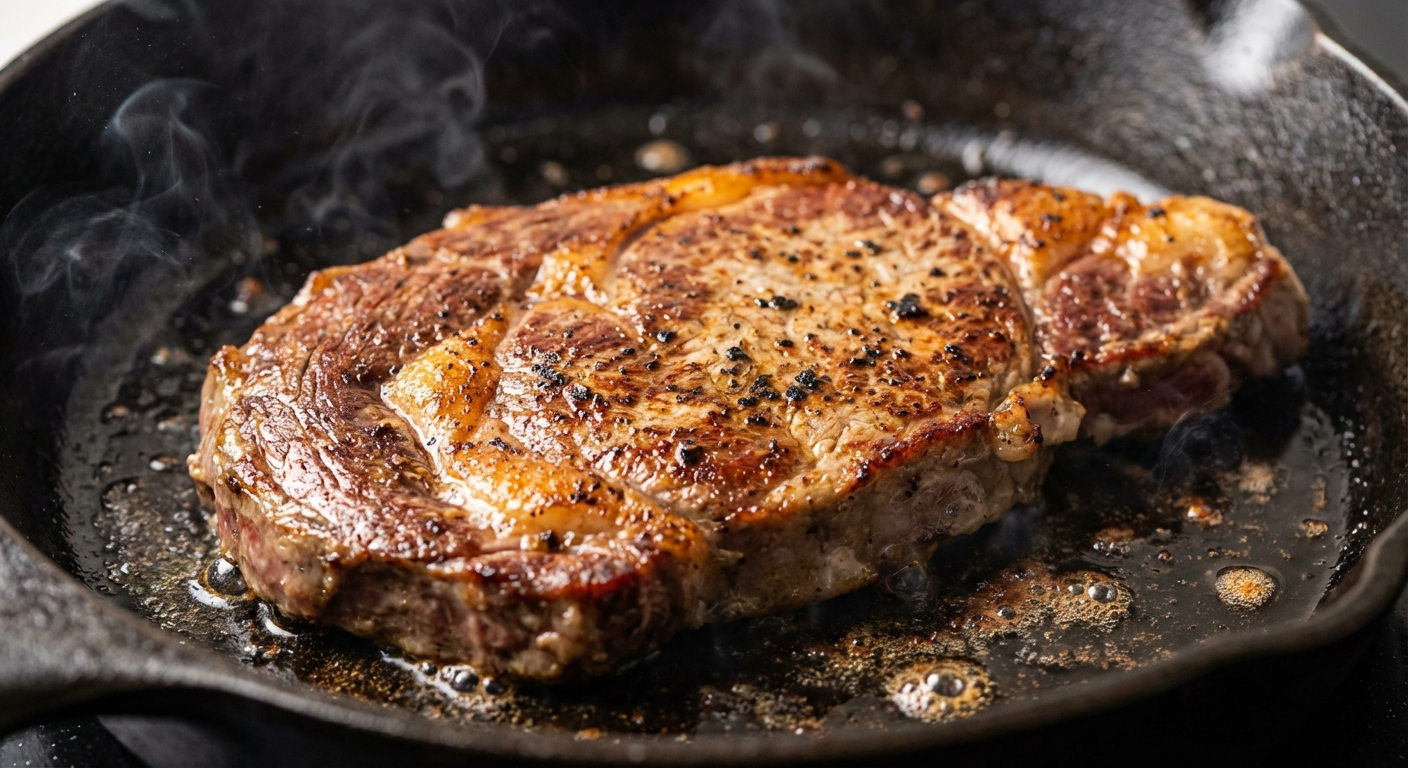
The Maillard Reaction: Why Your Steak Browns (And How to Maximize It)
The Maillard reaction is responsible for the complex, savory flavors in a perfectly seared steak. Here's the organic chemistry — explained without a textbook.
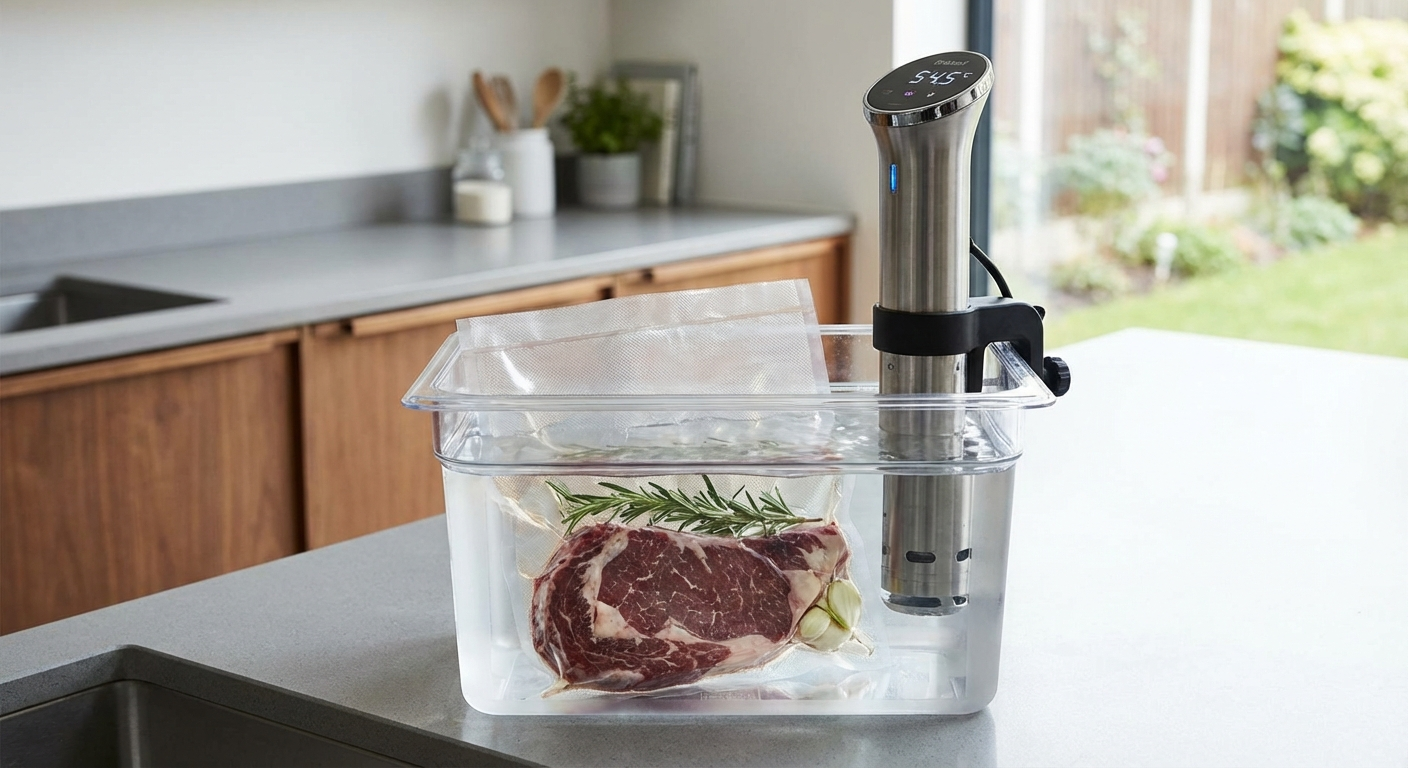
Sous Vide Steak: Precision Cooking From Lab to Kitchen
Sous vide gives you laboratory-level temperature control in your kitchen. Here's how it works, what temperatures to use, and how to get a proper crust afterward.
About Dr. Claire Whitfield
Food scientist with a PhD in meat science from Texas A&M. Spent 10 years in USDA research labs studying heat transfer in protein cooking. Now translating that research into guides that help you cook better steak.
Read My StoryAll Expert Guides
The Reverse Sear Method: A Complete Scientific Guide
The reverse sear produces the most evenly cooked steak possible. Here's the complete science behind the method — thermal gradients, timing, and exactly how to execute it.
Steak Doneness Temperatures: The Definitive Reference
Forget vague guidelines. Here are the exact internal temperatures for every doneness level, with the science of what happens to your steak at each degree.
The Maillard Reaction: Why Your Steak Browns (And How to Maximize It)
The Maillard reaction is responsible for the complex, savory flavors in a perfectly seared steak. Here's the organic chemistry — explained without a textbook.
Sous Vide Steak: Precision Cooking From Lab to Kitchen
Sous vide gives you laboratory-level temperature control in your kitchen. Here's how it works, what temperatures to use, and how to get a proper crust afterward.
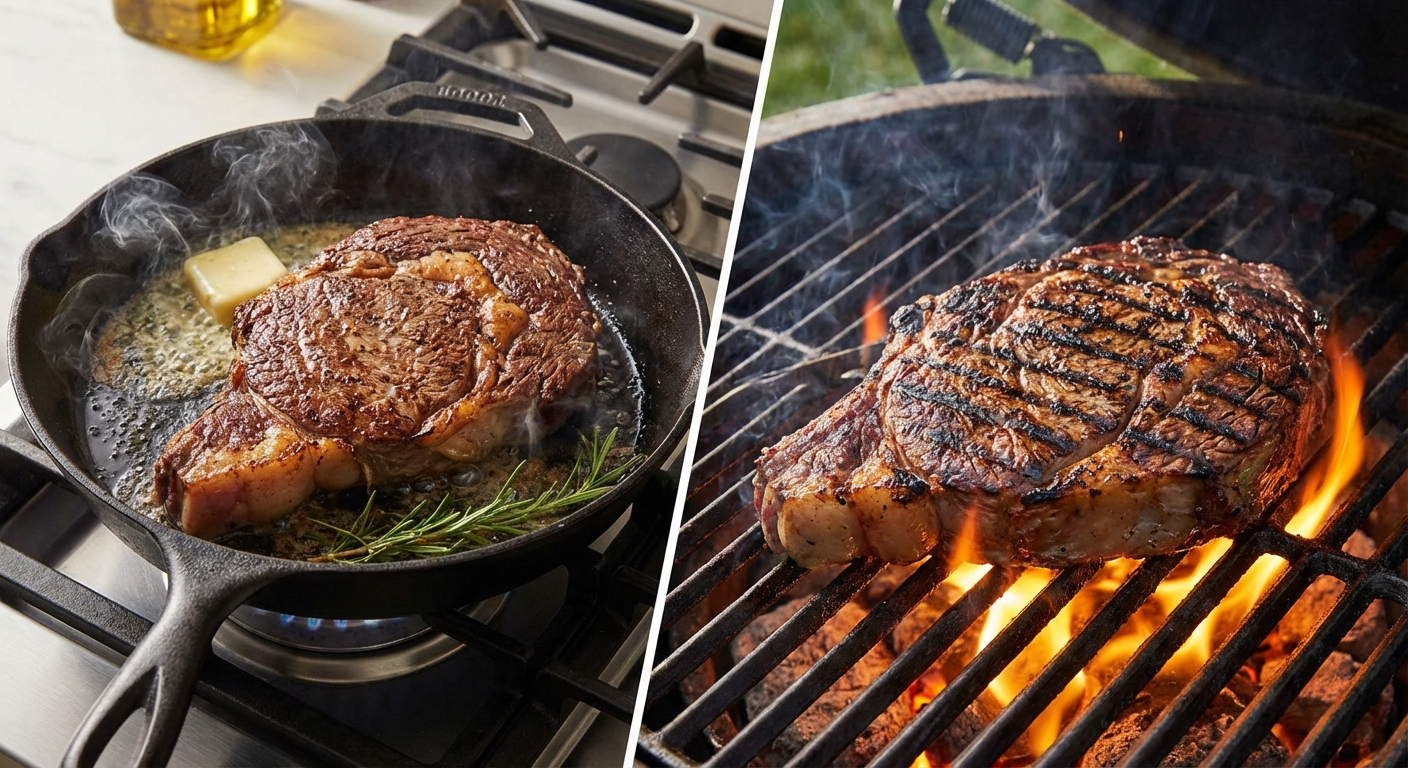
Cast Iron vs Grill: Heat Transfer Science for Perfect Sear
Cast iron and grills transfer heat to your steak through fundamentally different physics. Understanding conduction vs. radiation changes how you cook.
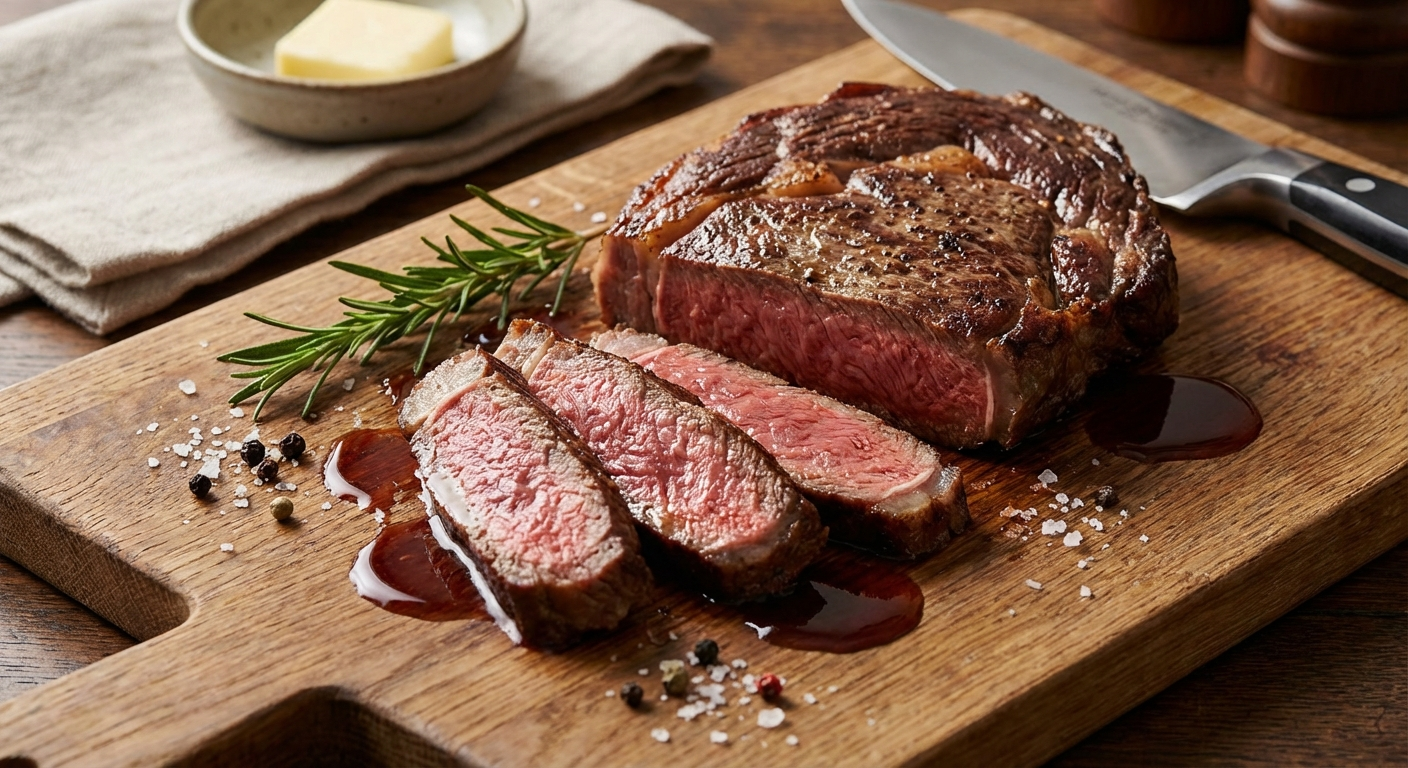
Resting Meat: The Physics of Juice Redistribution
Cutting a steak straight off the heat floods the plate with juice. Resting for 5–10 minutes keeps that moisture in the meat. Here's the physics of why.
Grilling Science Glossary
30 terms defined by a food scientist — from Maillard reaction to thermal equilibrium.
From the Blog
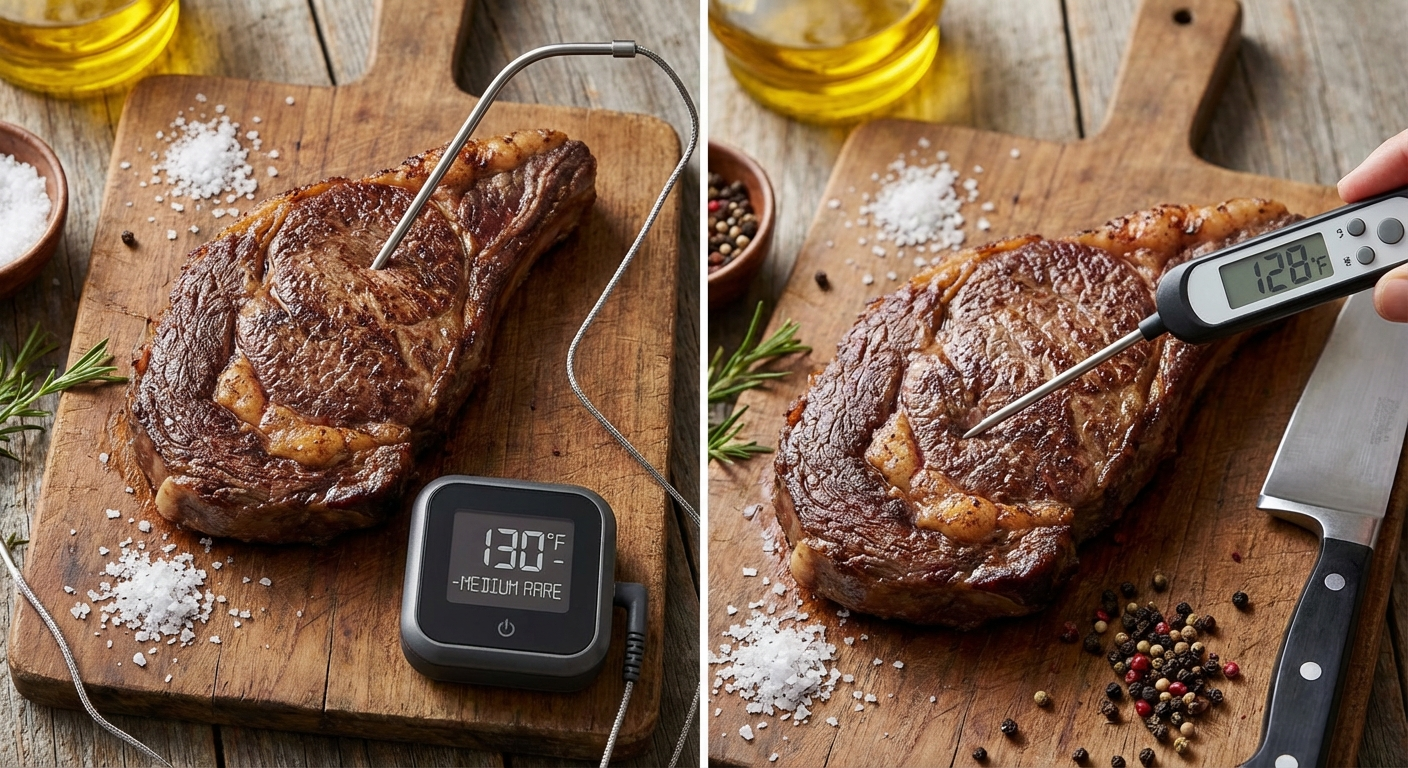
Why I Stopped Using Instant-Read Thermometers (And What I Use Instead)
Instant-read thermometers are great — but they require you to open the oven, poke the steak, and react. Leave-in probes let the data come to you.
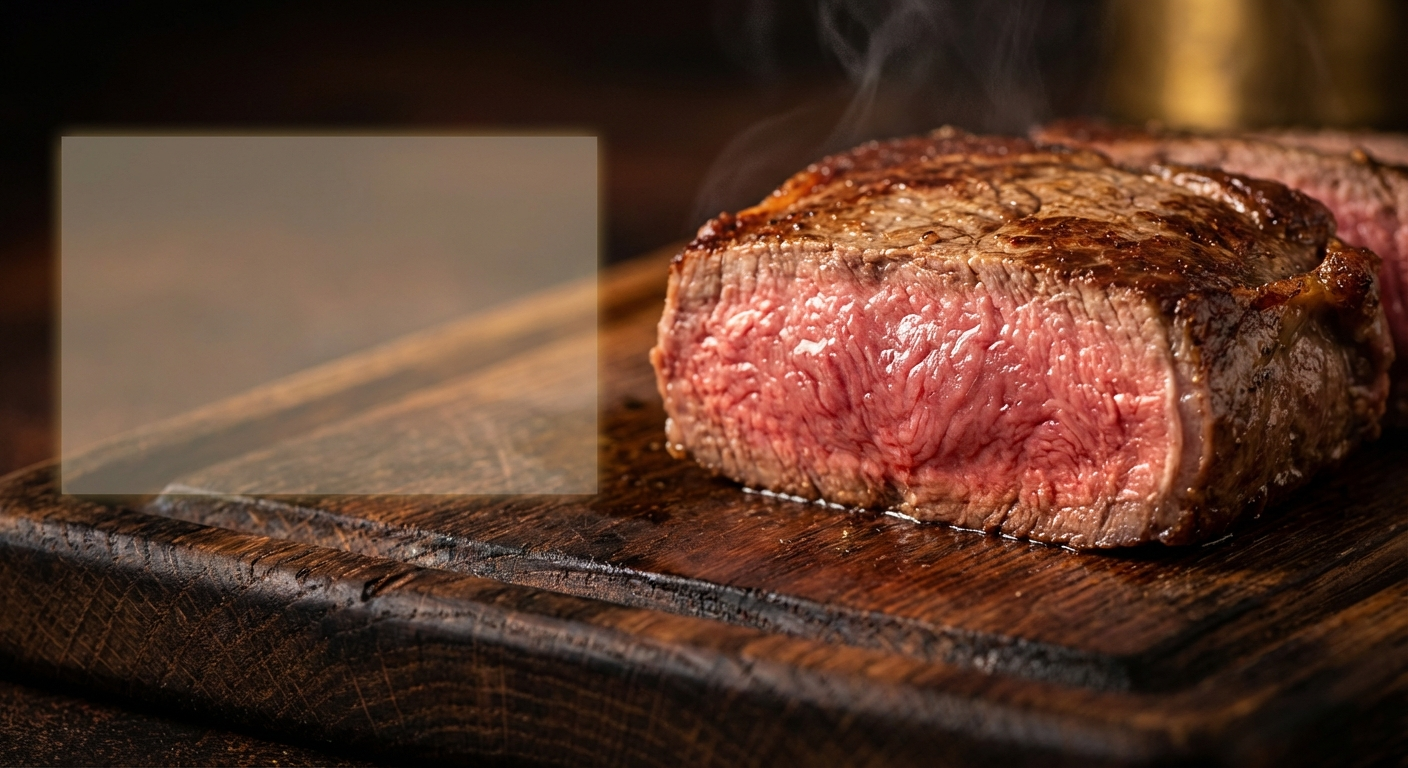
The 130°F Myth: Why Medium-Rare Isn't One Temperature
Every recipe says "cook to 130°F for medium-rare" — but 129°F and 134°F produce noticeably different steaks. Here's what's happening at each degree.
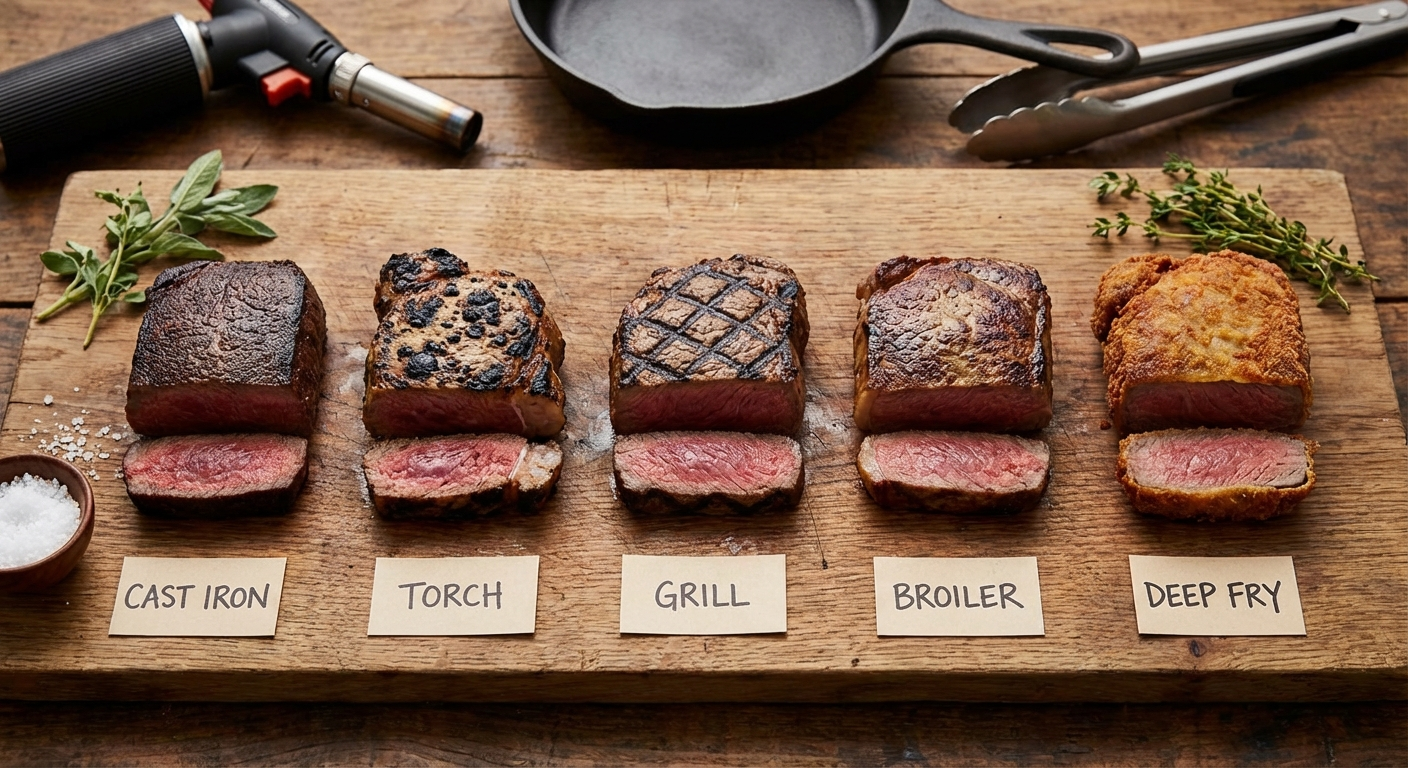
I Tested 5 Searing Methods — Here's What the Data Shows
Five searing methods, identical steaks, measured results. Cast iron, chimney sear, torch, infrared, and deep-frying — here's what performed best.