Grilling Science Guides
In-depth, science-backed articles on grilling techniques — from reverse sear to direct heat, Maillard chemistry, and thermal physics.
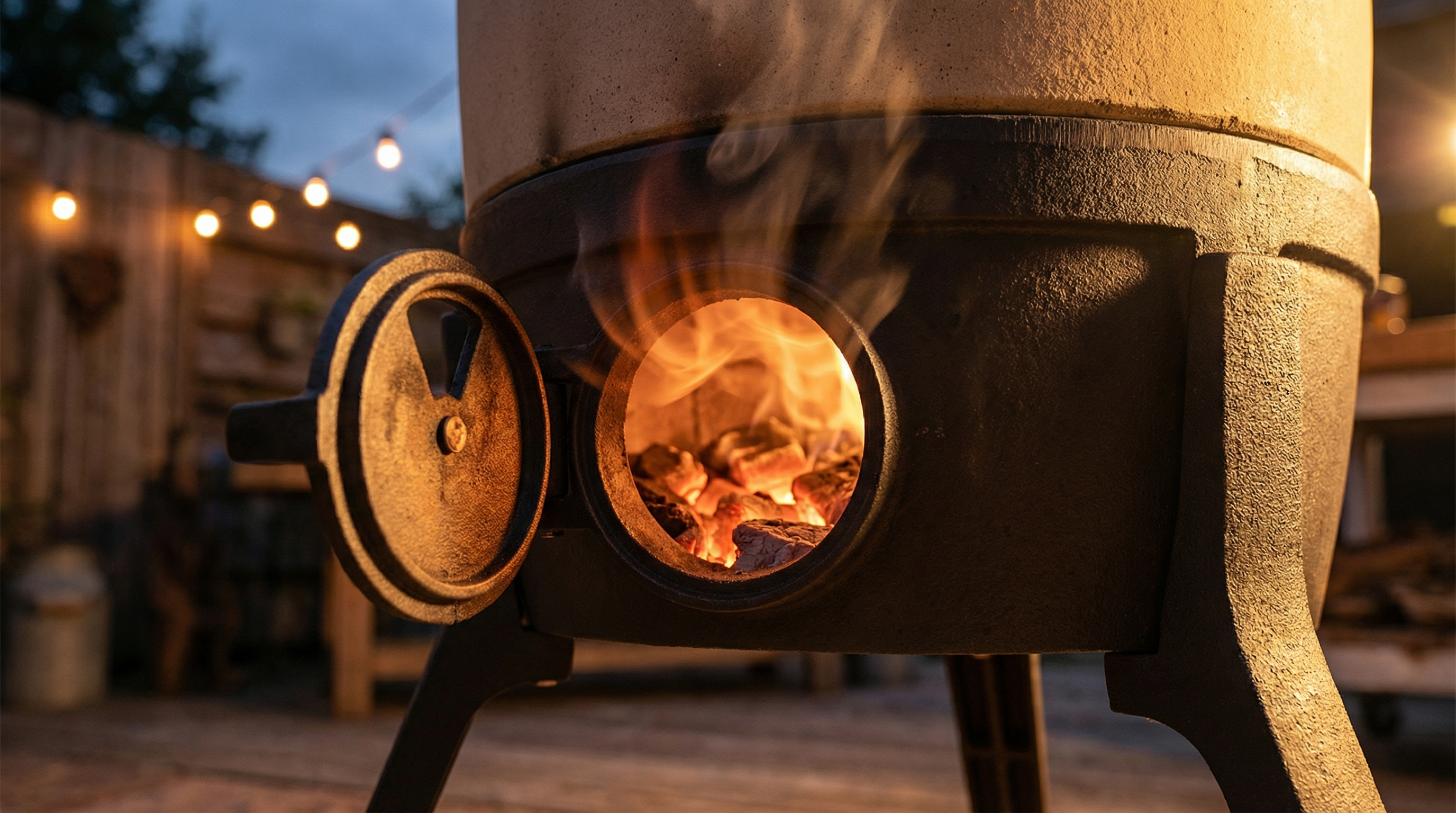
Grill Vent Management: The Science of Airflow and Temperature Control
Oxygen controls fire. Fire controls temperature. Vents control oxygen. Master your vents and you master your grill.
Read Guide →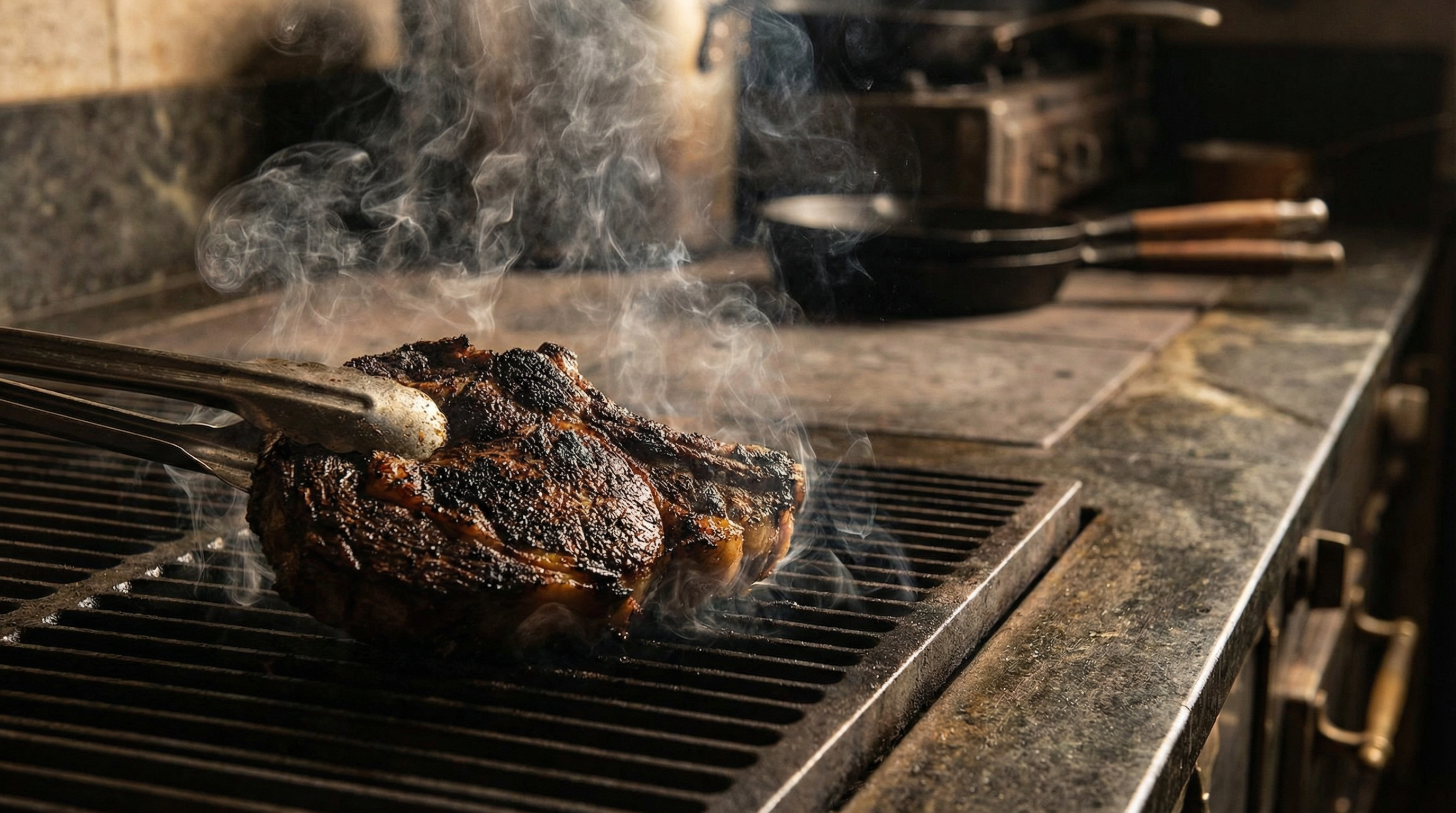
How Often to Flip Steak: The Science of Multiple Flips vs Single Flip
The traditional advice to flip your steak only once is wrong. Science shows that flipping every 30 seconds produces better crust, more even doneness, and 30% faster cooking through improved heat transfer.
Read Guide →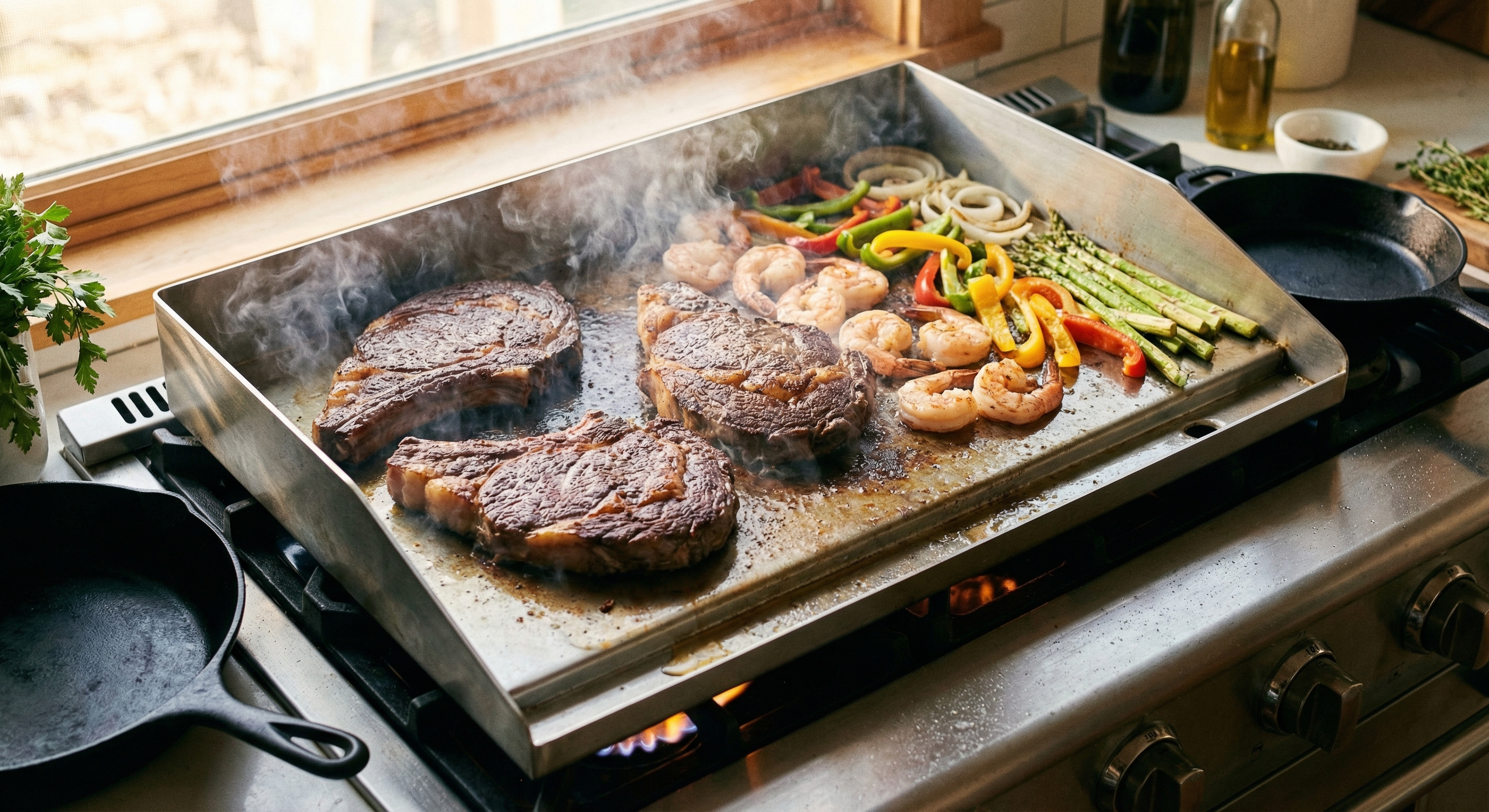
The Science of Plancha Grilling: How High Heat and Flat Surfaces Create Superior Crust
Plancha grilling delivers more surface contact, higher heat, and better crust than traditional grates. Here is the science behind why flat-top cooking produces superior results.
Read Guide →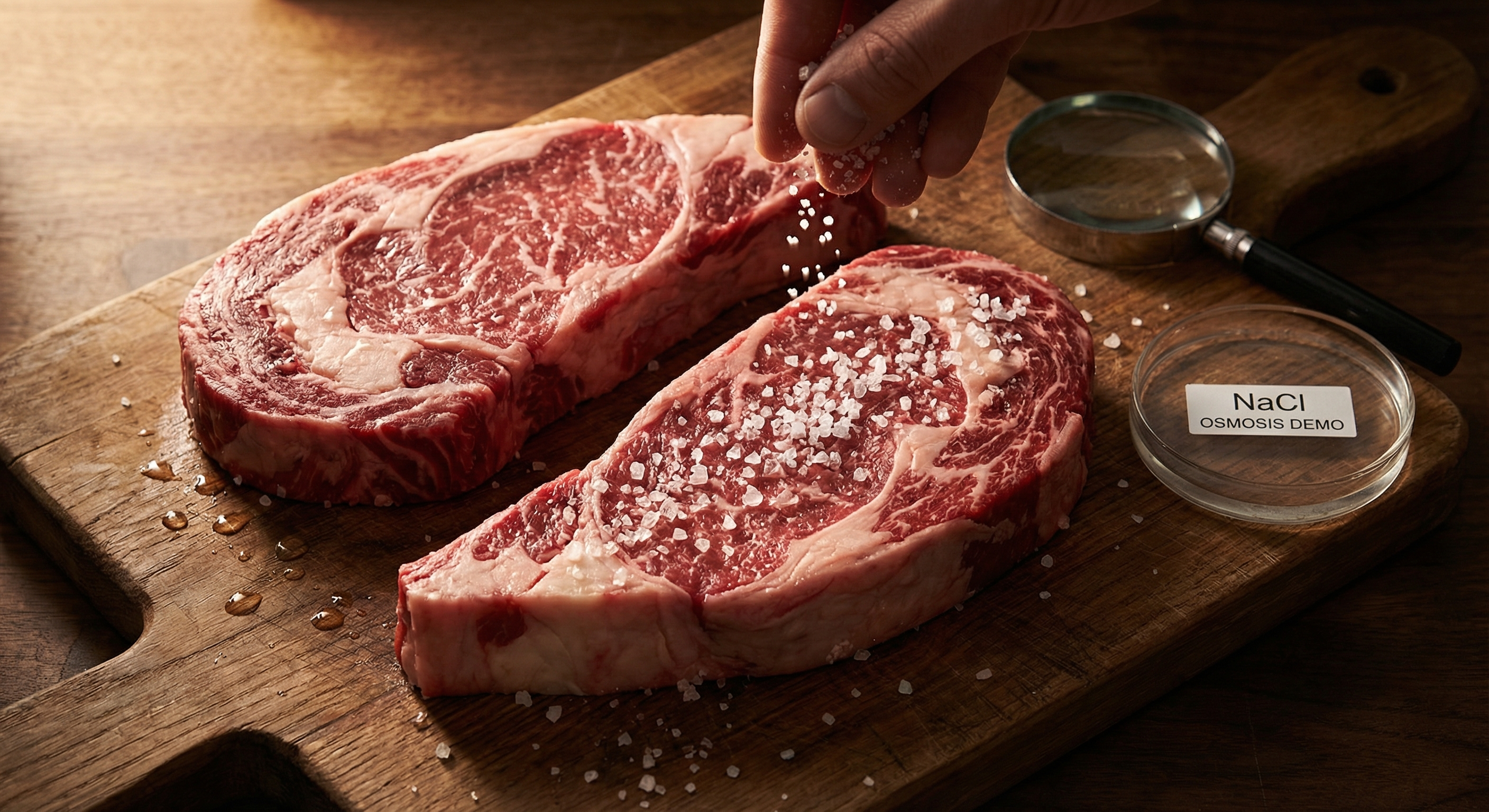
When to Salt Steak: The Science of Timing, Osmosis, and Flavor Development
Salt your steak 40+ minutes before cooking, or salt it right before it hits the pan. Never salt it 3-40 minutes before. The difference is osmosis, diffusion, and water activity — and understanding the science turns every steak into a perfectly seasoned, deeply flavored piece of meat.
Read Guide →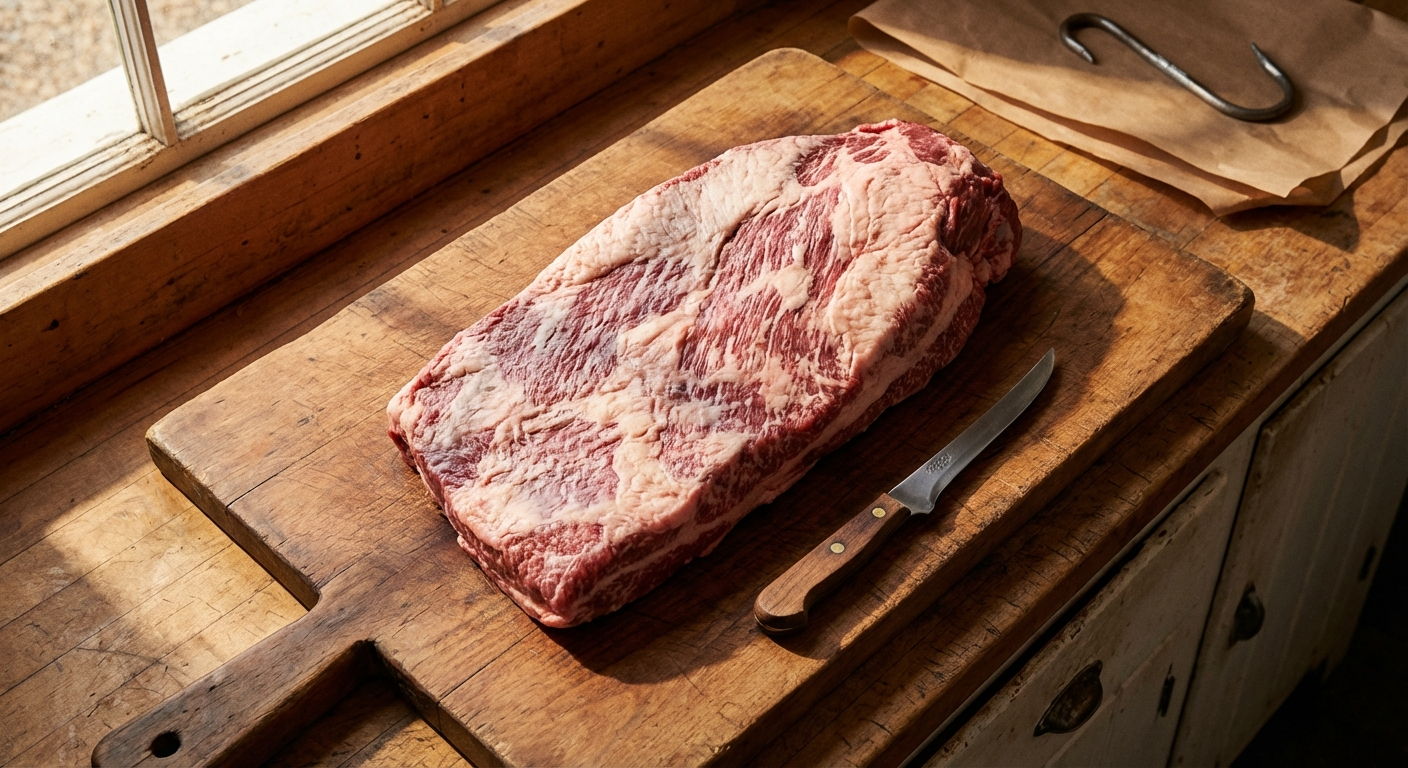
How to Trim a Brisket: The Science of Fat, Airflow, and Even Cooking
Trimming a brisket is not about removing fat — it is about controlling heat transfer, airflow, and rendering. Every cut you make with the knife determines how the smoker treats your meat for the next 12 hours.
Read Guide →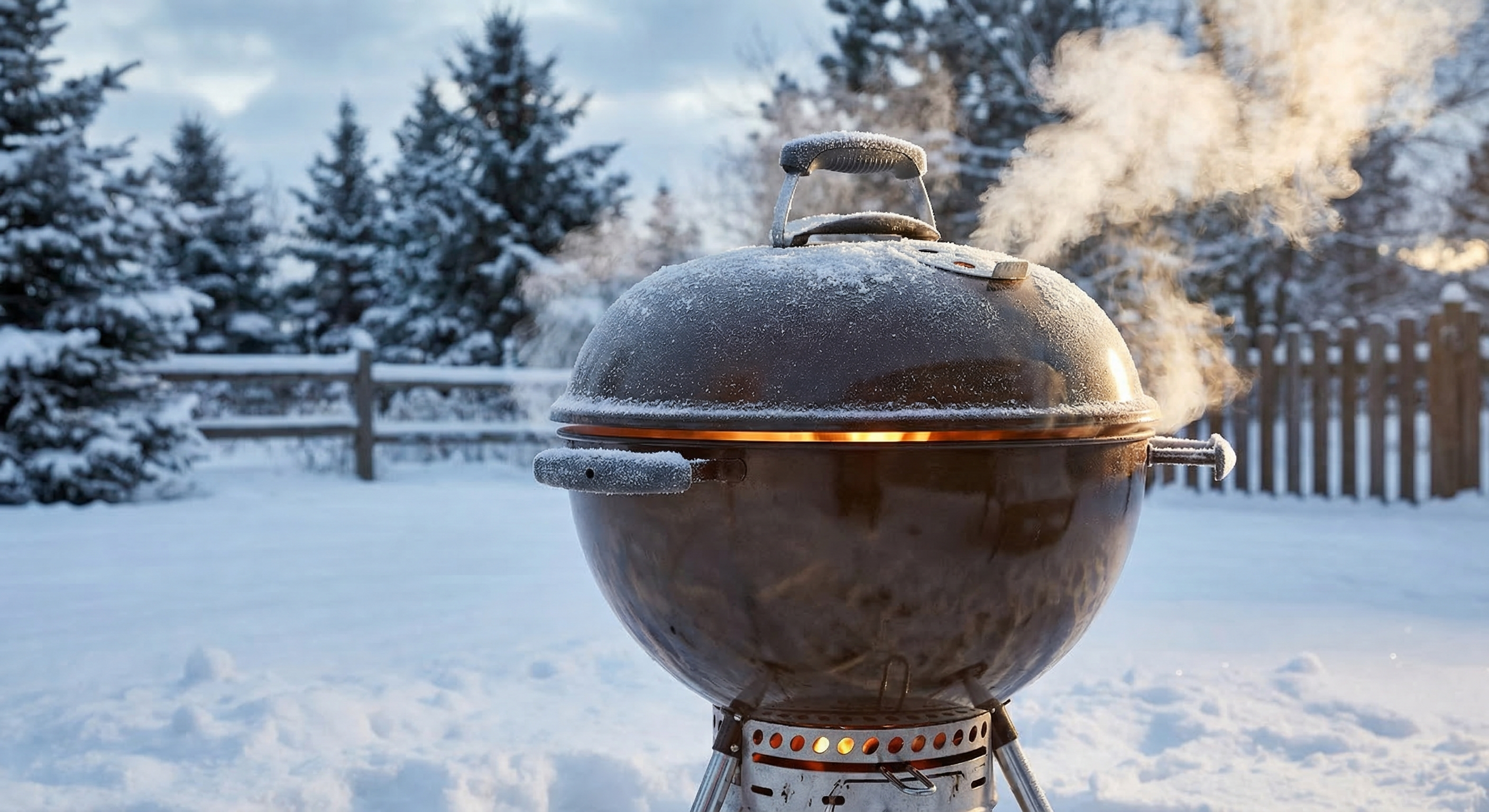
Cold Weather Grilling: The Science of Why Your Grill Behaves Differently in Winter
Cold air changes everything about how your grill performs. Here is the physics behind winter grilling and exactly how to compensate for ambient temperature drops.
Read Guide →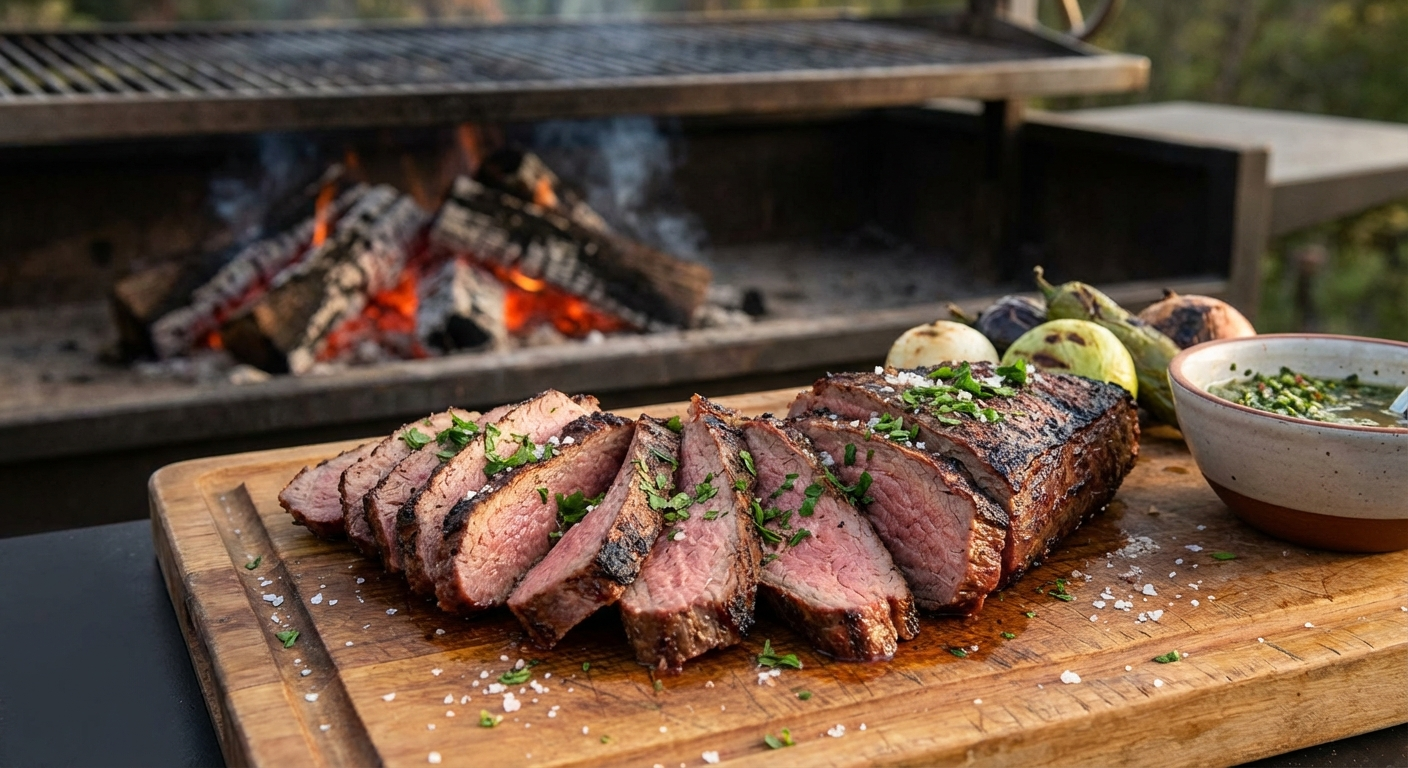
The Science of Grilling Tri-Tip: Why This Cut Demands Two-Zone Mastery
Tri-tip is one of the most misunderstood cuts on the grill. Dr. Claire Whitfield explains the muscle fiber science, grain direction challenges, and two-zone thermodynamics that make this triangular roast a masterclass in applied grilling physics.
Read Guide →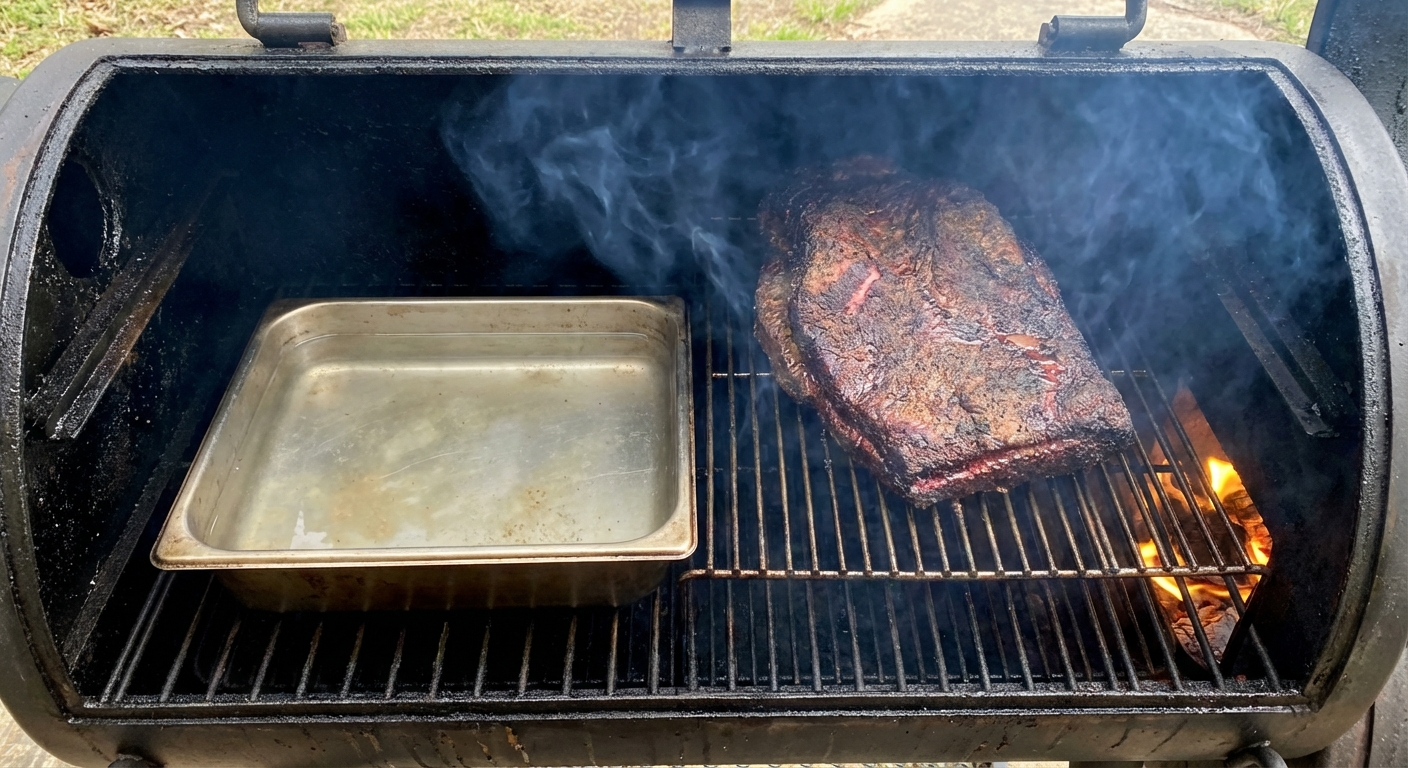
Water Pan in a Smoker: The Science of Humidity, Heat Regulation & Better BBQ
A water pan does far more than add moisture. It stabilizes temperature, improves smoke adhesion, and changes how bark forms. Here is the thermodynamics behind every drop.
Read Guide →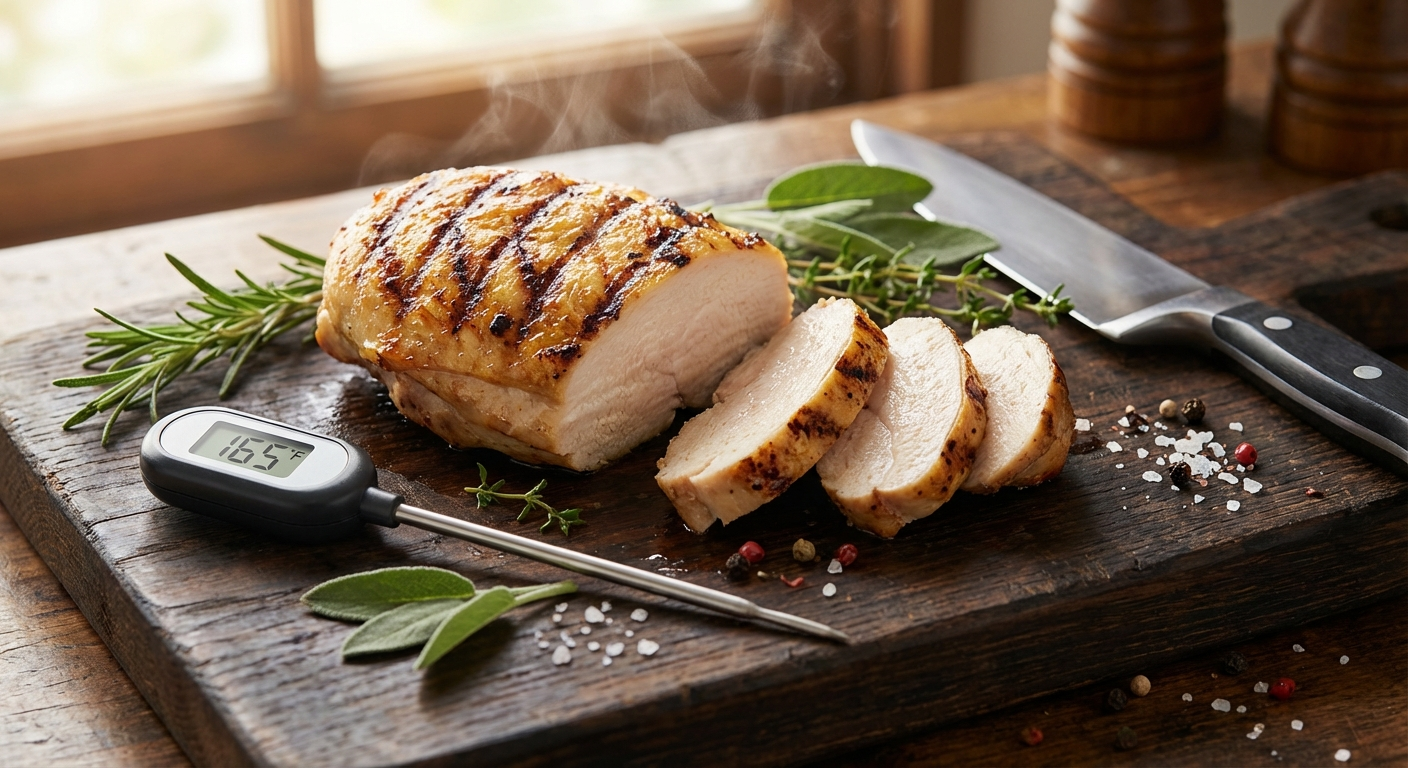
The Science of Perfect Grilled Chicken Breast: Why Yours Keeps Drying Out
Chicken breast is the most overcooked protein in America. The science of why it dries out — and exactly how to prevent it — comes down to protein denaturation, moisture retention, and thermal management.
Read Guide →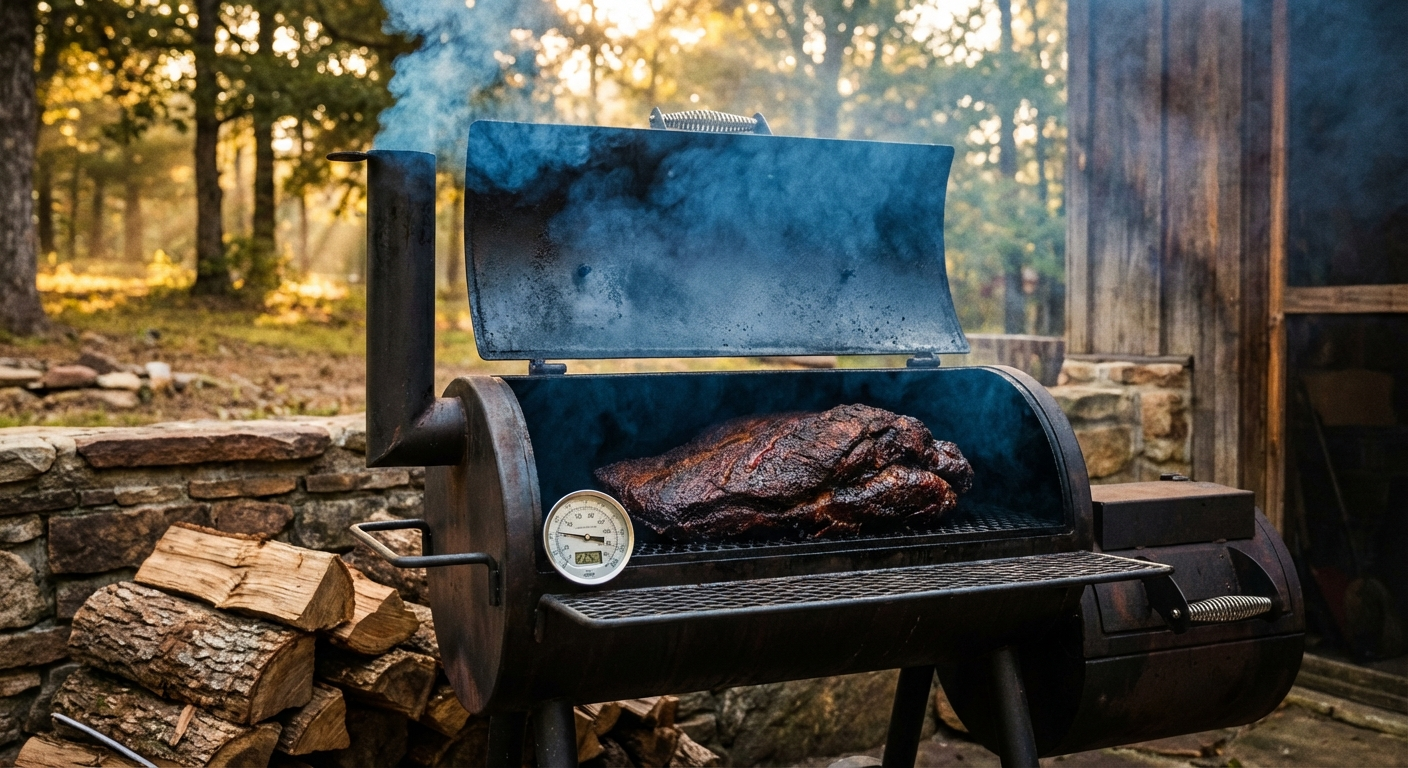
Low and Slow vs Hot and Fast BBQ: The Science of When Each Method Wins
Two schools of barbecue. One cooks brisket at 225°F for 14 hours. The other cranks to 325°F and finishes in 6. Both produce championship-caliber results — but the physics behind each method are completely different.
Read Guide →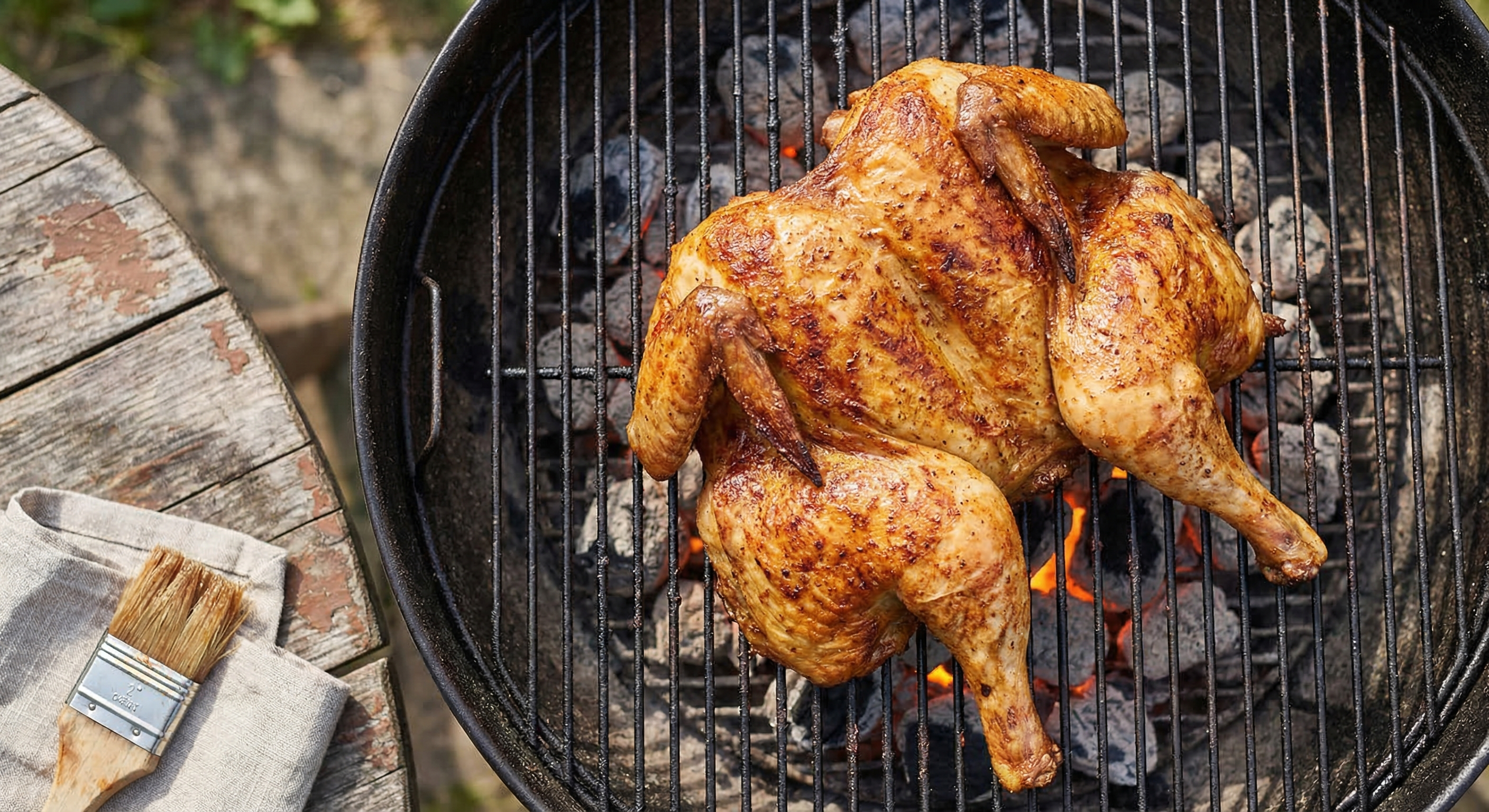
The Science of Spatchcock Chicken on the Grill: Why Flattening Produces Better Results
Removing the backbone and flattening a whole chicken isn’t just a shortcut — it’s an engineering solution to poultry’s biggest thermal problem. Here’s the science behind why spatchcocking delivers crispier skin and juicier meat every time.
Read Guide →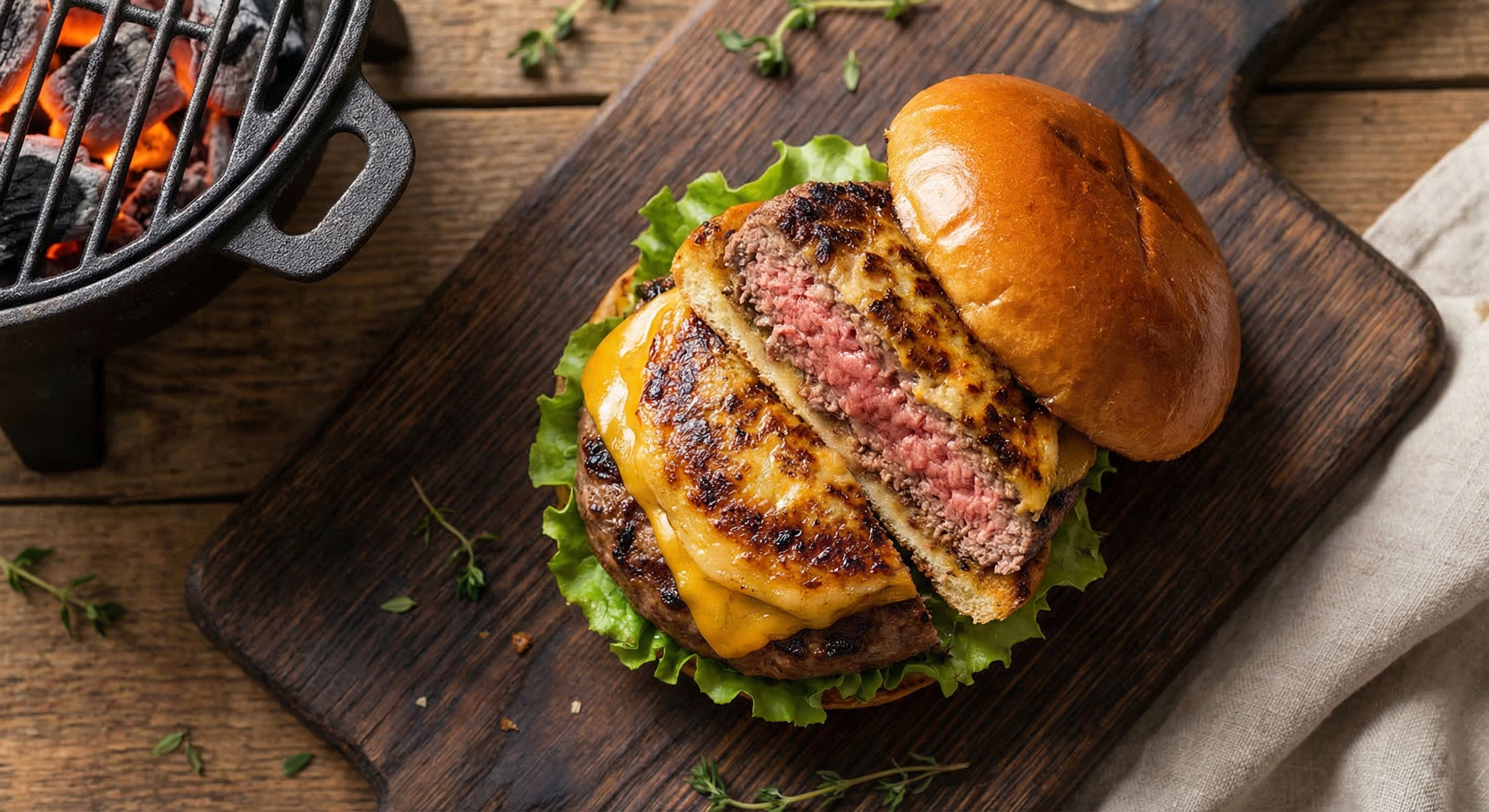
The Science of the Perfect Grilled Burger: Fat Ratio, Temperature, and Technique
Why do some burgers come off the grill juicy and flavorful while others turn into dry hockey pucks? The answer is thermodynamics, fat chemistry, and a few counterintuitive techniques backed by science.
Read Guide →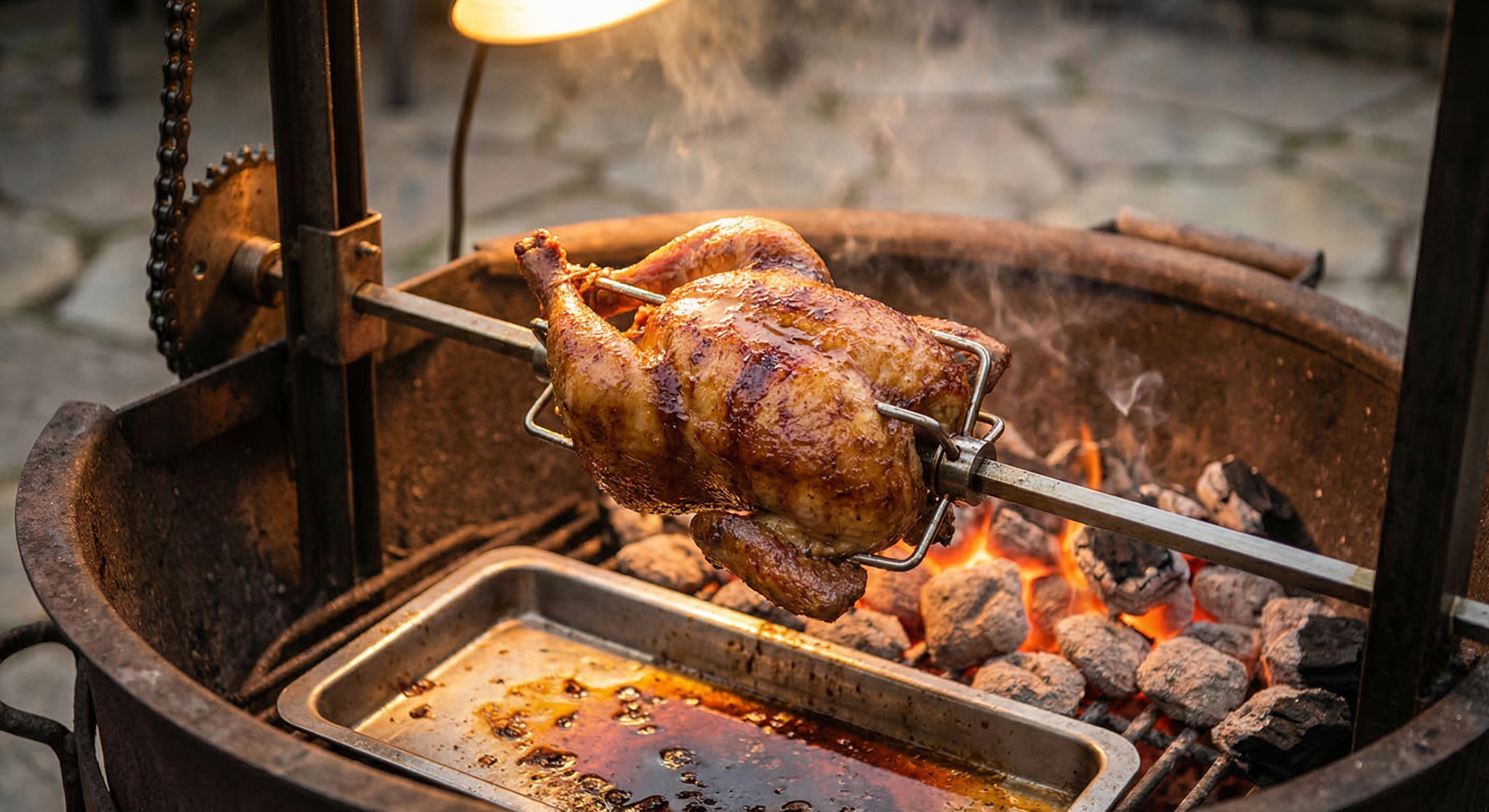
The Science of Rotisserie Grilling: Why Rotation Produces Superior Results
Rotisserie grilling isn't just a showpiece — it's a masterclass in heat transfer physics. Constant rotation creates self-basting, eliminates hot spots, and produces remarkably even cooking that static grilling can't match.
Read Guide →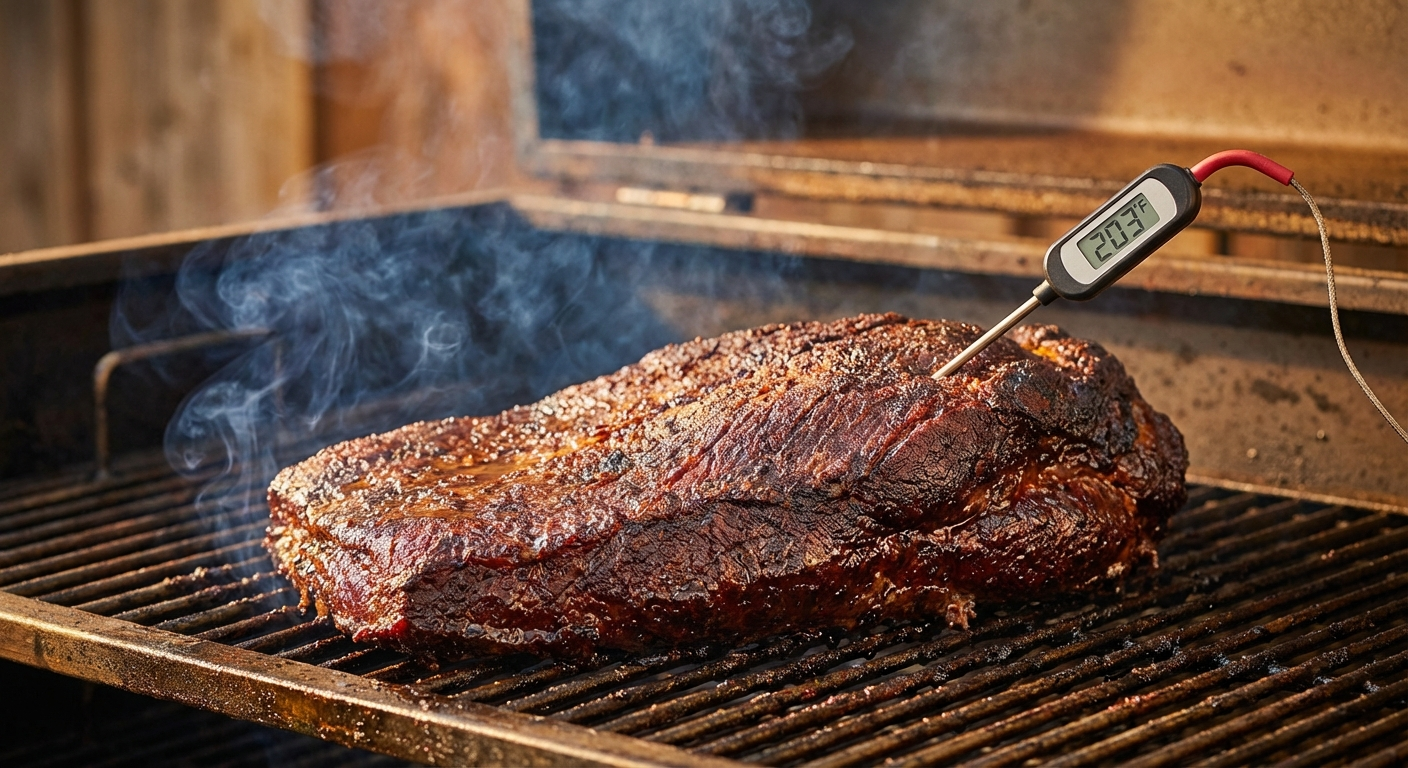
Brisket Internal Temperature Guide: The Science of When Brisket Is Actually Done
Brisket doneness isn't a single number — it's a temperature window governed by collagen-to-gelatin conversion. Here's the complete science of when brisket is actually done.
Read Guide →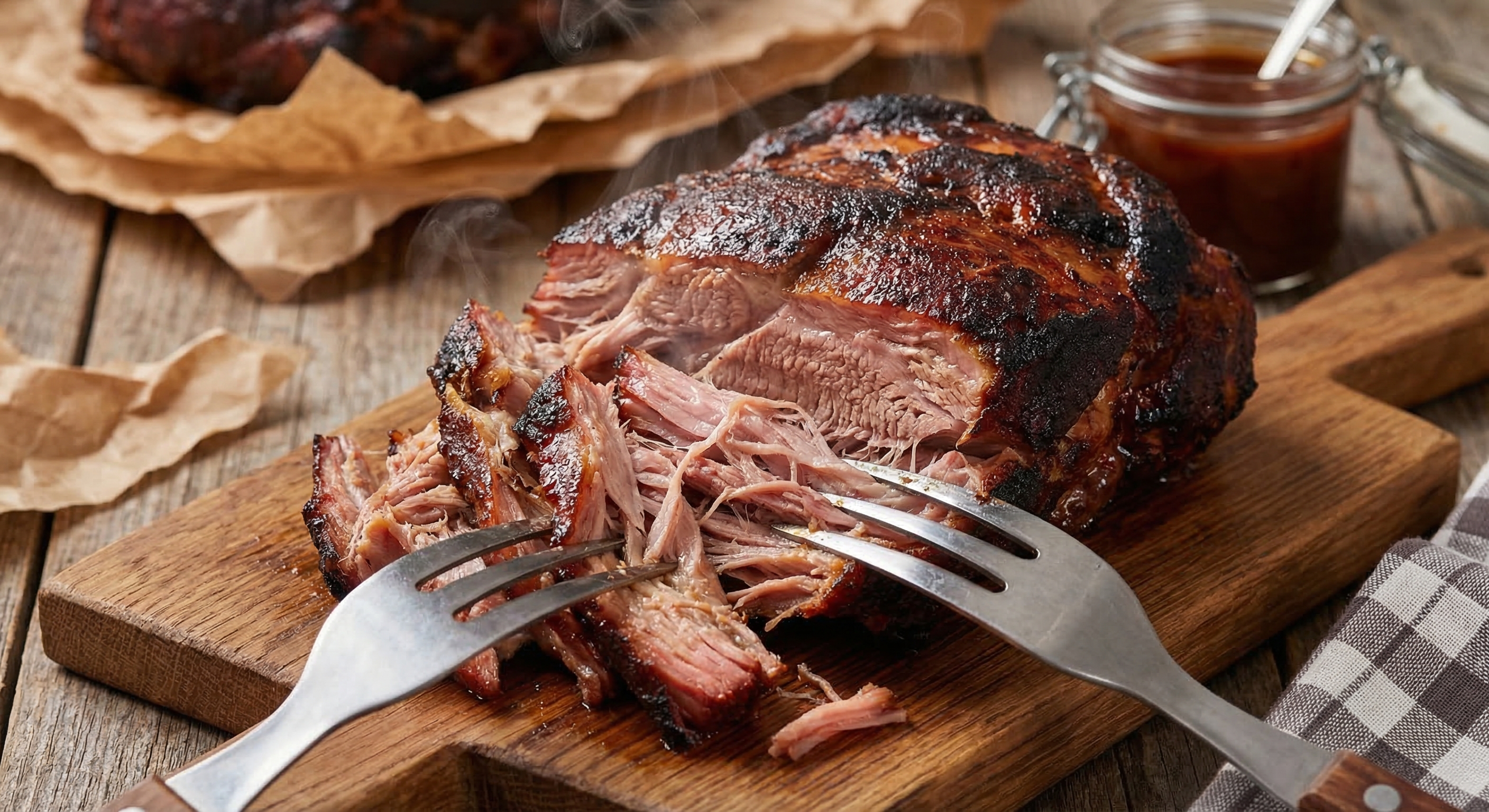
Pulled Pork Temperature Guide: The Science of When Pork Butt Is Actually Done
The difference between stringy pork and melt-in-your-mouth pulled pork comes down to about 8 degrees. Understanding the collagen-to-gelatin conversion window explains why temperature — not time — is the only metric that matters.
Read Guide →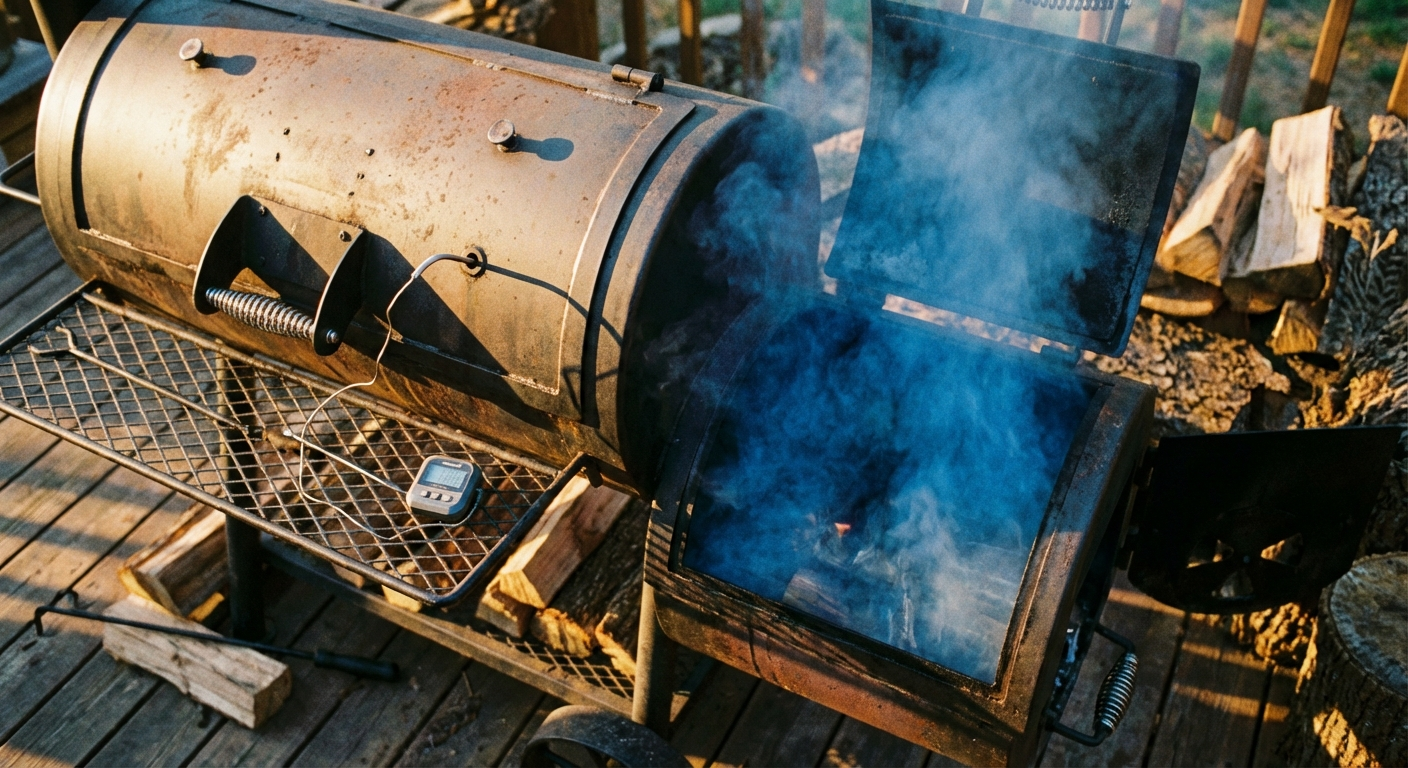
Offset Smoker Temperature Control: The Science of Fire, Airflow, and Consistency
Offset smokers are the most rewarding — and most demanding — way to cook barbecue. Temperature control comes down to three variables: fuel, oxygen, and exhaust. Master the physics and you will hold rock-steady temps for 12+ hours.
Read Guide →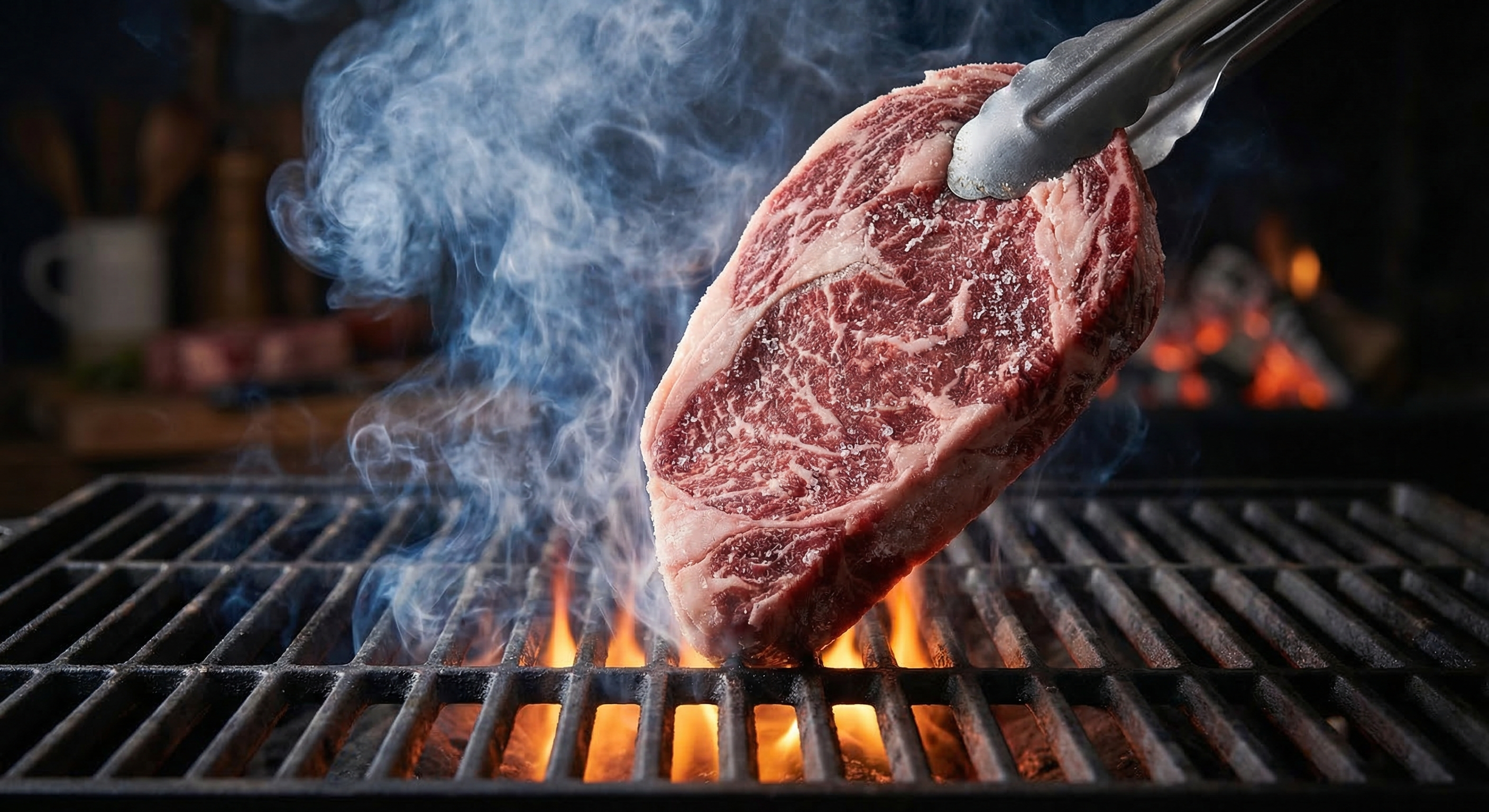
Grilling Frozen Steak: The Science of Why It Actually Works Better
Everything you've been told about thawing steak first might be wrong. The science of heat transfer explains why frozen steaks can outperform thawed ones on a hot grill.
Read Guide →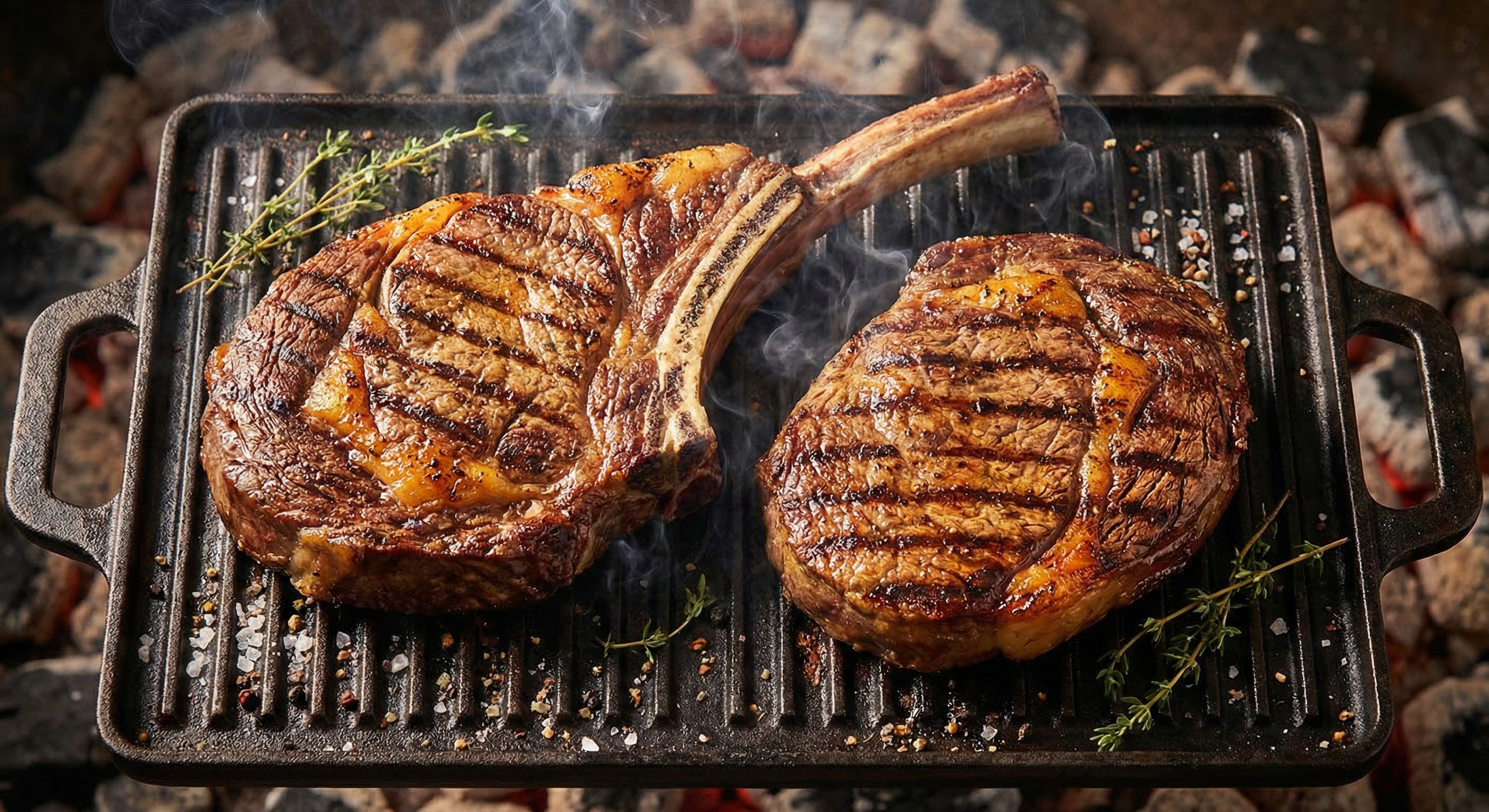
Bone-In vs Boneless Steak: The Grilling Science That Settles the Debate
The bone-in vs boneless debate has divided grillers for decades. Here's what the science actually says — and it's more nuanced than you think.
Read Guide →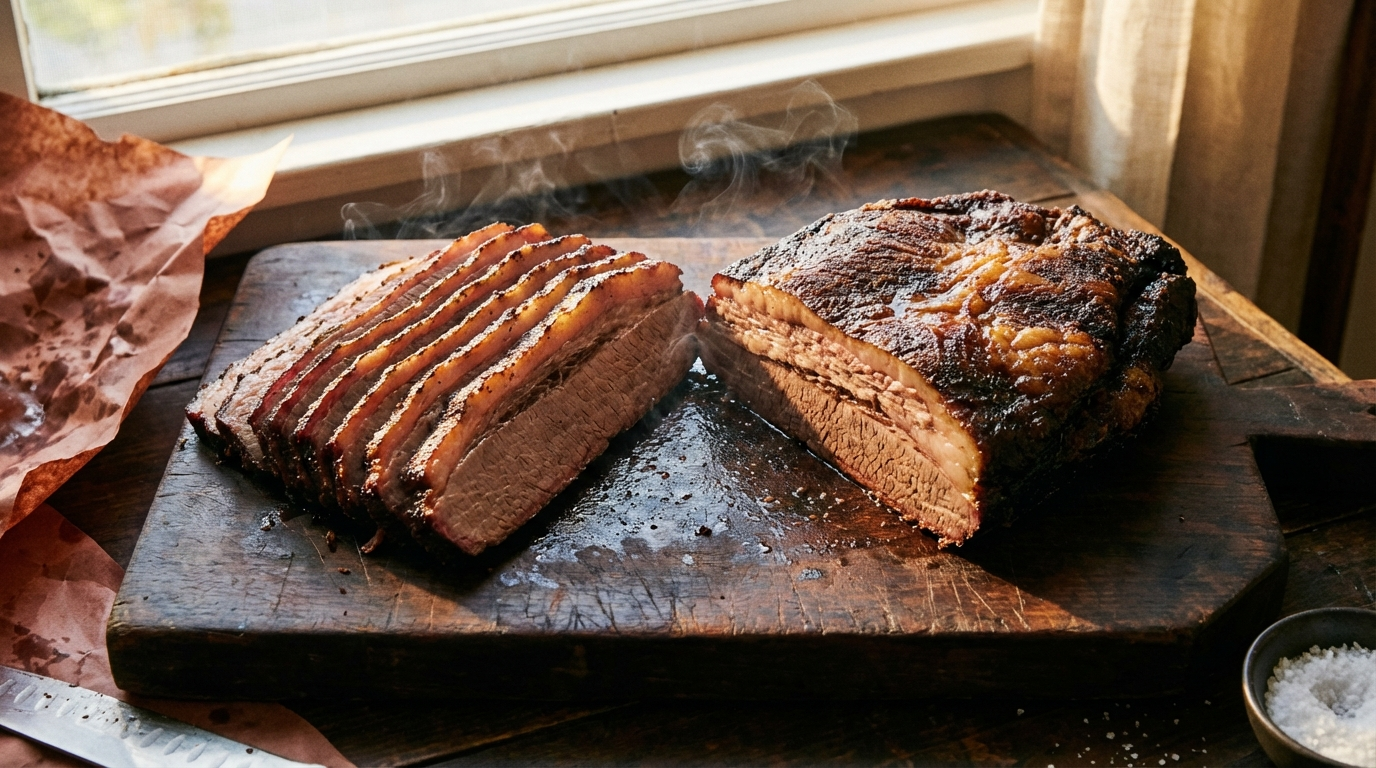
Brisket Flat vs Point: Anatomy, Flavor Differences, and How to Cook Each Cut
A whole packer brisket contains two distinct muscles with radically different properties. Understanding the flat and the point — their fiber direction, fat distribution, and collagen content — is the difference between great barbecue and dried-out disappointment.
Read Guide →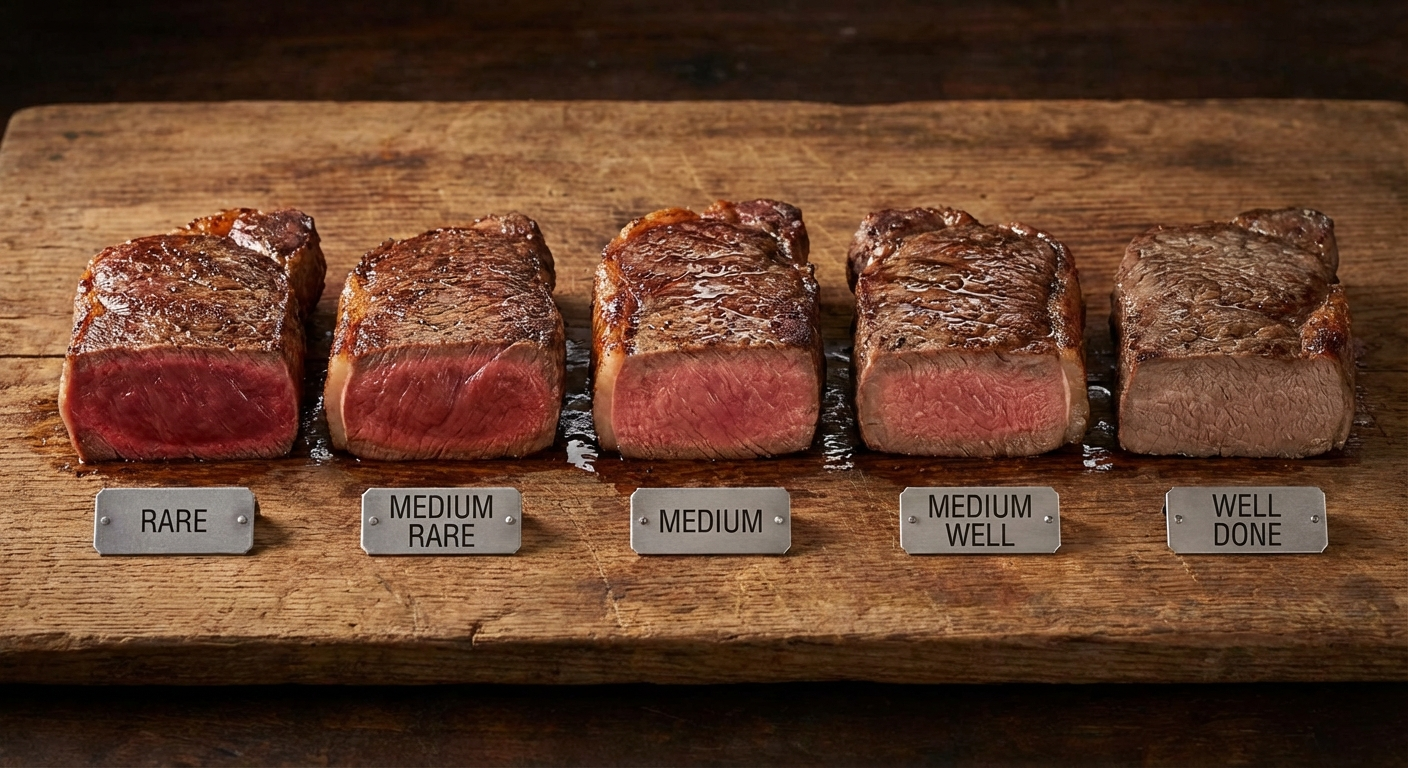
Steak Doneness Temperature Guide: The Science of Every Level from Rare to Well Done
Every degree matters. This science-backed guide covers the exact internal temperatures for every steak doneness level, why each temperature produces a different texture, and how to nail your target every time.
Read Guide →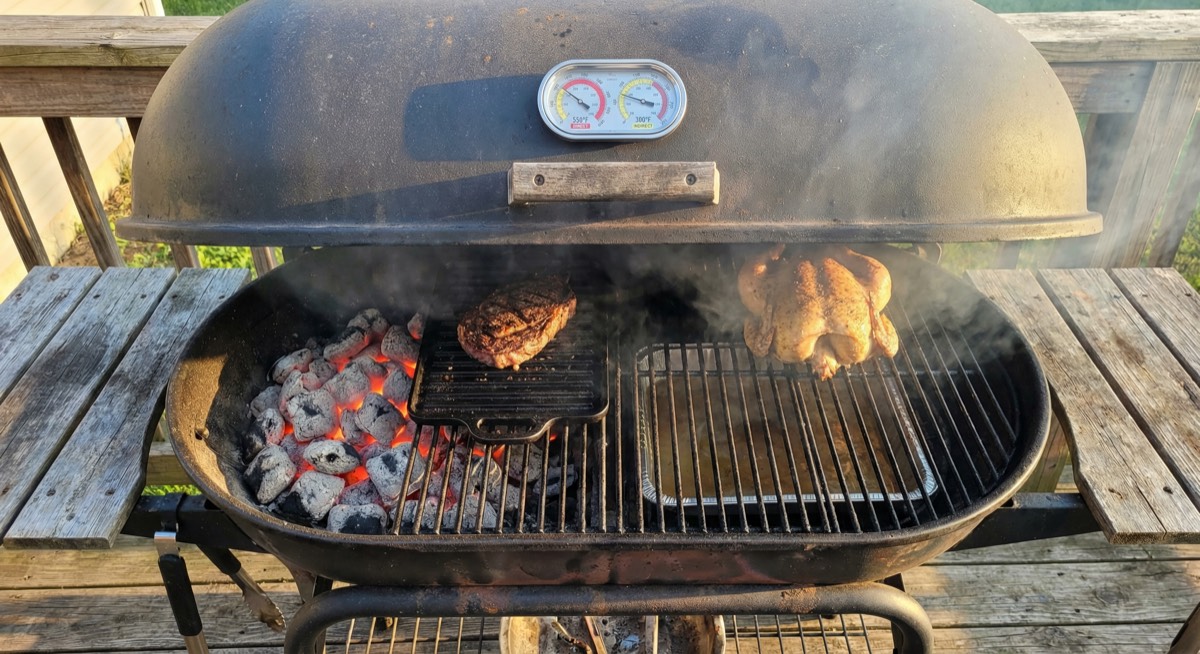
Direct vs Indirect Heat Grilling: The Science of Two-Zone Cooking
Direct heat sears. Indirect heat roasts. Understanding the physics of each — and when to combine them — is the foundation of every great grilling technique.
Read Guide →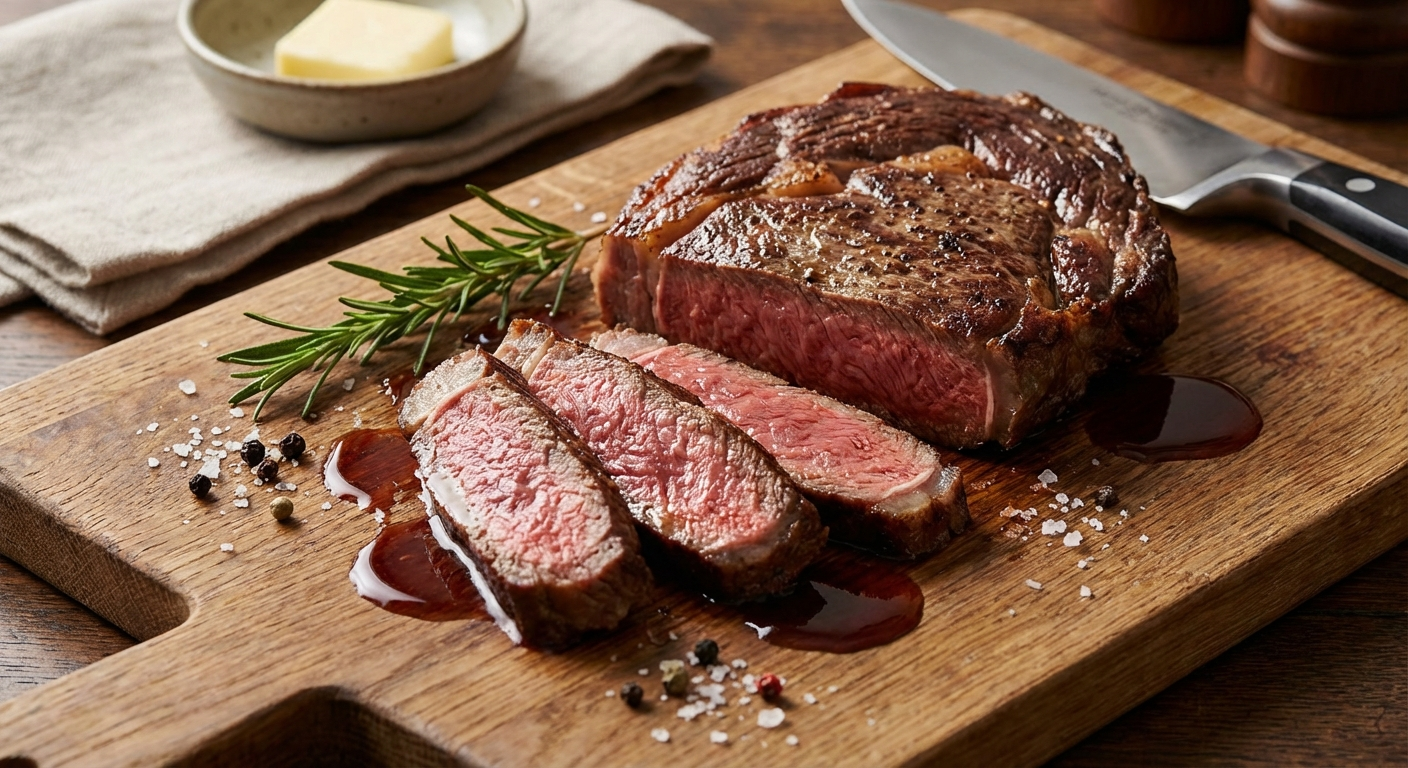
Resting Meat After Cooking: The Science of Why It Makes Every Steak Juicier
Resting meat after cooking is not optional — it is physics. Here is exactly what happens inside the steak during those crucial minutes and how long to rest every cut.
Read Guide →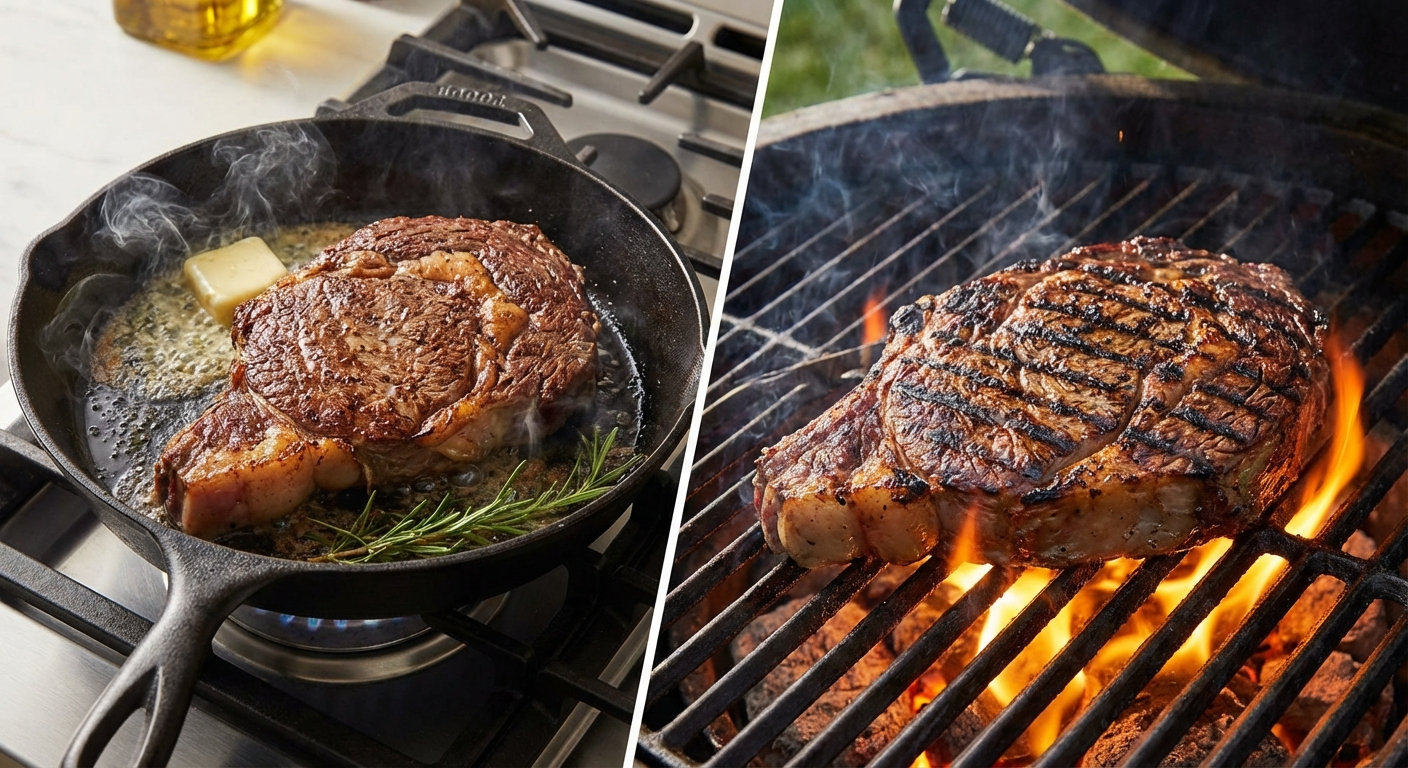
Grill vs Cast Iron for Steak: The Science of Which Method Wins
The grill vs cast iron debate has divided steak lovers for years. The answer depends on physics — specifically, how each method transfers heat and what that means for your crust and interior.
Read Guide →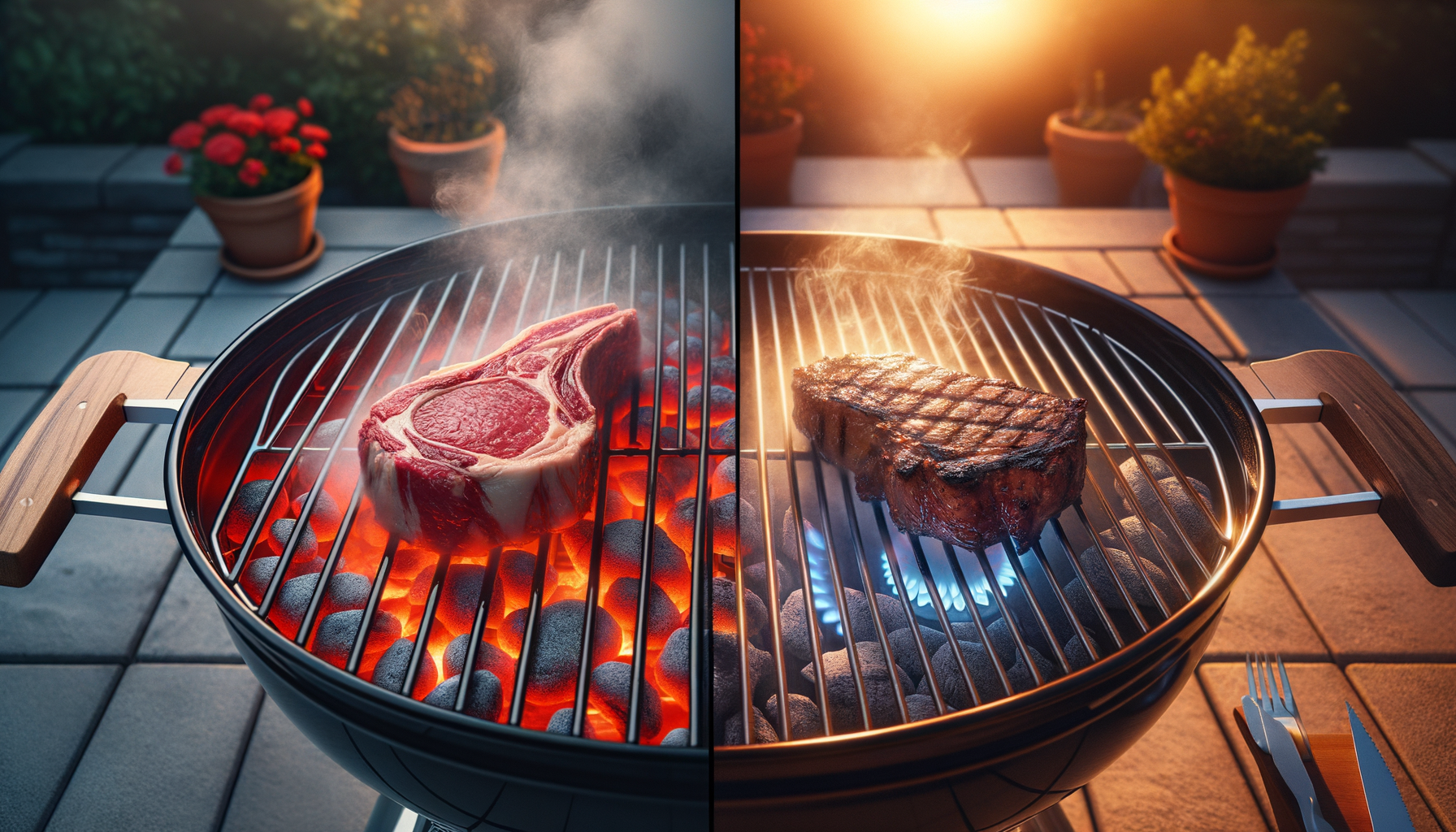
Charcoal vs Gas Grilling: The Science Behind Flavor, Heat, and Performance
Charcoal and gas produce different flavor compounds, radiant heat profiles, and combustion byproducts. Here is the science that explains why they taste different and when each wins.
Read Guide →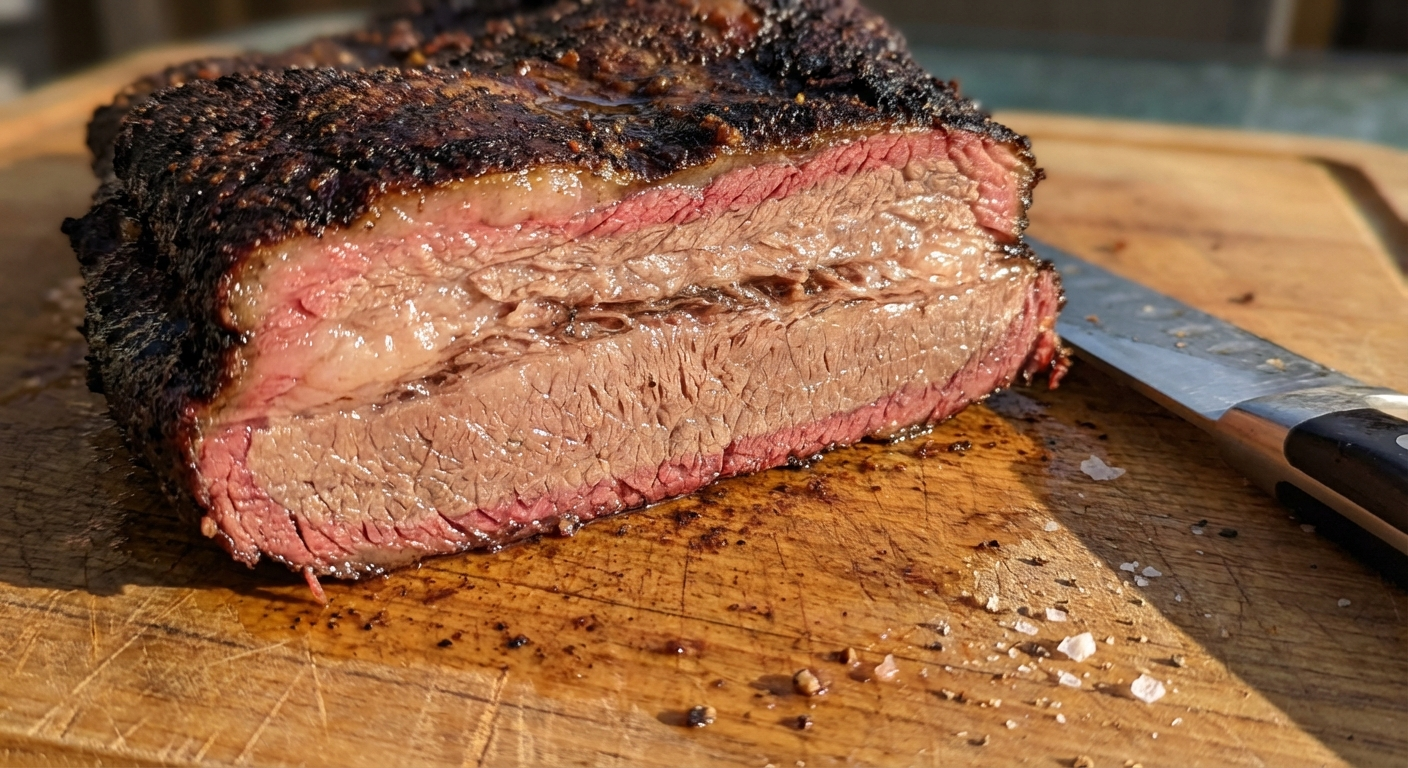
Smoke Ring Science: Why BBQ Meat Turns Pink and How to Get a Better One
The smoke ring is the hallmark of great barbecue — but it is pure chemistry, not magic. Here is the science behind why it forms and how to make it deeper every time.
Read Guide →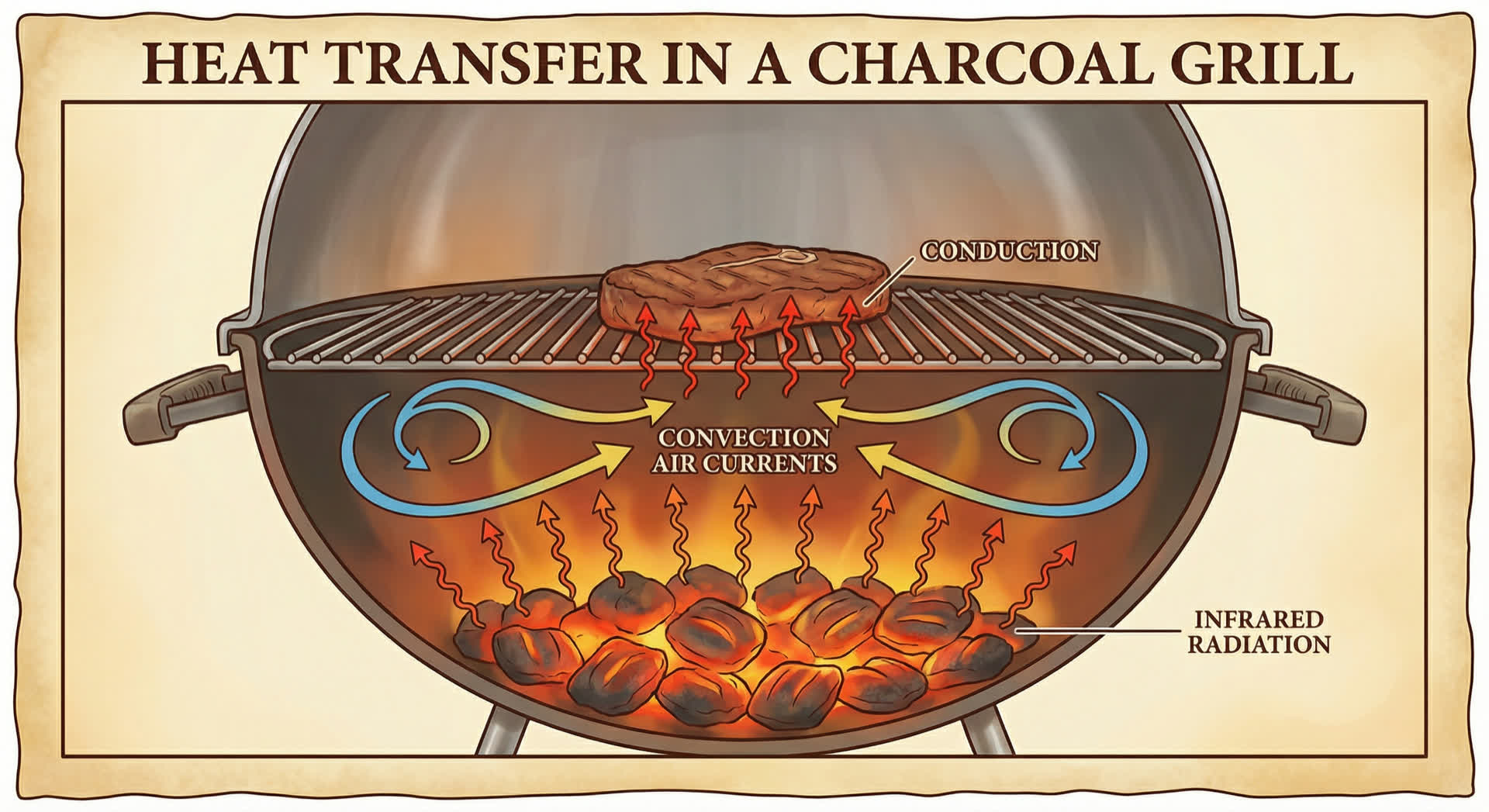
Grilling Heat Transfer Methods Explained: Conduction, Convection & Radiation
Understanding conduction, convection, and radiation is the key to controlling your grill like a scientist.
Read Guide →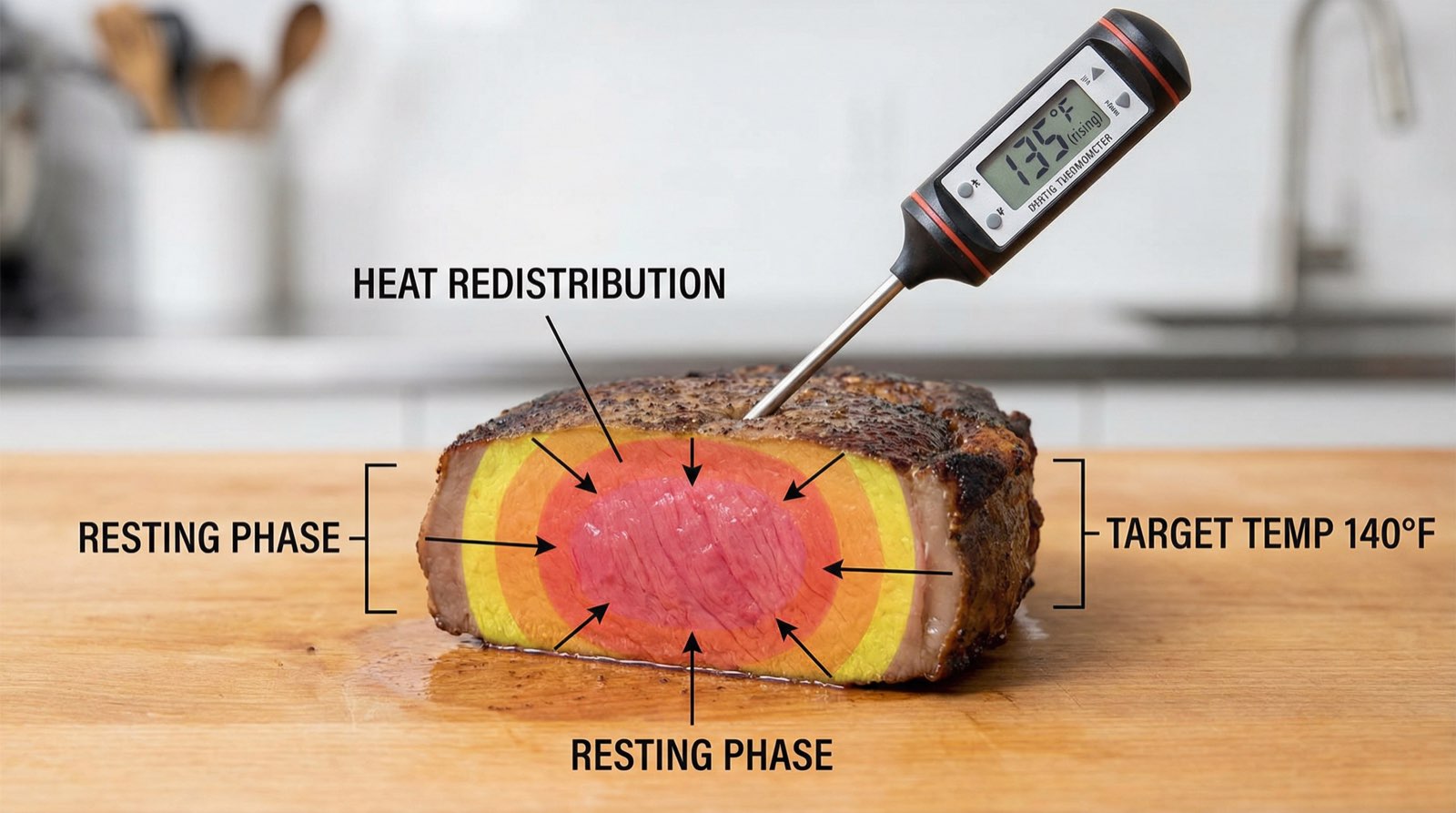
Carryover Cooking Temperature Chart: The Science of Resting Meat
Understanding carryover cooking is the difference between perfectly cooked meat and an overcooked disappointment. This comprehensive guide explains the science of temperature rise during resting and provides exact pull temperatures for every type of meat.
Read Guide →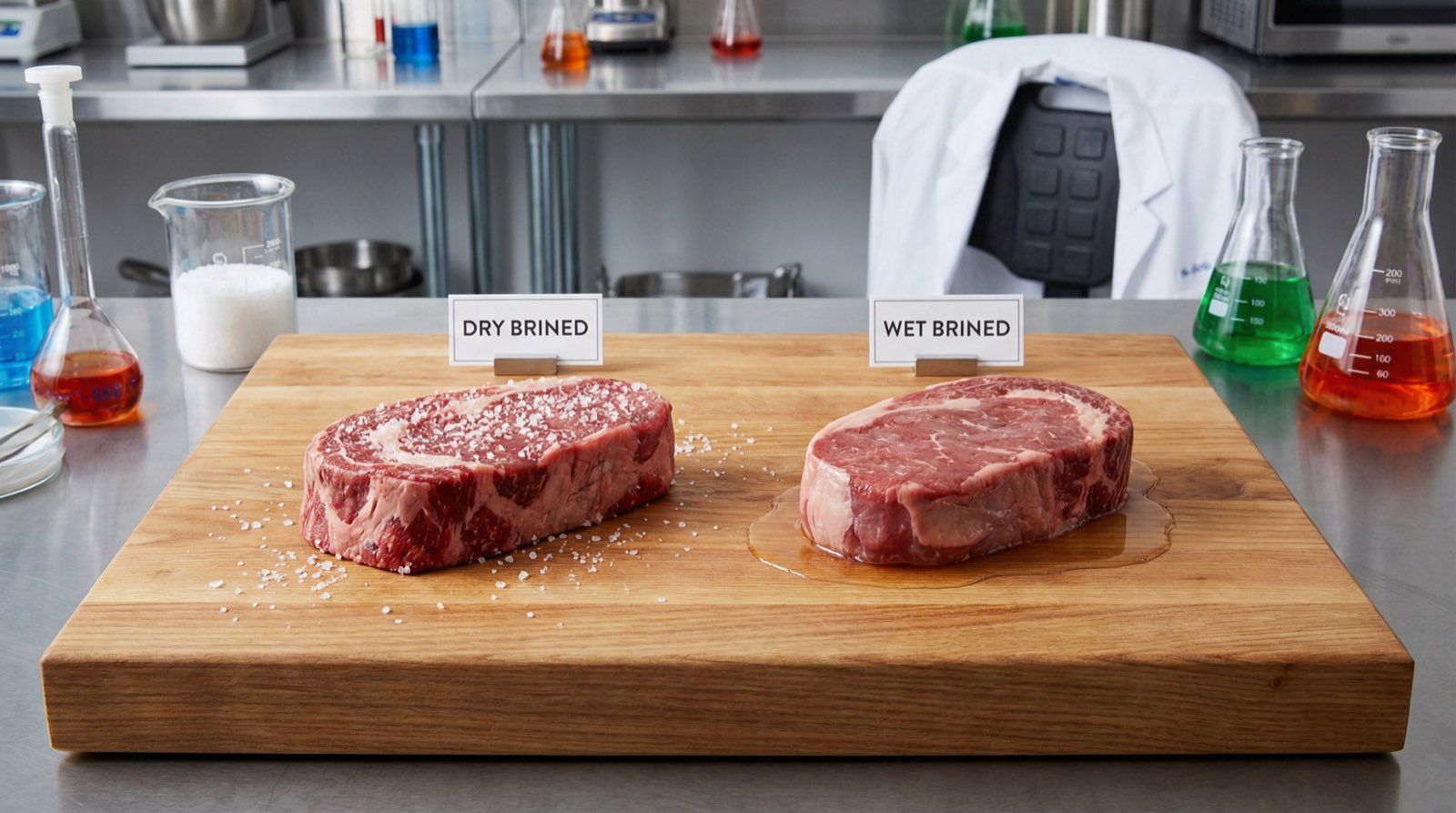
Dry Brine vs Wet Brine: The Complete Scientific Comparison
The debate between dry brining and wet brining has divided pitmasters and chefs for decades. As a food scientist, I'm here to explain the cellular-level processes that make each method work—and when to use which technique for optimal results.
Read Guide →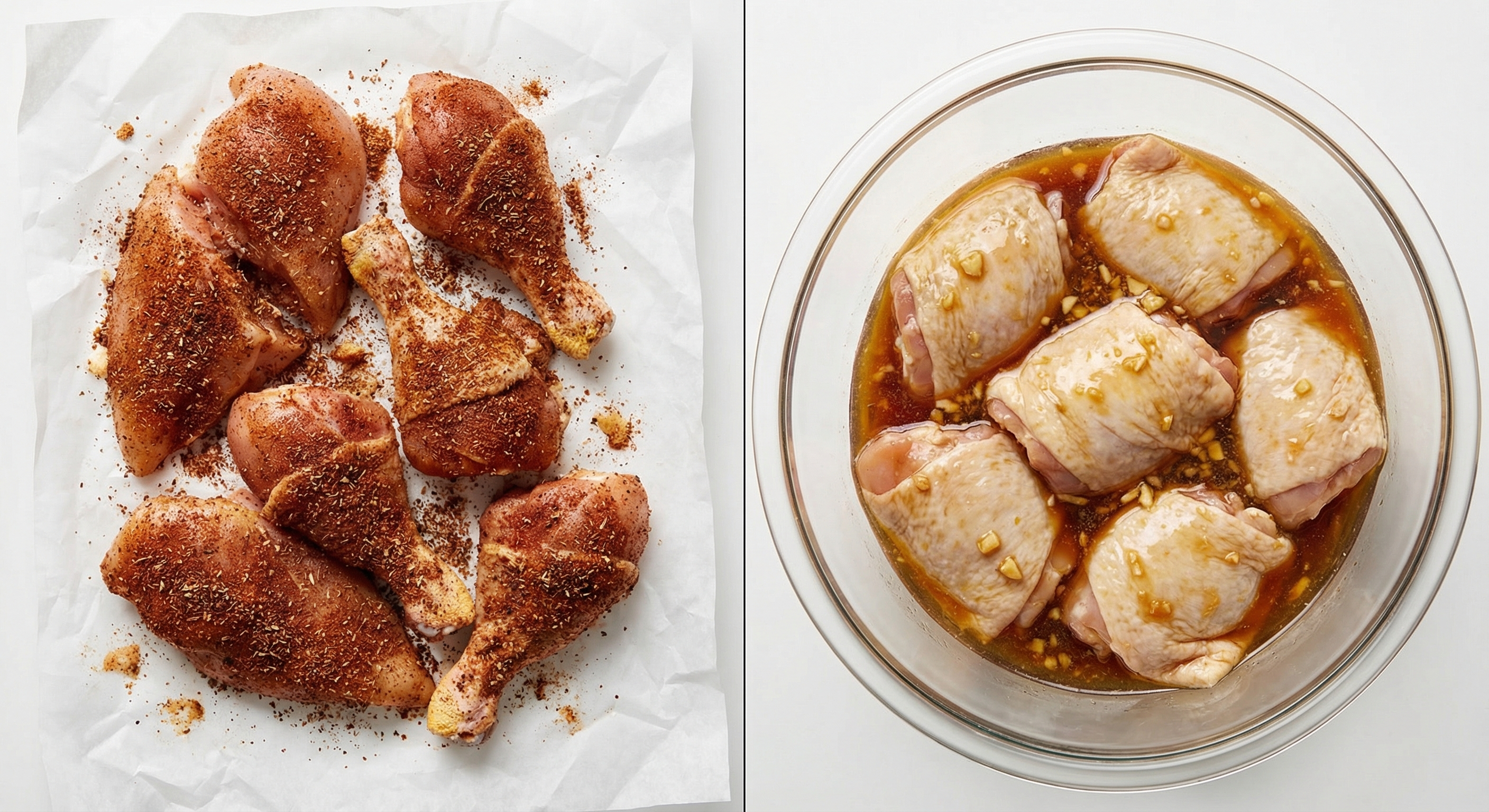
Dry Rub vs Marinade: The Science of Which Works Better (and When)
Rubs build bark through the Maillard reaction. Marinades tenderize via acid denaturation. Both alter meat chemistry — but in fundamentally different ways. Understanding the science tells you which to use when.
Read Guide →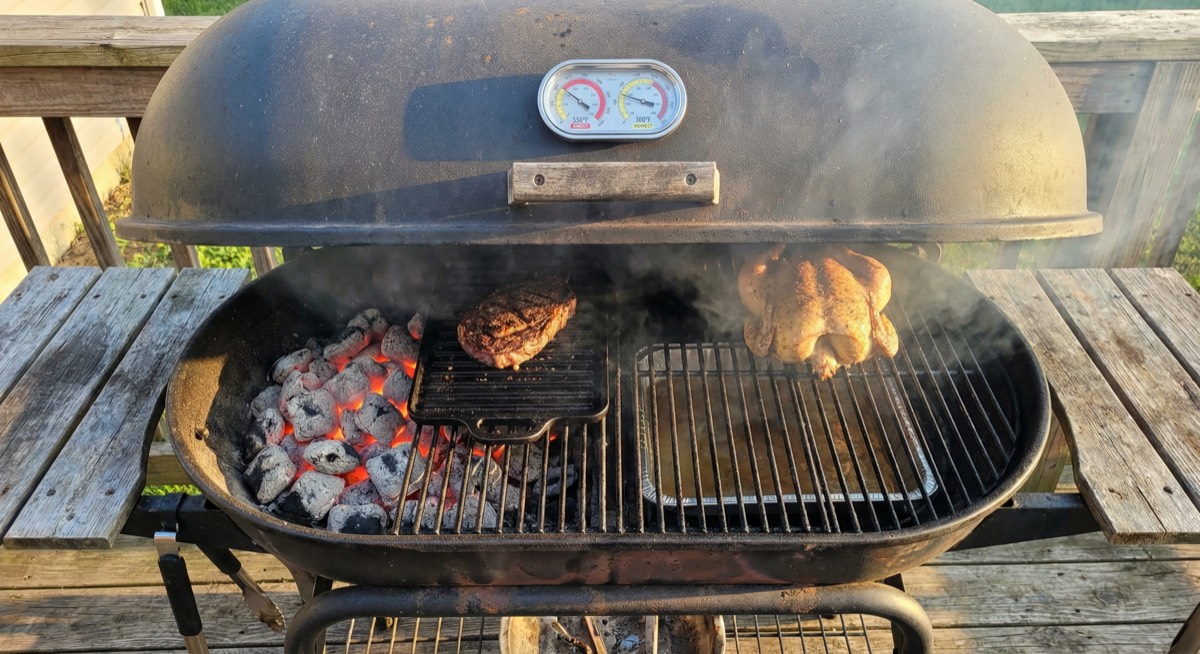
Grilling Temperature Zones: The Science of Heat Management
Understanding grilling temperature zones transforms your cook from guesswork into precision. Learn the thermodynamics behind direct and indirect heat, how to configure two-zone and three-zone setups, and which proteins perform best in each zone.
Read Guide →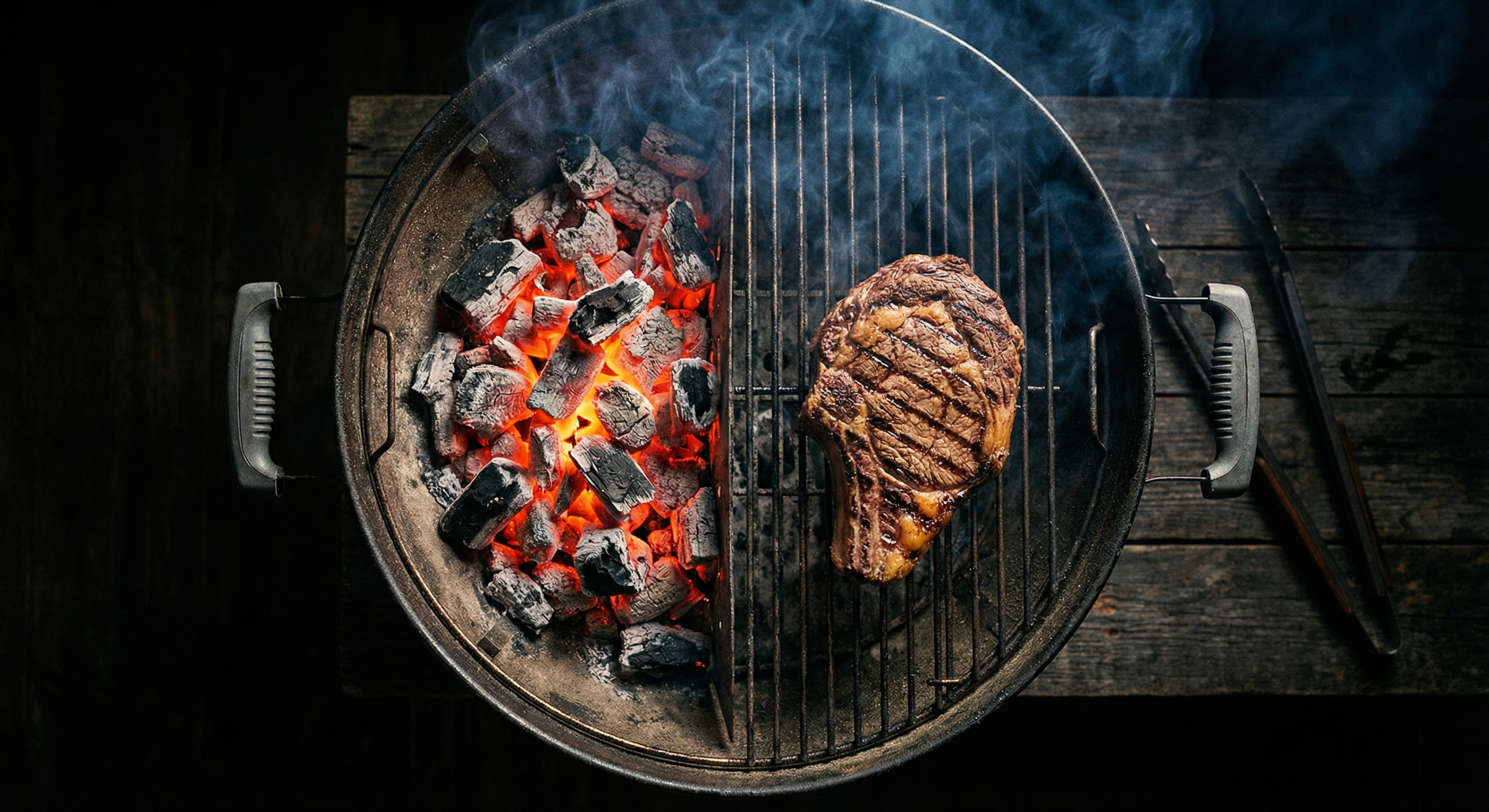
How to Control Grill Temperature: The Complete Science Guide
Grill temperature control is pure applied thermodynamics. Master airflow, fuel management, and heat geometry to hold any target temp from 225°F low-and-slow to 700°F searing.
Read Guide →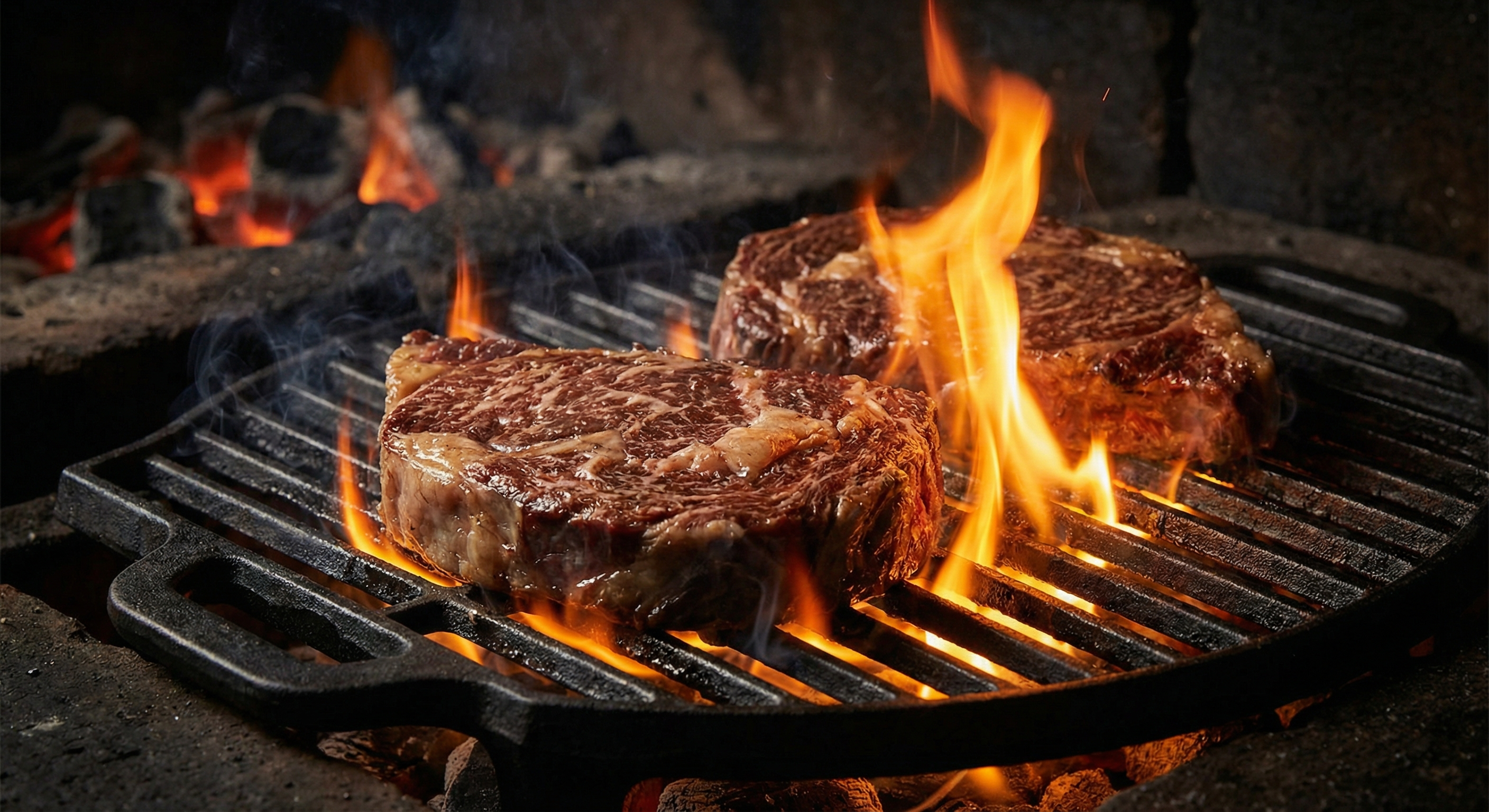
How to Prevent Flare-Ups on the Grill: The Science of Fat, Fire & Control
Flare-ups are not random acts of grilling chaos — they are predictable combustion events governed by fat content, grill temperature, and airflow. Understanding the chemistry gives you total control.
Read Guide →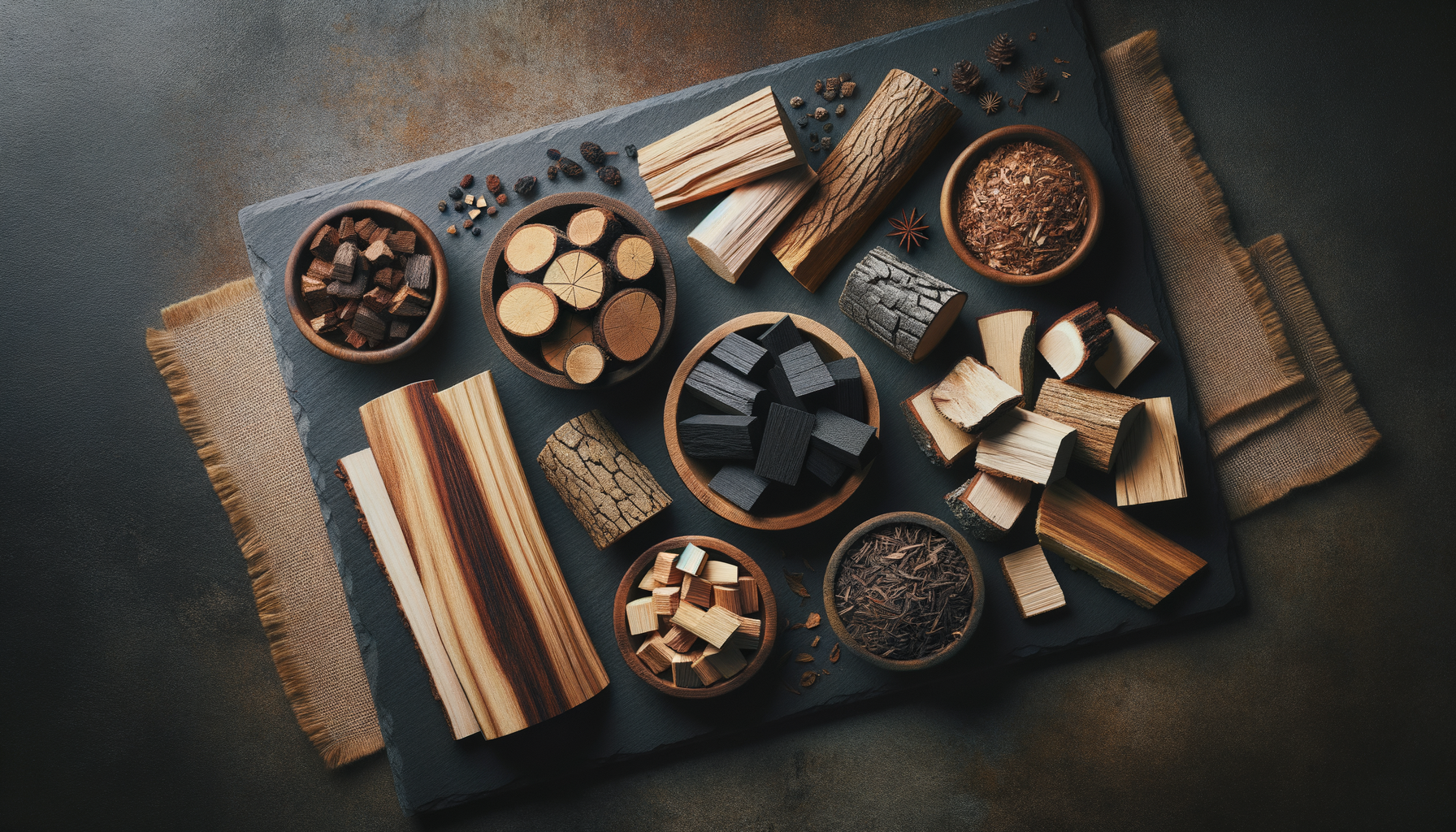
Smoking Wood Flavor Guide: The Science of How Wood Creates Flavor
Different woods produce different flavor compounds during combustion. This guide breaks down the chemistry of smoke flavor — phenols, carbonyls, and volatile organics — and shows you exactly which wood to use for every protein.
Read Guide →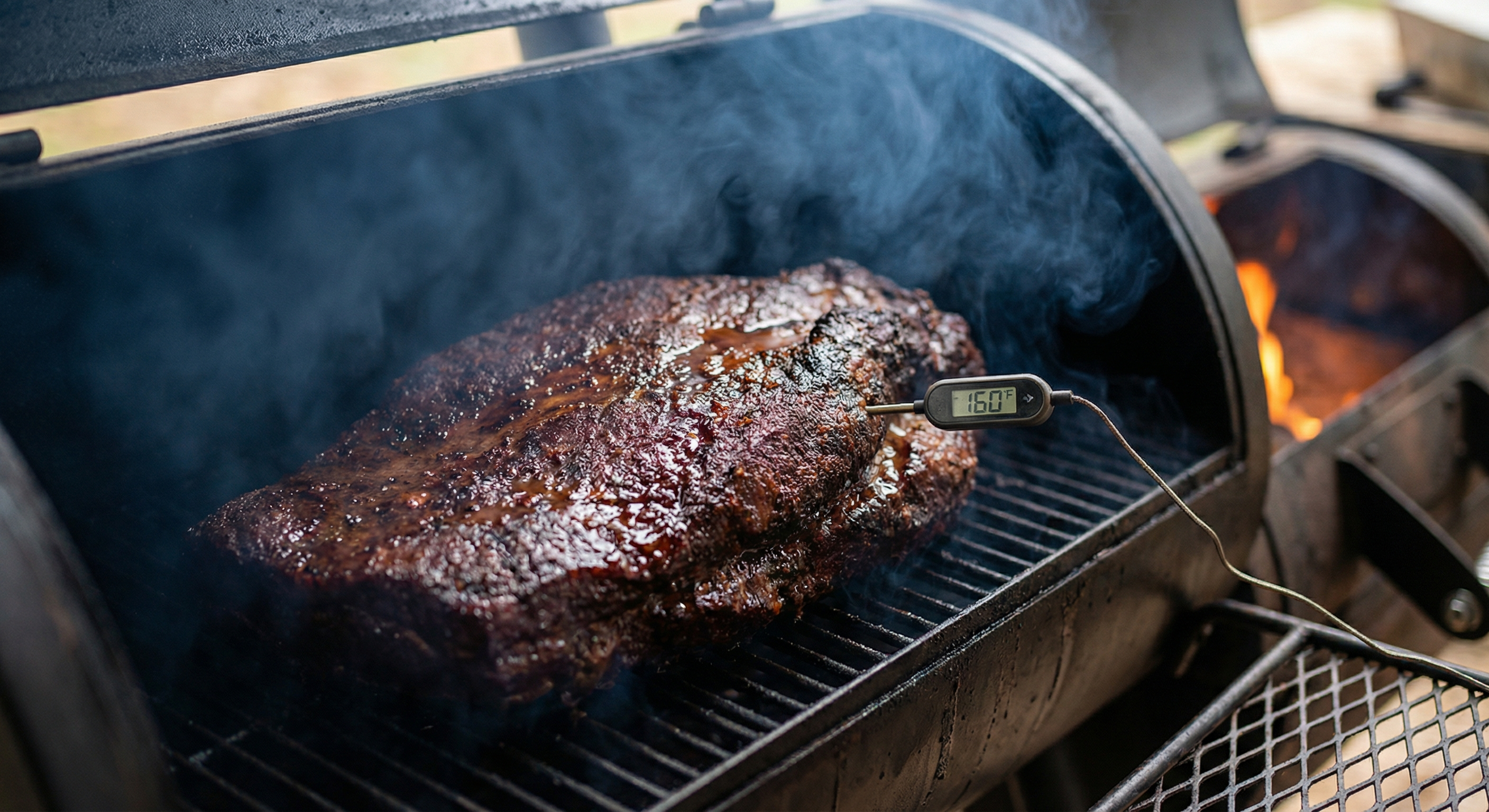
The BBQ Stall Explained: Why Your Brisket Temperature Plateaus (And How to Power Through)
The BBQ stall is not a mystery — it is basic thermodynamics. When your brisket hits 150-170°F and stops climbing for hours, evaporative cooling is fighting your fire. Here is the science and your options.
Read Guide →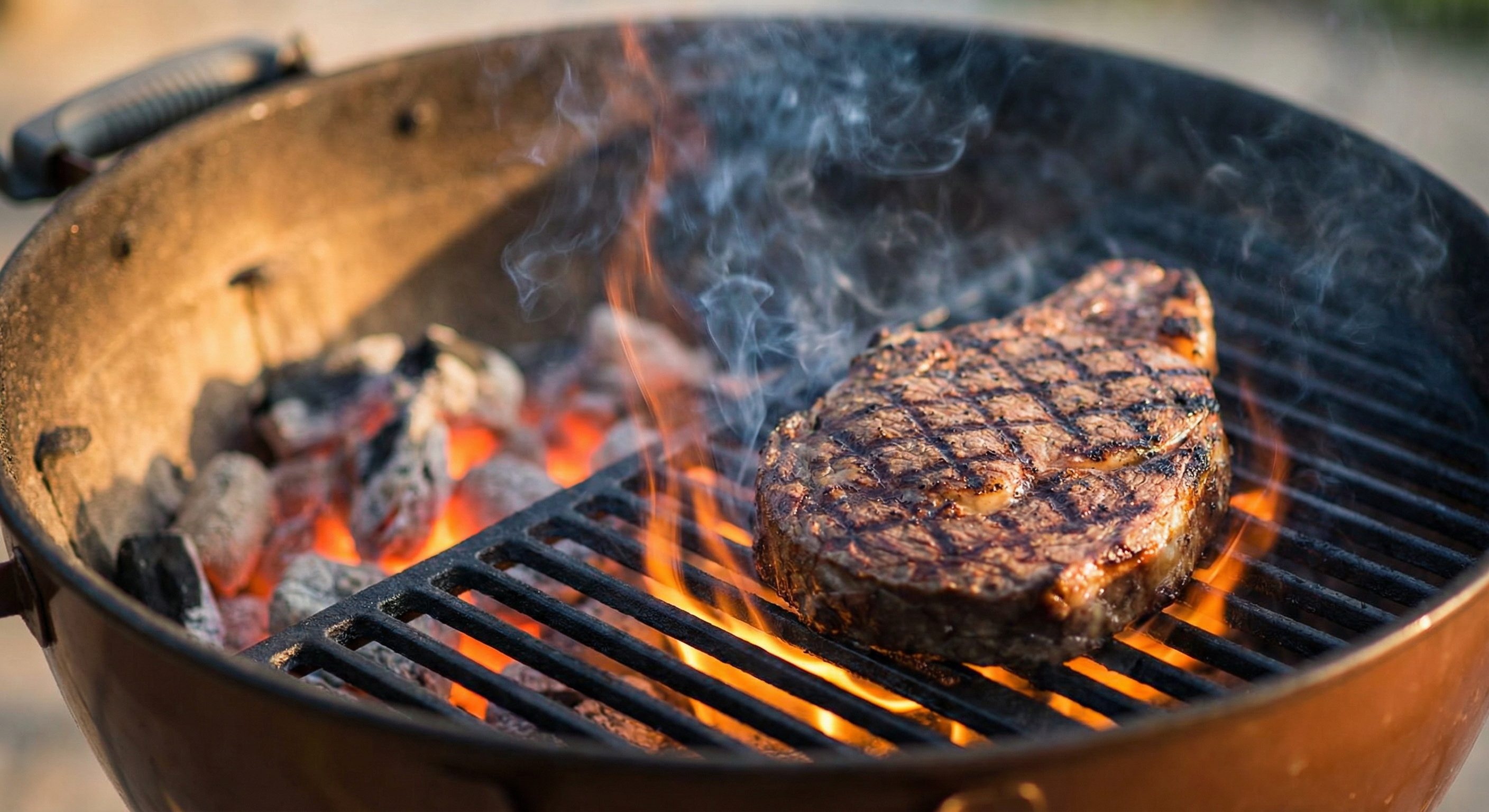
Convection in Grilling: How Air Currents Shape Heat, Smoke, and Flavor
Convection is the invisible engine behind every great cook on a grill or smoker. This guide explains the physics of convective heat transfer, shows how vent position and lid design shape airflow patterns, and gives you practical techniques to harness convection for more consistent results.
Read Guide →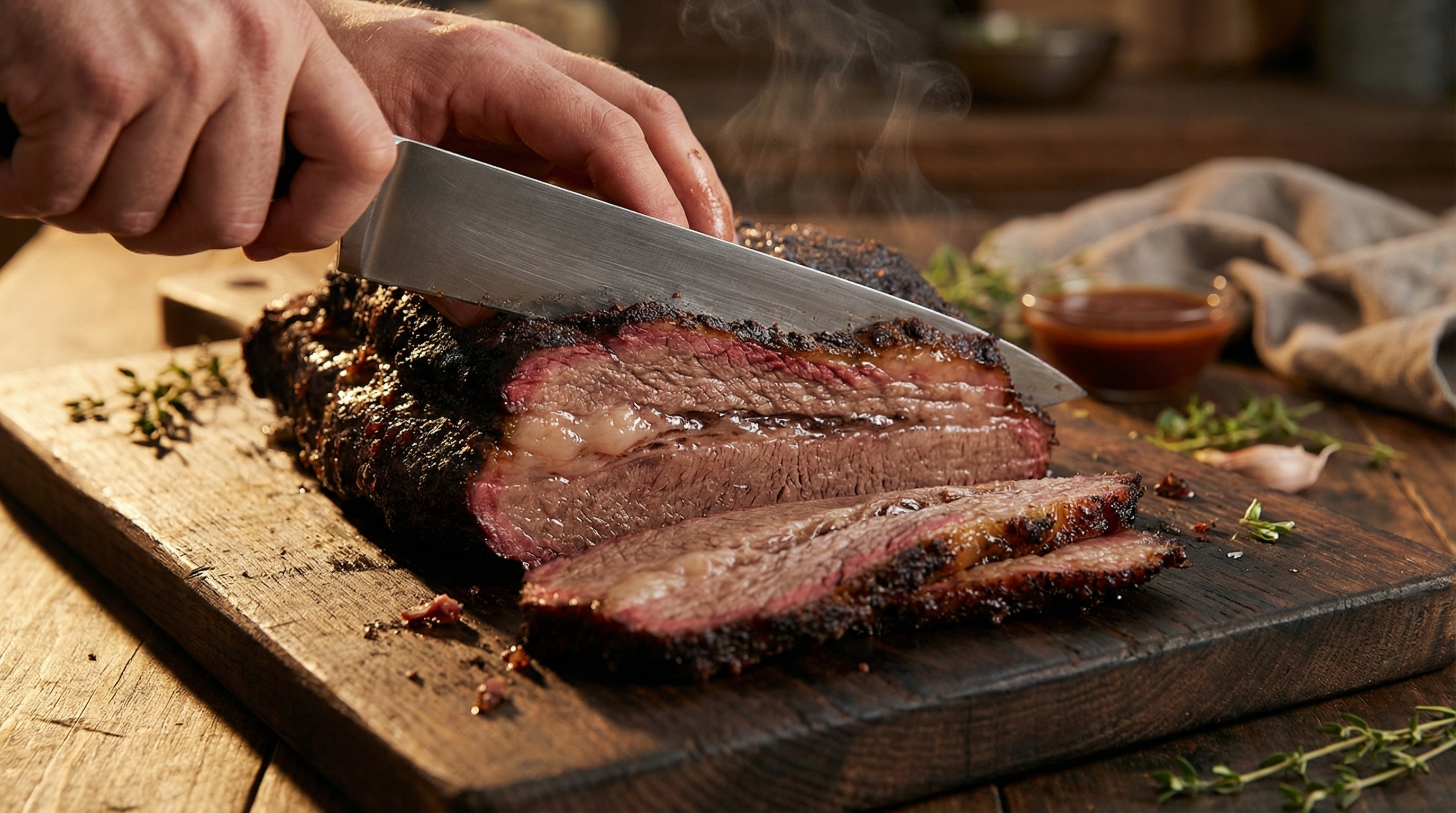
Collagen Breakdown in BBQ: The Science of Tender, Melt-in-Your-Mouth Meat
Collagen is the reason tough cuts like brisket and pork shoulder become tender masterpieces after hours of low-and-slow cooking. Here is exactly how the conversion works — and how to control it.
Read Guide →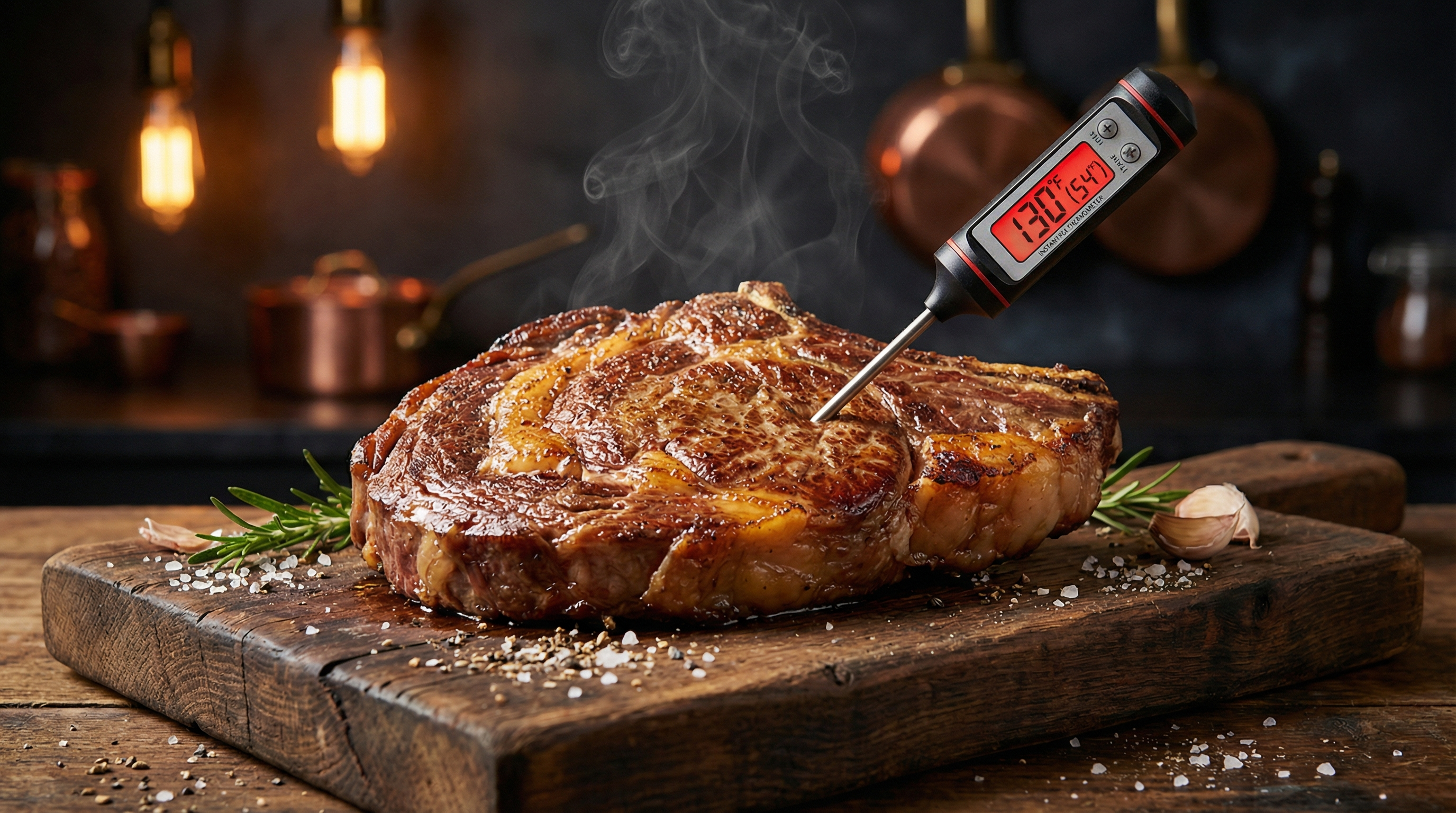
Carryover Cooking: Why Your Meat Keeps Cooking After You Remove It from Heat
Carryover cooking is the reason your steak goes from perfect to overdone in minutes. Learn the thermal physics behind it, how much temperature rise to expect for every cooking method, and the exact pull temperatures that guarantee your target doneness.
Read Guide →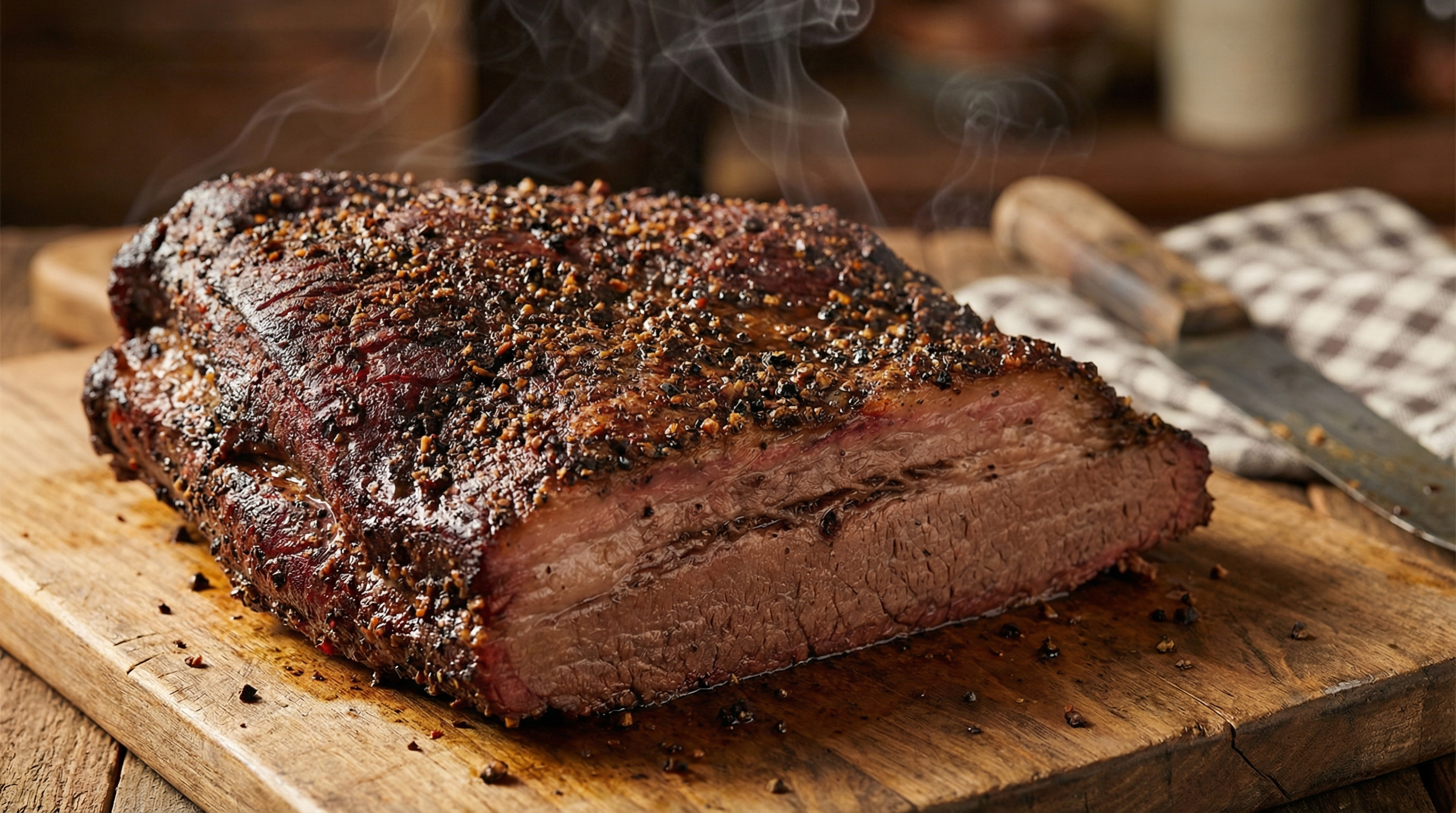
BBQ Bark Formation: The Complete Science Behind That Perfect Crust
Bark is the holy grail of low-and-slow smoking. It is not char, it is not burned spice — it is a complex crust formed by Maillard browning, fat rendering, and spice polymerization over hours of controlled heat and airflow.
Read Guide →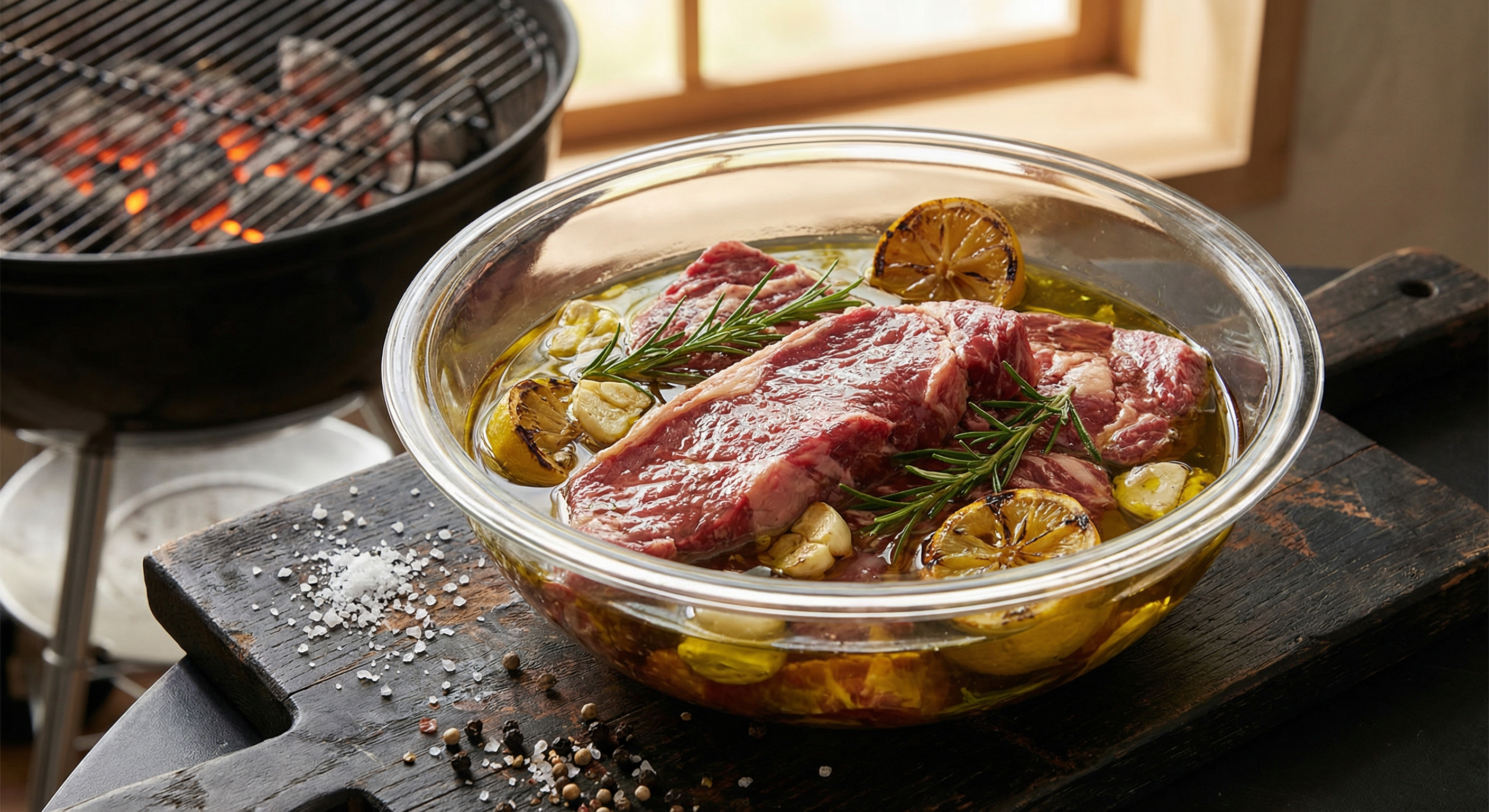
The Science of Marinades: How Acid, Salt, and Oil Transform Grilled Meat
Most of what you've heard about marinades is wrong. Here's what's actually happening at the molecular level — and how to build better marinades for the grill.
Read Guide →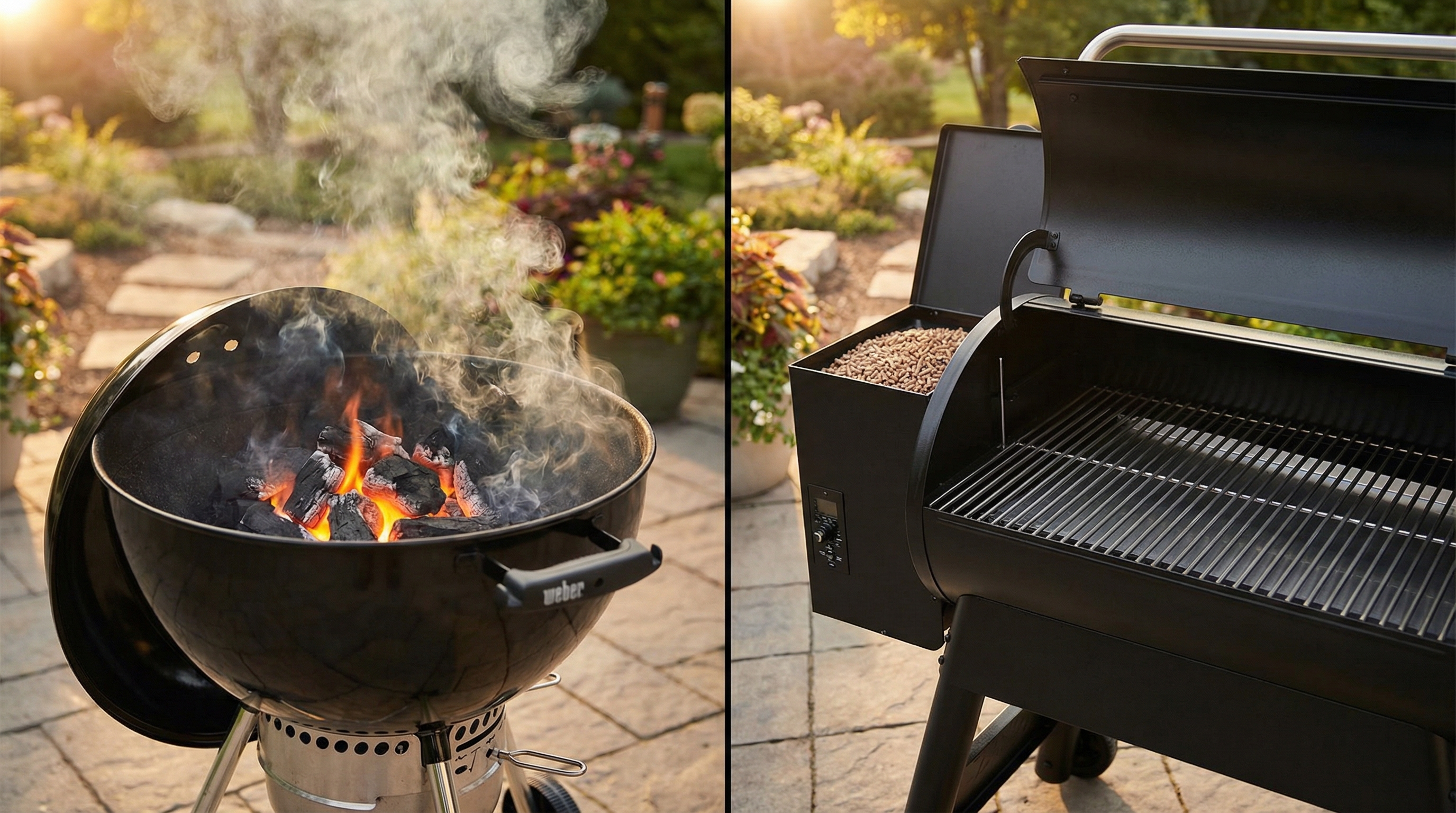
Pellet Grill vs Charcoal: The Science of Flavor, Heat, and Smoke
Pellet grills and charcoal grills burn different fuels at different temperatures, producing different combustion gases and smoke compounds. Here is what the science says about flavor, heat, and performance.
Read Guide →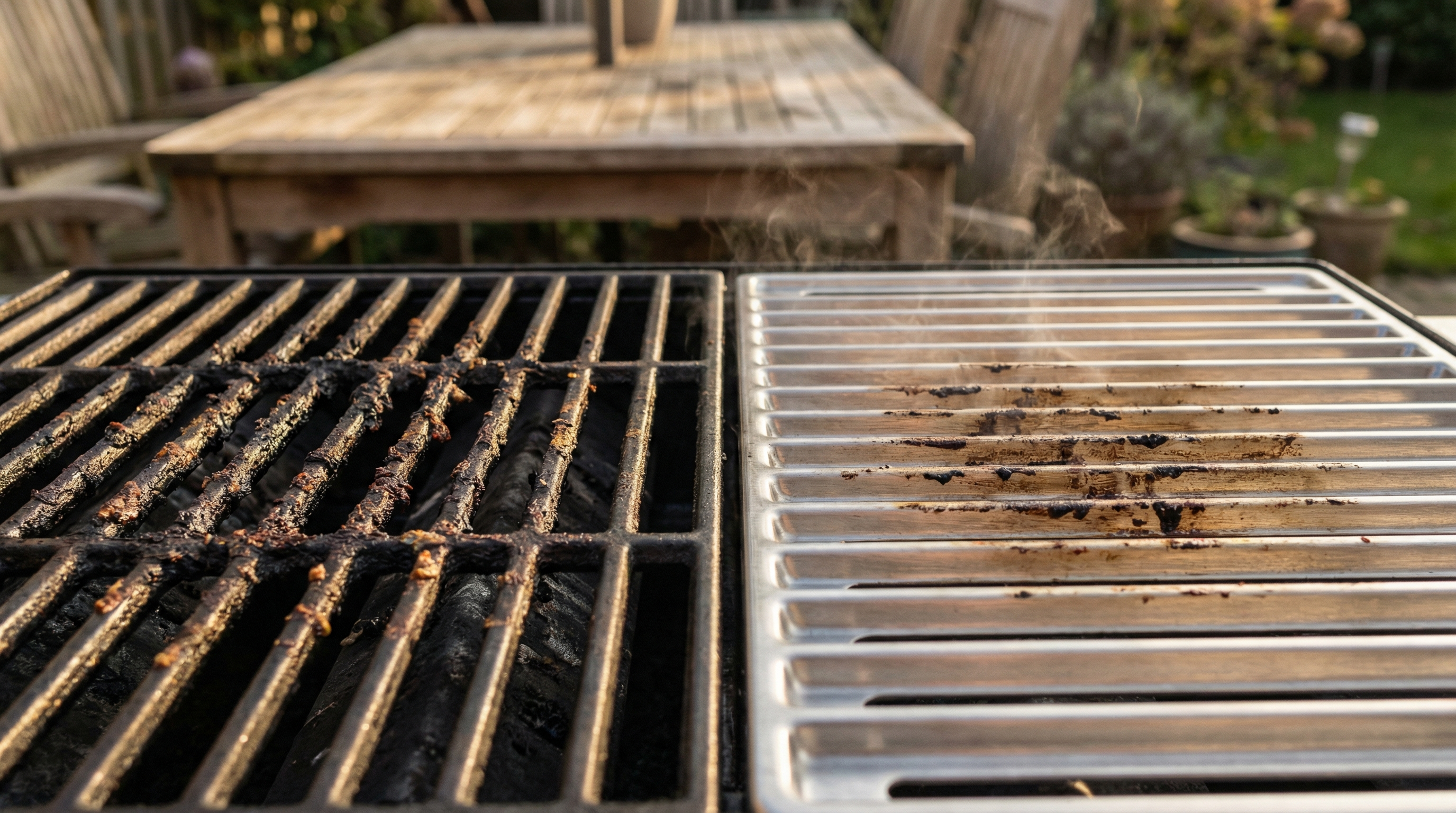
How to Clean Grill Grates: The Science of Buildup, Heat, and Restoration
Grill grate buildup is polymerized carbon bonded at the molecular level. Understanding the chemistry behind it reveals why some cleaning methods work and others just scratch the surface.
Read Guide →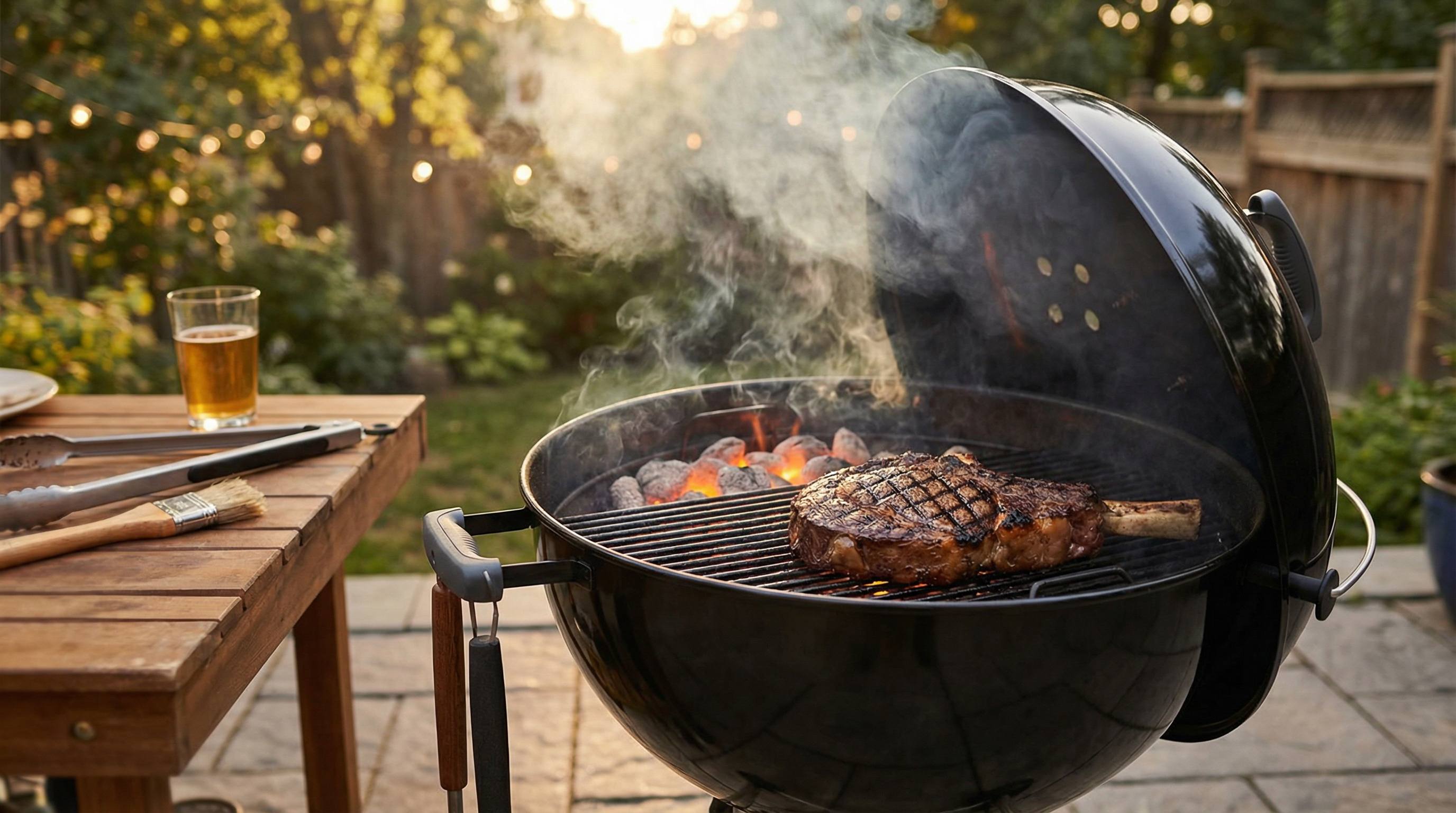
Grill Lid Open or Closed? The Science of When Each Method Works Best
The lid question is the most common debate in grilling. The answer depends on physics: what kind of heat transfer your food needs. Here is the complete science.
Read Guide →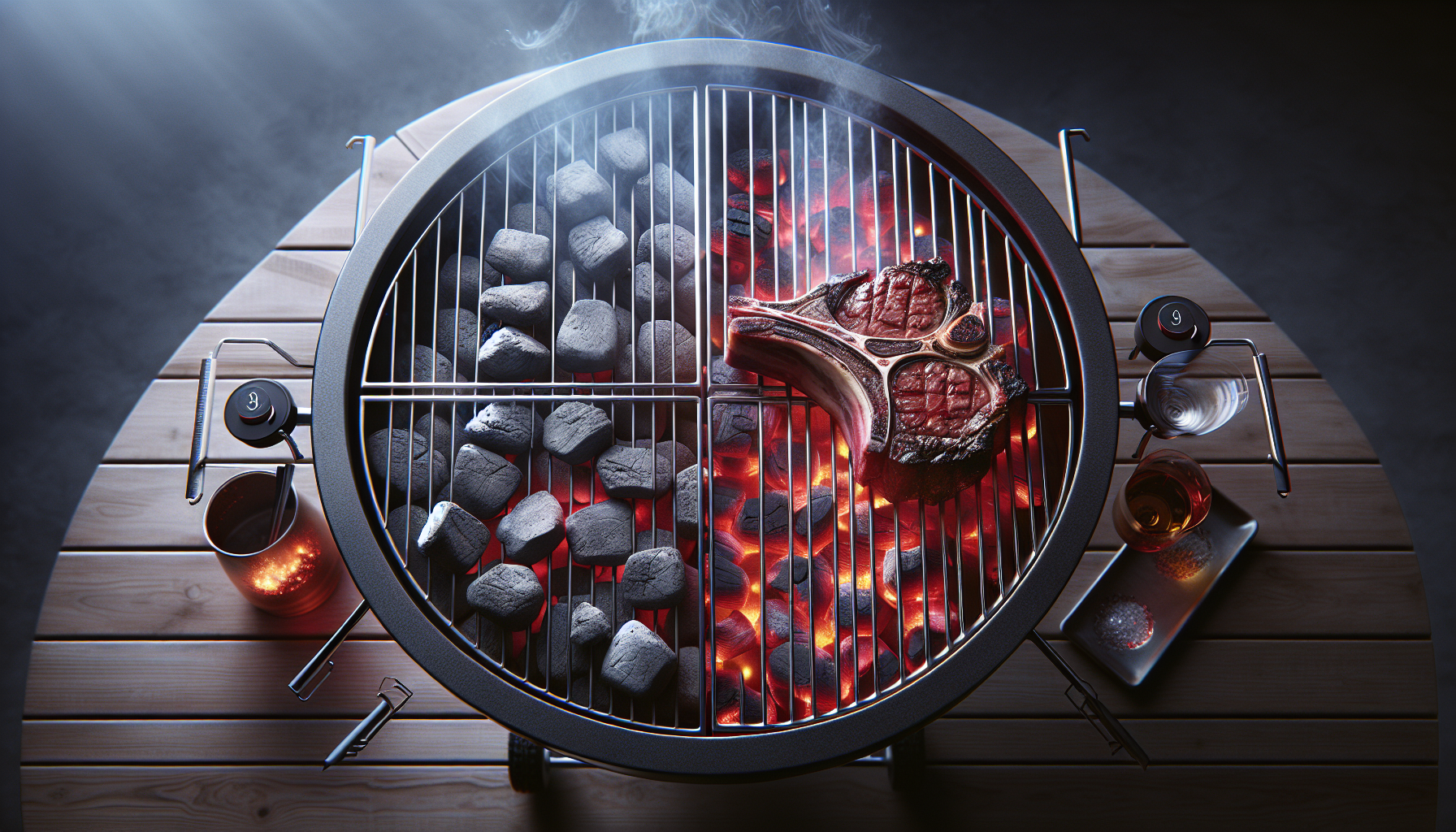
Two-Zone Grilling: The Setup That Makes Everything Better
Two-zone grilling is the single most important technique that separates people who grill from people who understand grilling. One side hot, one side not. Here is the science behind why this transforms your results.
Read Guide →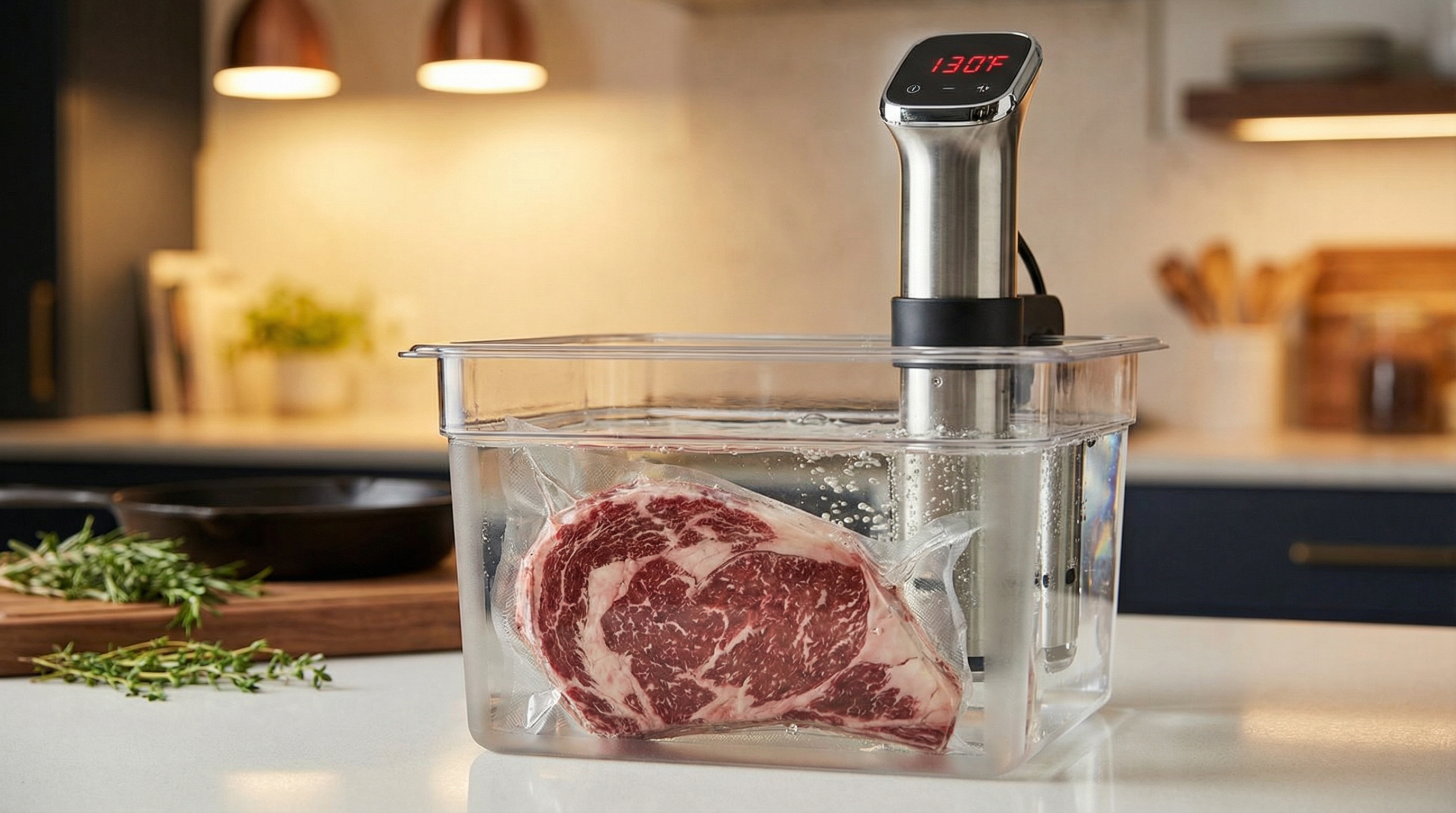
Sous Vide Steak Temperature Guide: Every Doneness, Every Cut
Exact sous vide temperatures for rare through well-done steak, with time ranges for every thickness. The science of why precision temperature control produces better results than any other method.
Read Guide →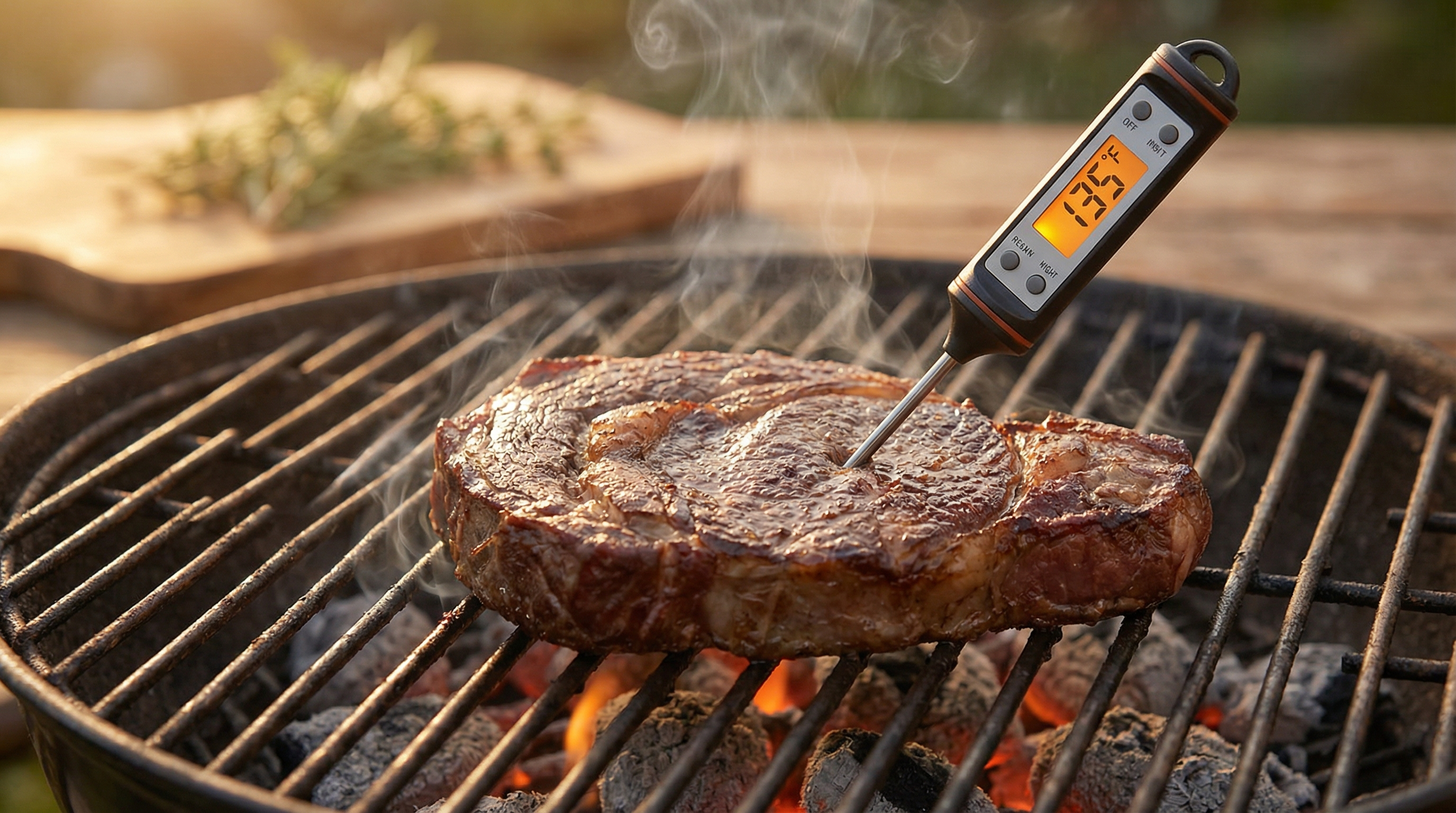
Meat Thermometer Accuracy: The Science of Getting the Right Temperature Every Time
Your meat thermometer could be lying to you by 10°F or more. Learn the physics behind how thermometers measure temperature, what causes inaccurate readings, and how to calibrate and use them correctly so you never miss your target doneness.
Read Guide →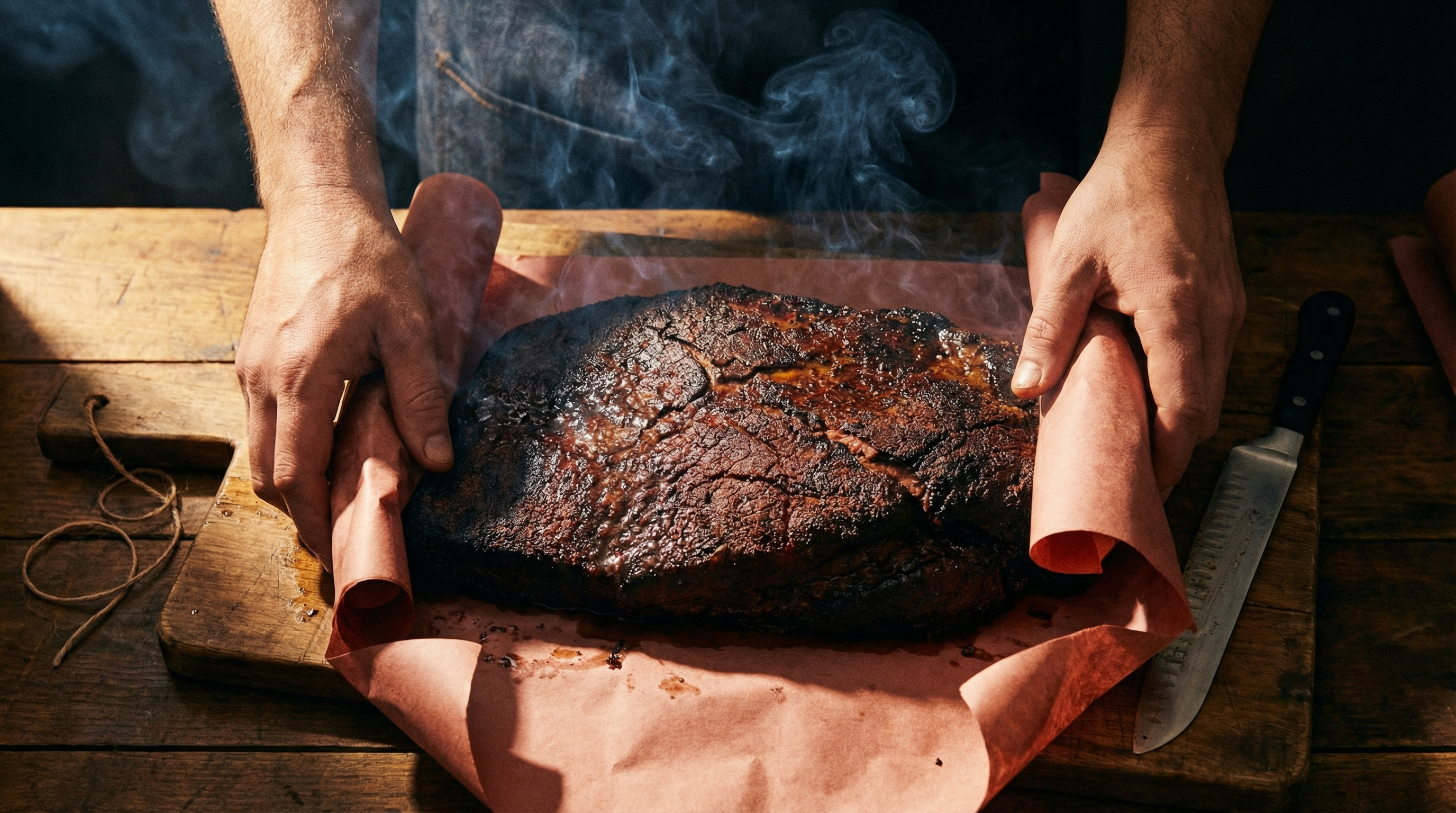
The Texas Crutch: Why Wrapping Brisket in Foil or Butcher Paper Works
The Texas Crutch is the most debated technique in competition BBQ. Wrapping brisket mid-smoke pushes through the stall hours faster, but foil and butcher paper produce very different results. Here is the science behind both methods.
Read Guide →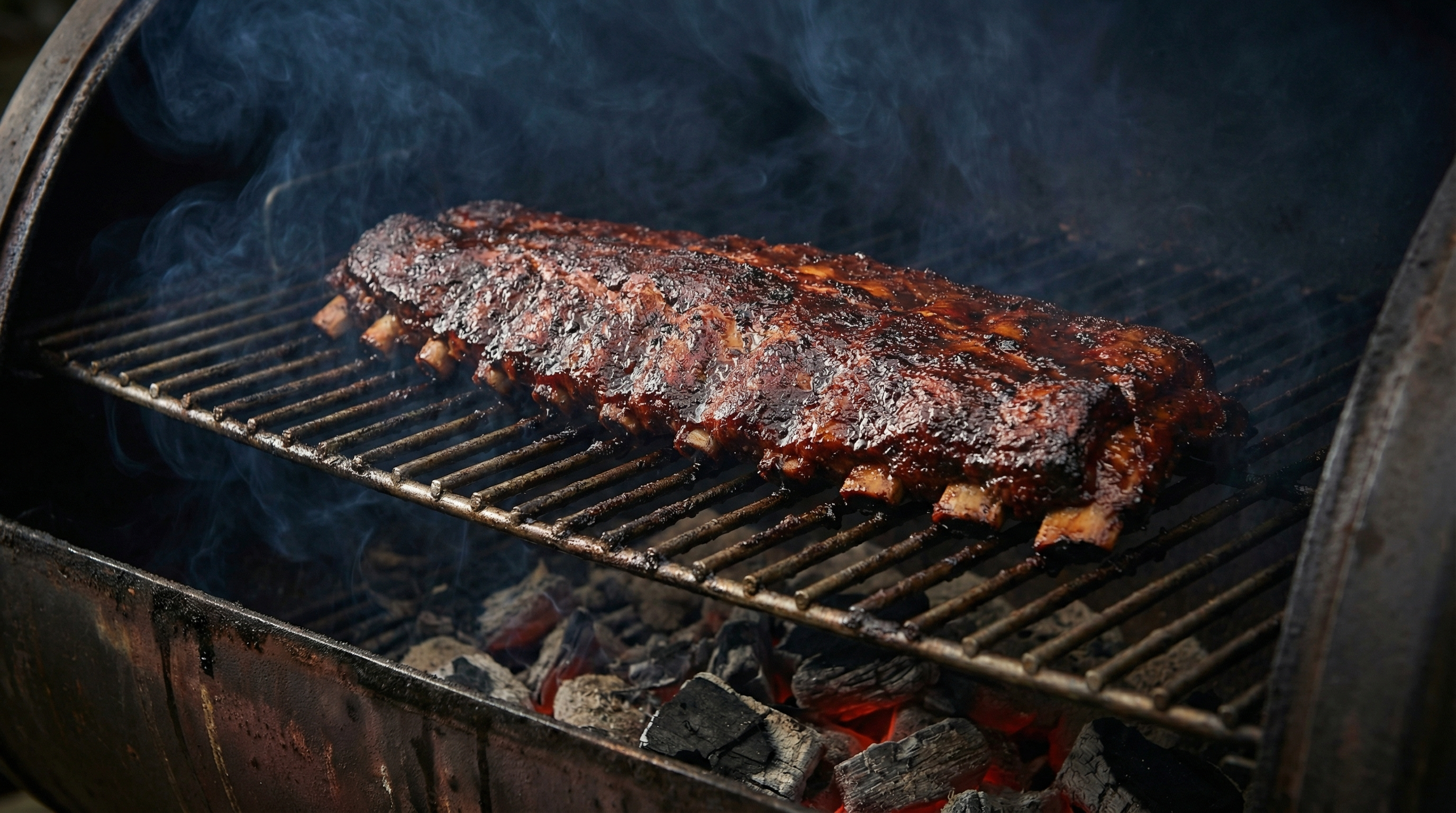
The 3-2-1 Ribs Method: The Science Behind Perfect Smoked Ribs Every Time
The 3-2-1 method is the most popular rib-smoking technique for a reason — each phase targets a specific physical and chemical transformation in the meat. Here is the science behind why it works and how to adapt it for any smoker.
Read Guide →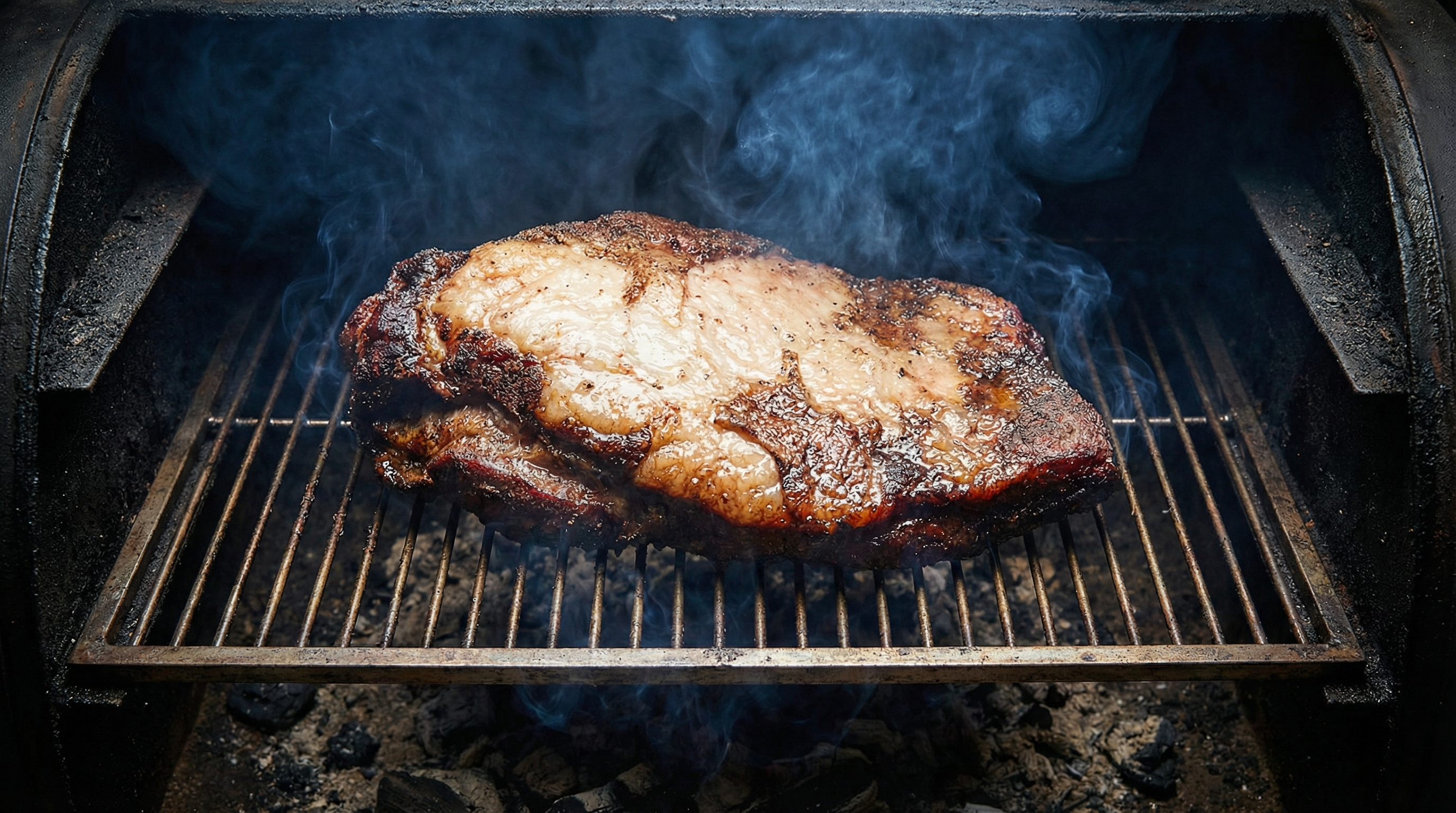
Fat Cap Up or Down? The Science That Settles the BBQ Debate
The fat cap up vs down debate has divided pitmasters for decades. The answer depends on your smoker's heat source location — and the physics of rendering, convection, and bark formation explain exactly why.
Read Guide →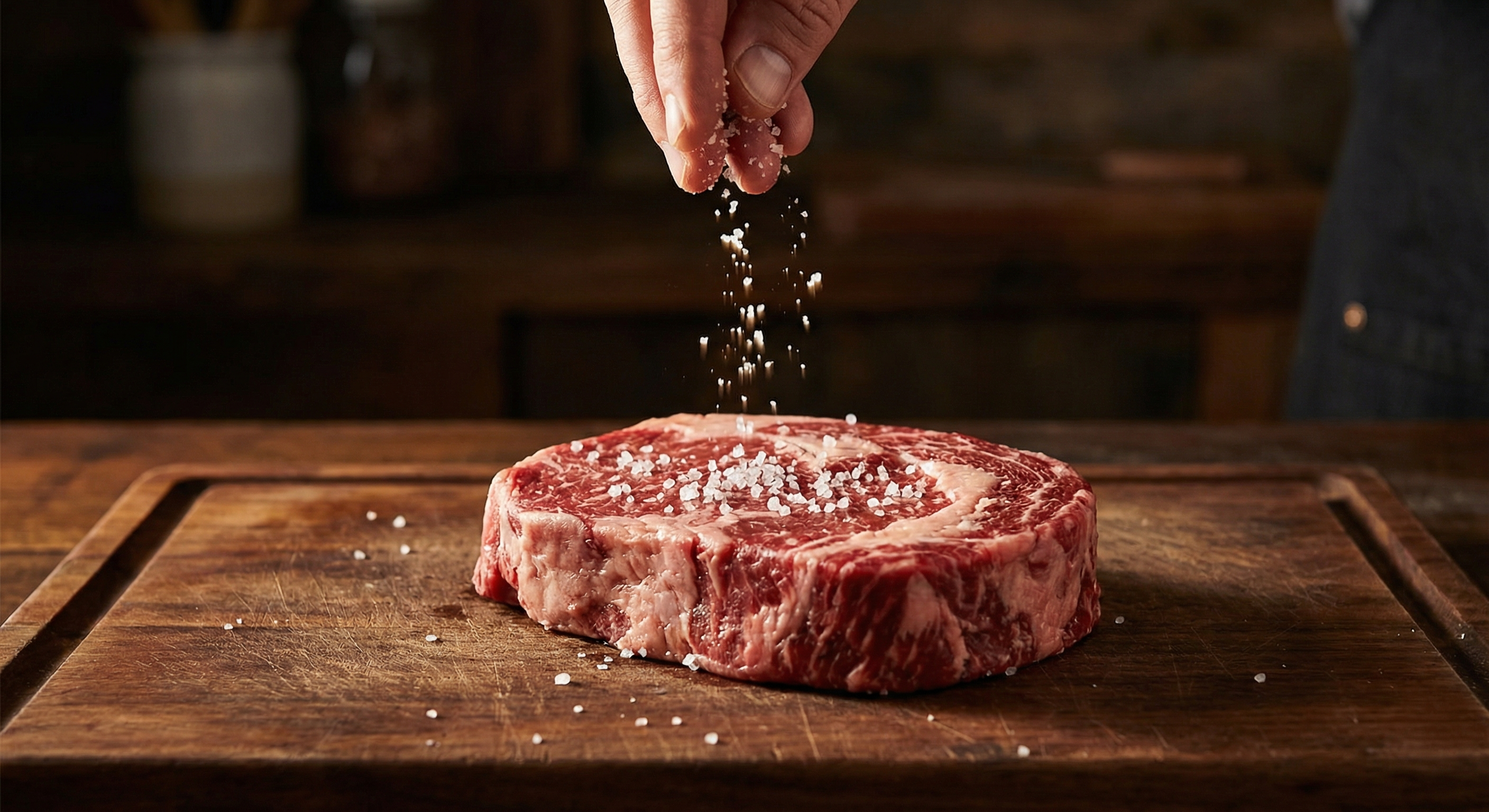
When to Salt Steak: The Science of Timing, Osmosis, and Perfect Seasoning
Salt your steak either 40+ minutes before cooking or right before it hits the grill. Anything in between and you are working against the science of osmosis.
Read Guide →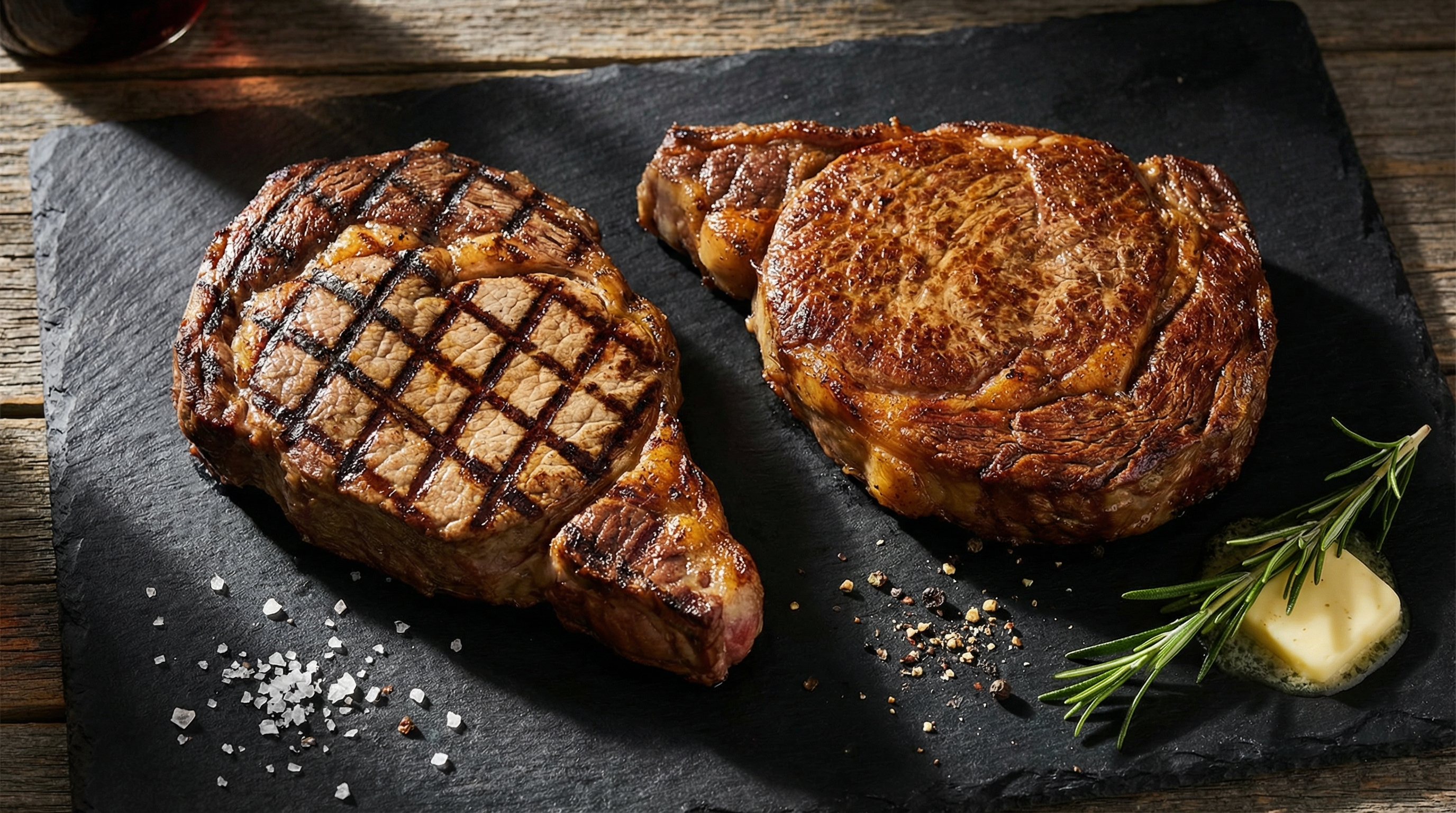
Grill Marks vs Full Sear: The Science of Which Method Produces Better Steak
Grill marks are the universal symbol of outdoor cooking, but they only cover about 15% of the steak surface. A full sear triggers the Maillard reaction across the entire face of the meat, producing dramatically more flavor compounds. Here is the science behind both methods and when each one wins.
Read Guide →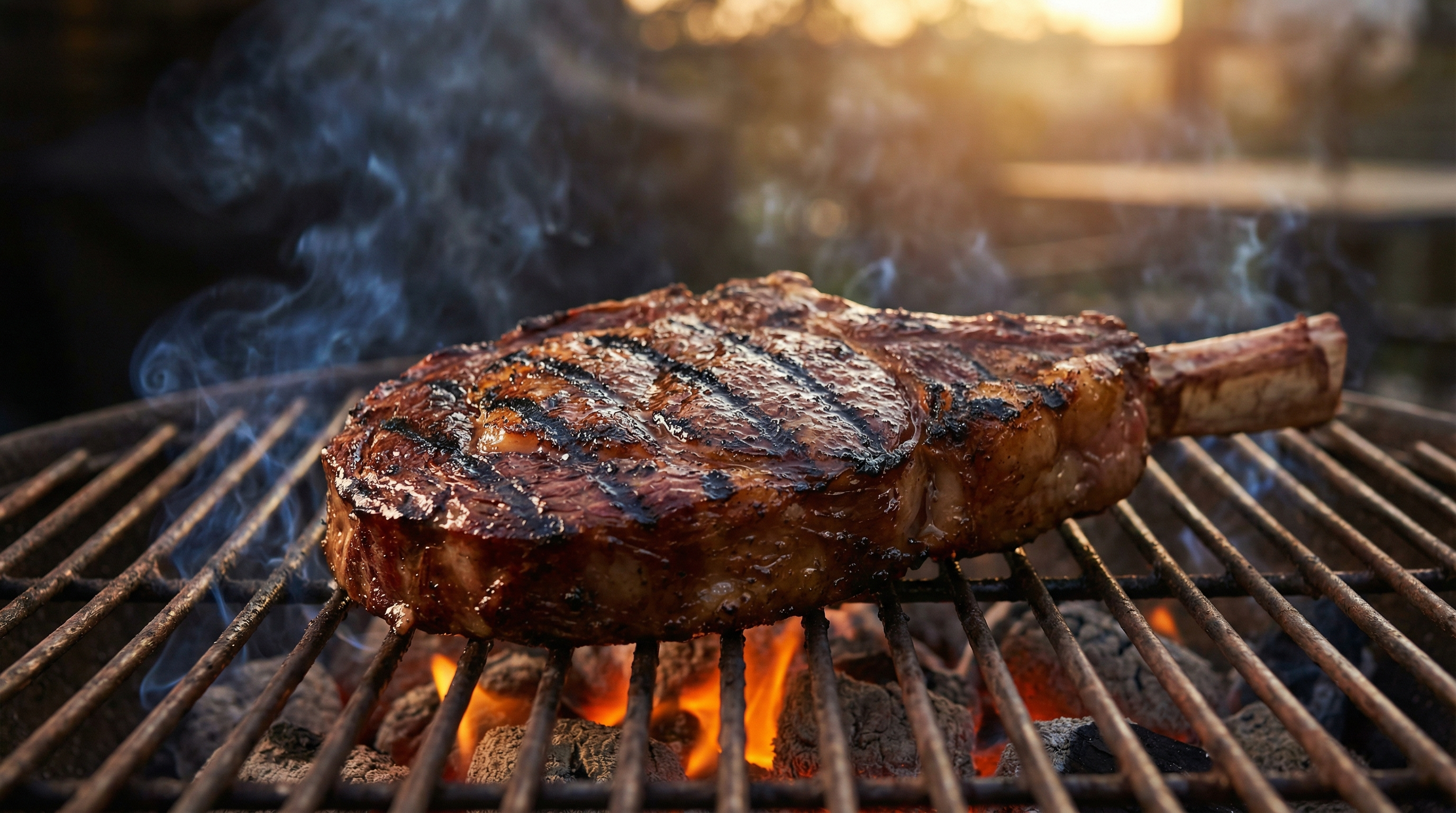
How to Grill Thick Steaks: The Complete Science-Based Guide
Thick steaks play by different rules than thin ones. The physics of heat transfer changes when you add an extra inch of meat. Here is exactly how to handle steaks 1.5 inches and thicker on any grill.
Read Guide →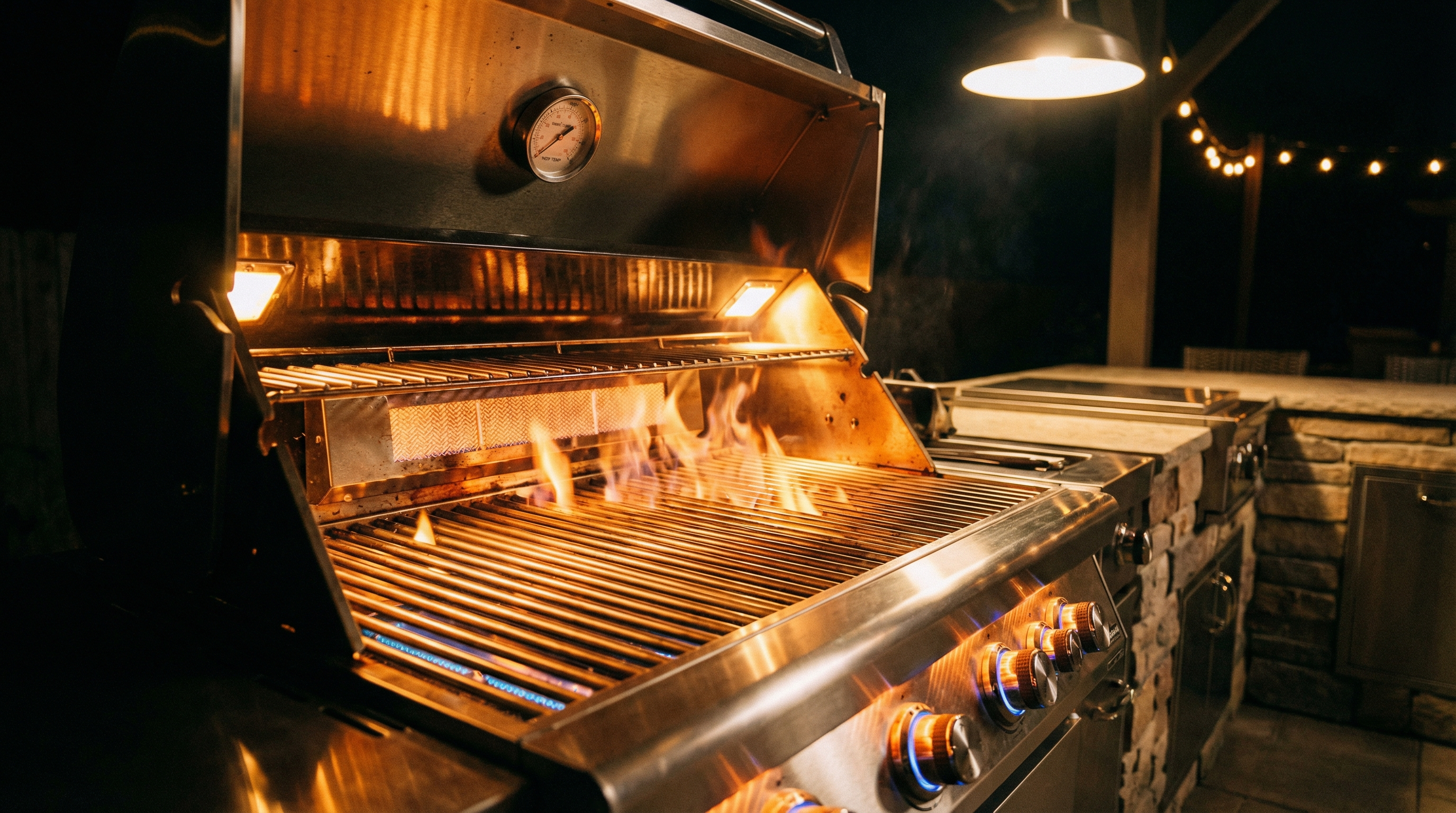
How Long to Preheat a Grill: The Science of Why It Matters
Preheating is the difference between a steak that sears and one that steams. Here is exactly how long each grill type needs — and the thermal science behind why.
Read Guide →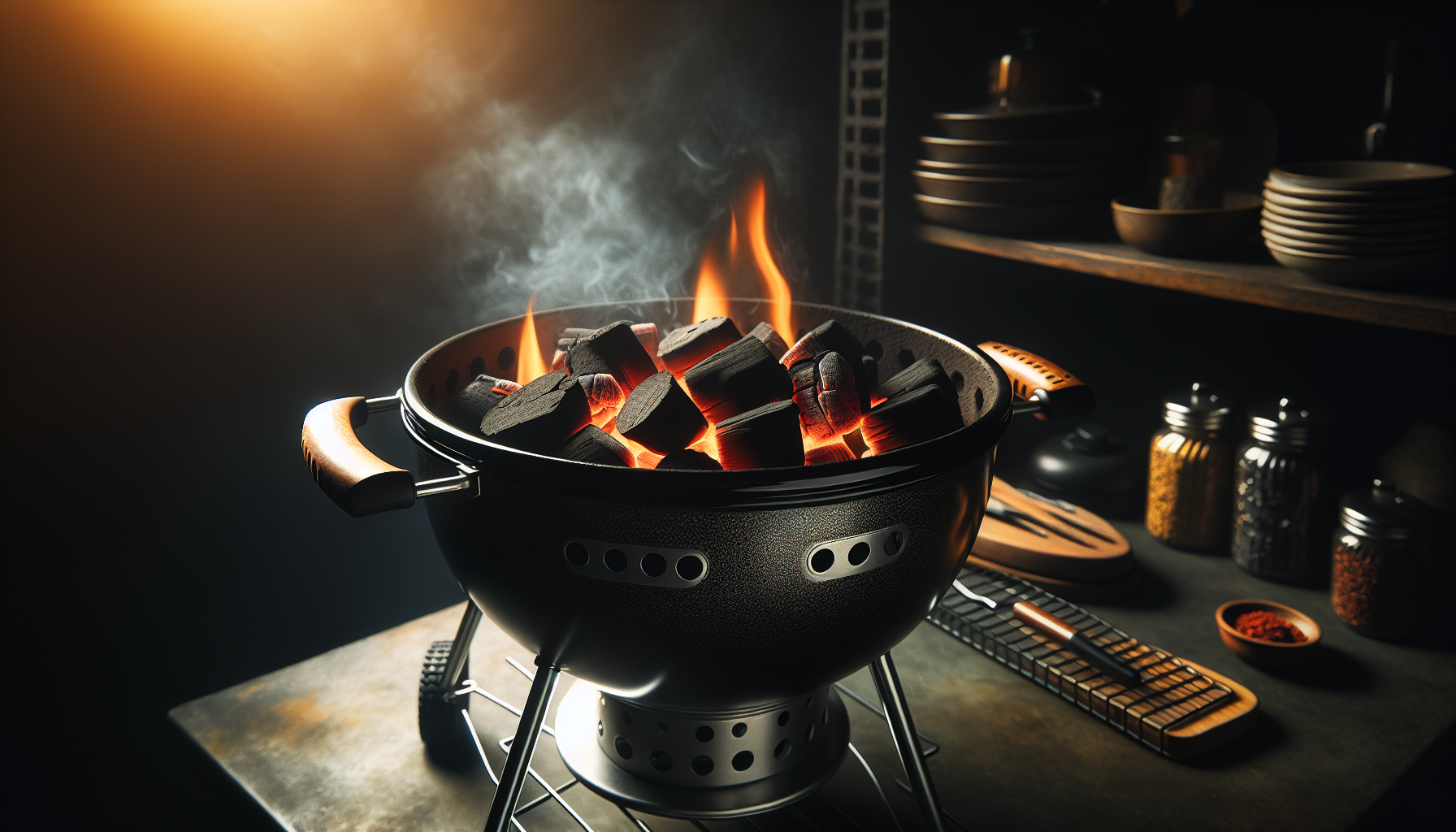
How to Light Charcoal: The Science of Every Method Ranked
The way you light your charcoal affects everything that follows — temperature consistency, flavor purity, and how long you wait before cooking. Here are five methods ranked by the science.
Read Guide →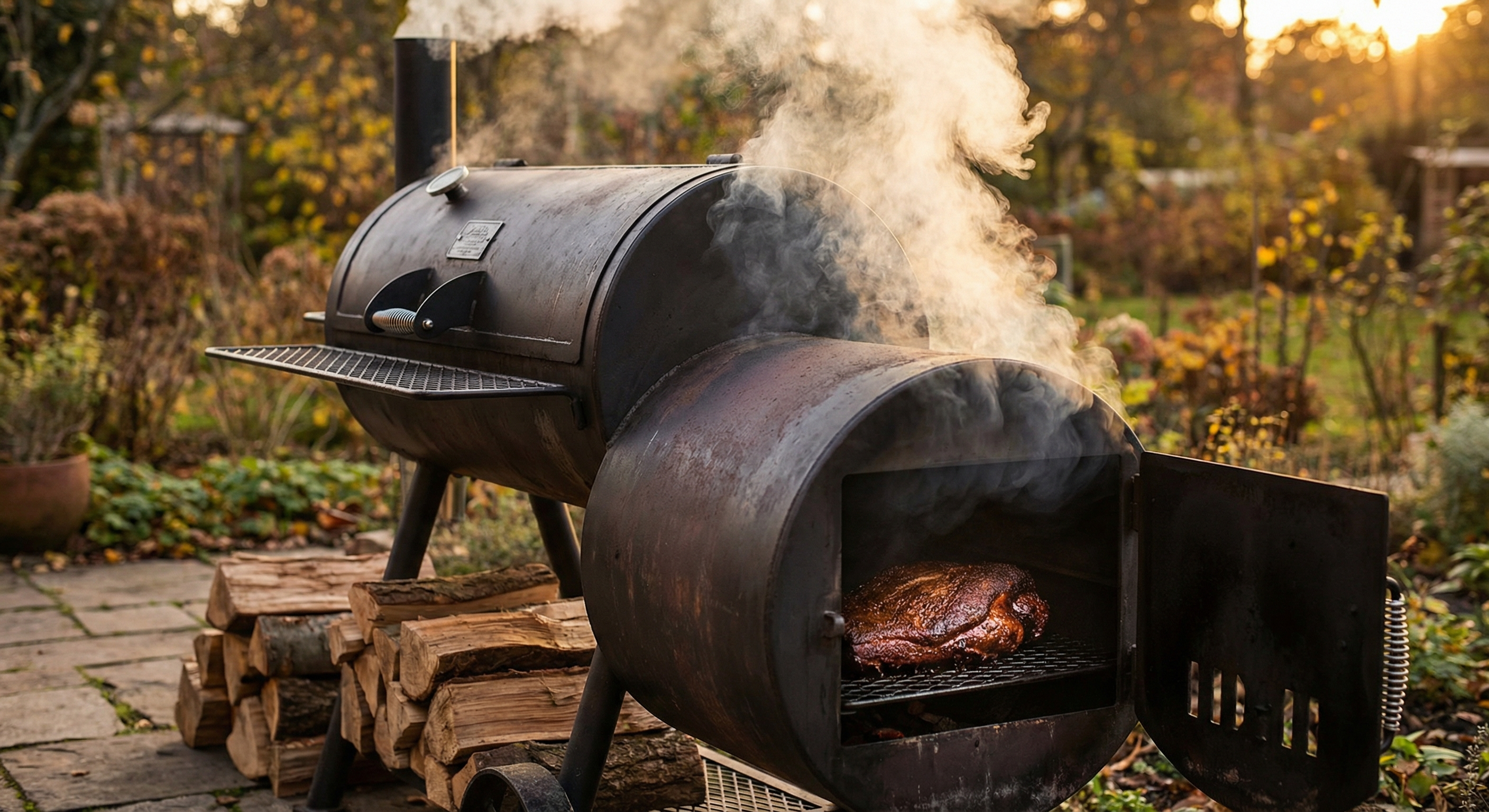
Cold Smoking vs Hot Smoking: The Science, Temperatures, and When to Use Each
Cold smoking and hot smoking use fundamentally different temperature ranges to achieve completely different results. One flavors without cooking. The other does both. Understanding the science behind each method is the difference between artisan-quality smoked food and a food safety disaster.
Read Guide →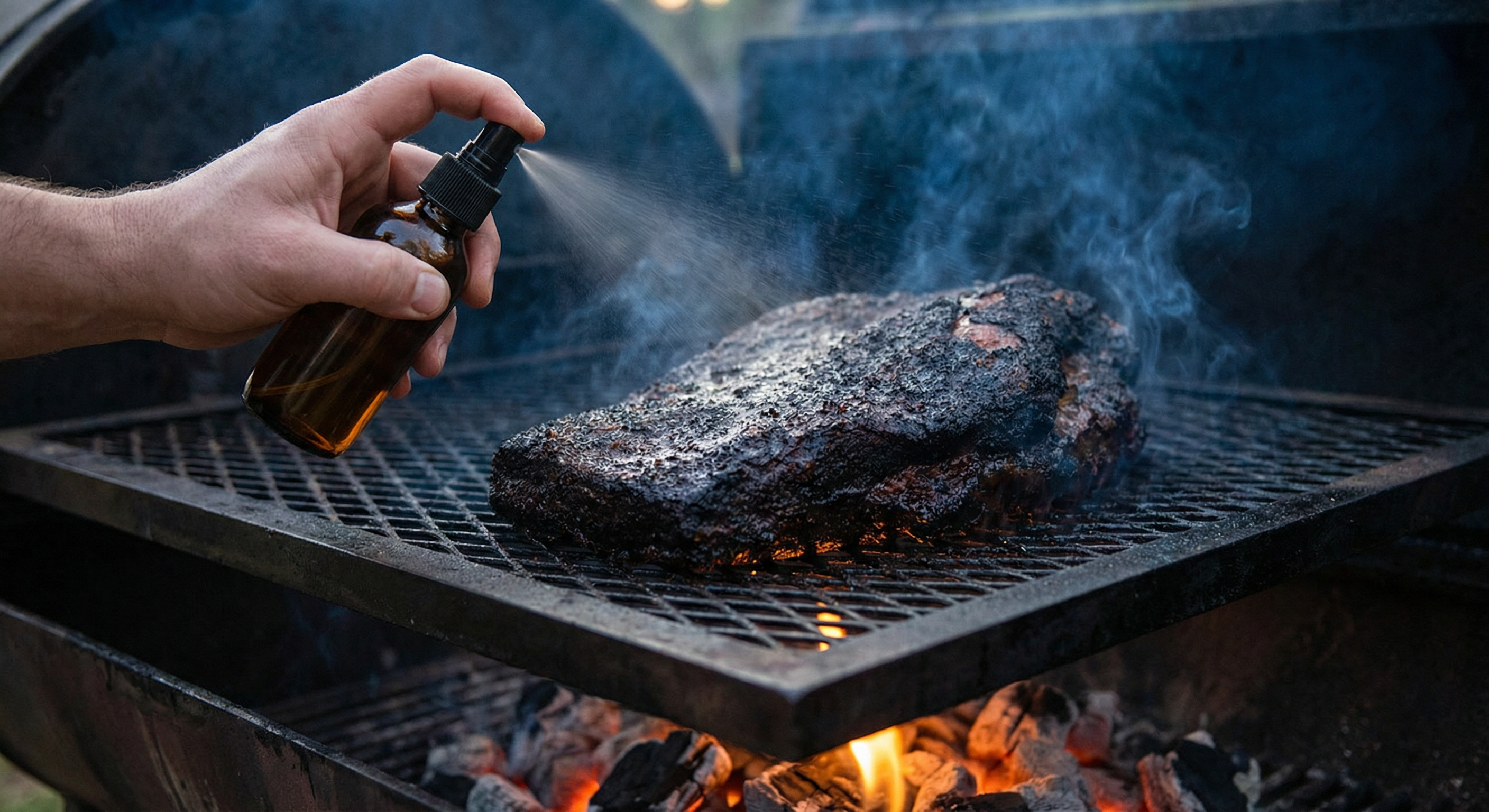
BBQ Spritz and Mop Science: Does Spritzing Actually Help Your Barbecue?
Every pitmaster has an opinion on spritzing. Some spray every 30 minutes like clockwork. Others never open the lid. Here is what the science actually says about moisture, bark, smoke adhesion, and cook time.
Read Guide →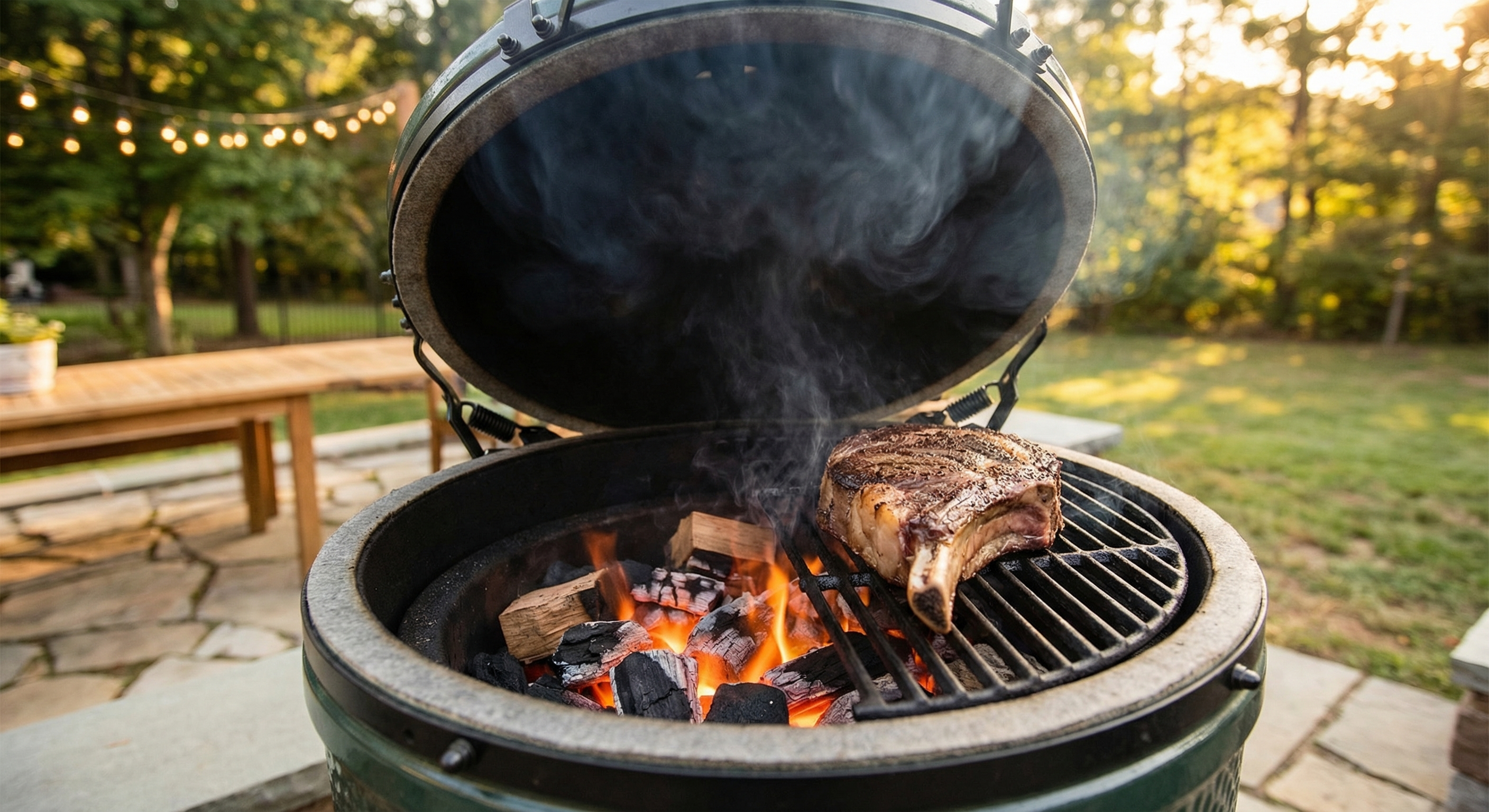
The Science of Kamado Grills: Why Ceramic Cookers Outperform Metal
Kamado grills aren't just trendy — they're thermodynamically superior. Here's the food science behind why ceramic cookers produce better results than metal grills.
Read Guide →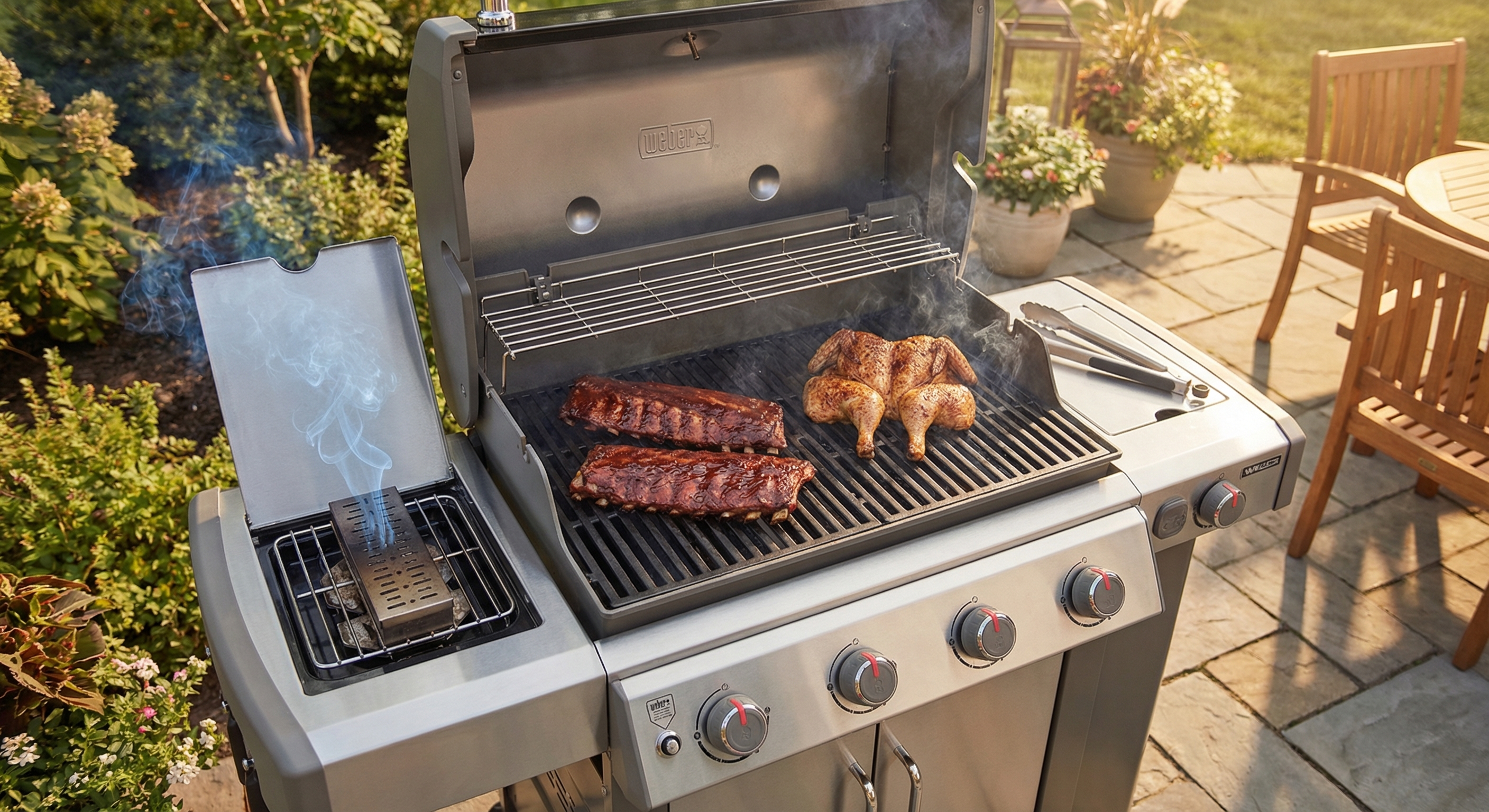
How to Smoke on a Gas Grill: The Complete Science-Backed Guide
You do not need a dedicated smoker to produce real smoked flavor. A standard gas grill, a smoker box, and an understanding of combustion science can deliver authentic smoke rings, bark, and flavor penetration on ribs, brisket, chicken, and pork shoulder.
Read Guide →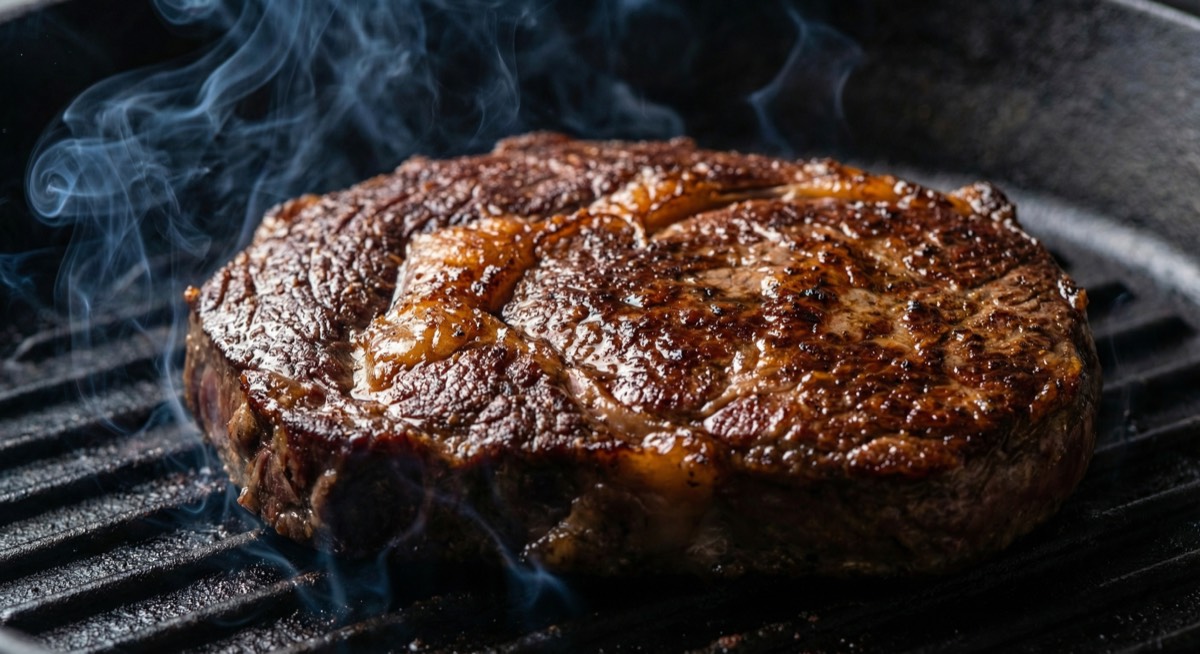
The Maillard Reaction and Grilling: The Science Behind the Perfect Crust
The Maillard reaction is the single most important chemical process in grilling. Here is exactly how it works and how to maximize it for the best crust on every steak.
Read Guide →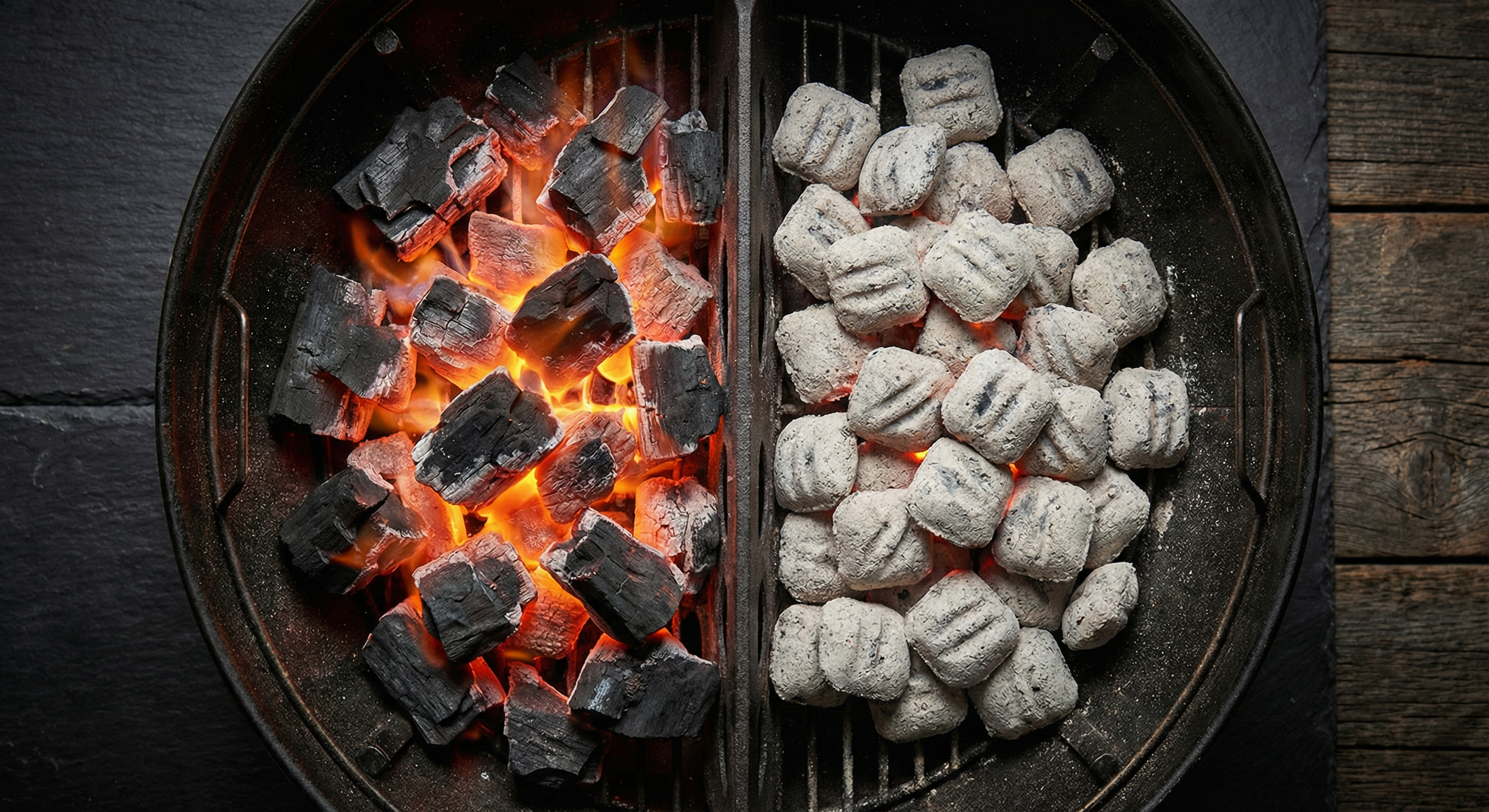
Lump Charcoal vs Briquettes: The Science of Which Burns Better
Lump charcoal and briquettes are fundamentally different fuels. Here is exactly how they differ in burn temperature, duration, ash output, and flavor — and which is better for each type of cook.
Read Guide →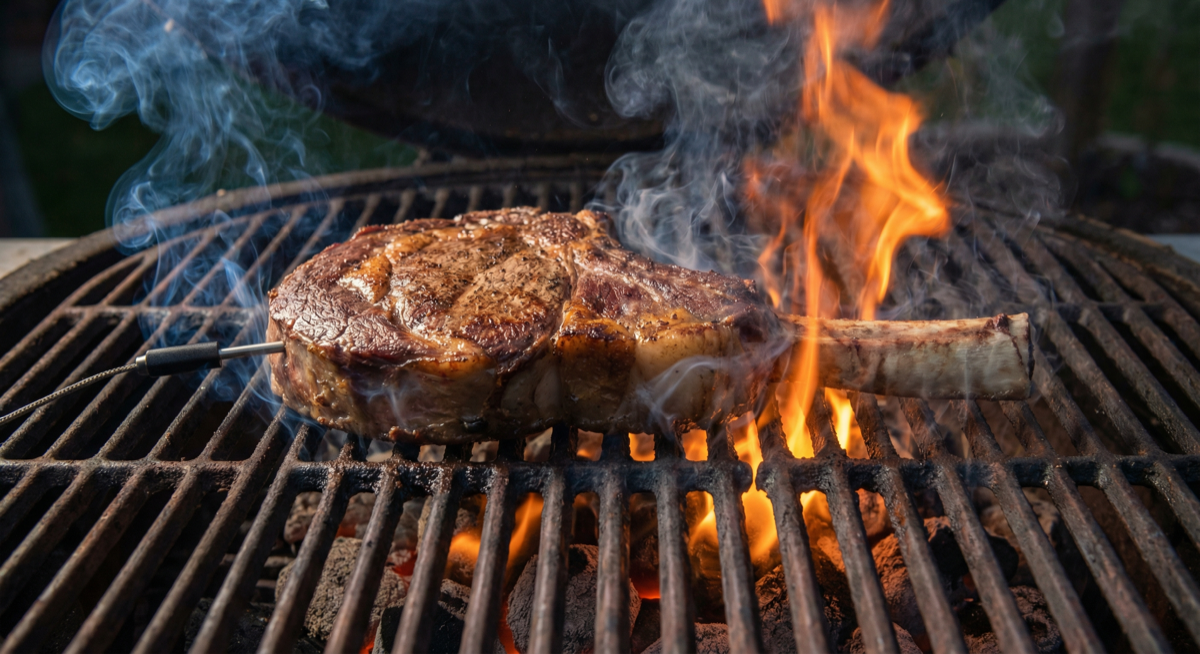
The Science Behind Reverse Searing: Why Low-and-Slow Finishes Win
The reverse sear isn't just a technique; it's thermodynamics in action. Dr. Claire Whitfield breaks down exactly why low-and-slow heat transfer creates a superior steak.
Read Guide →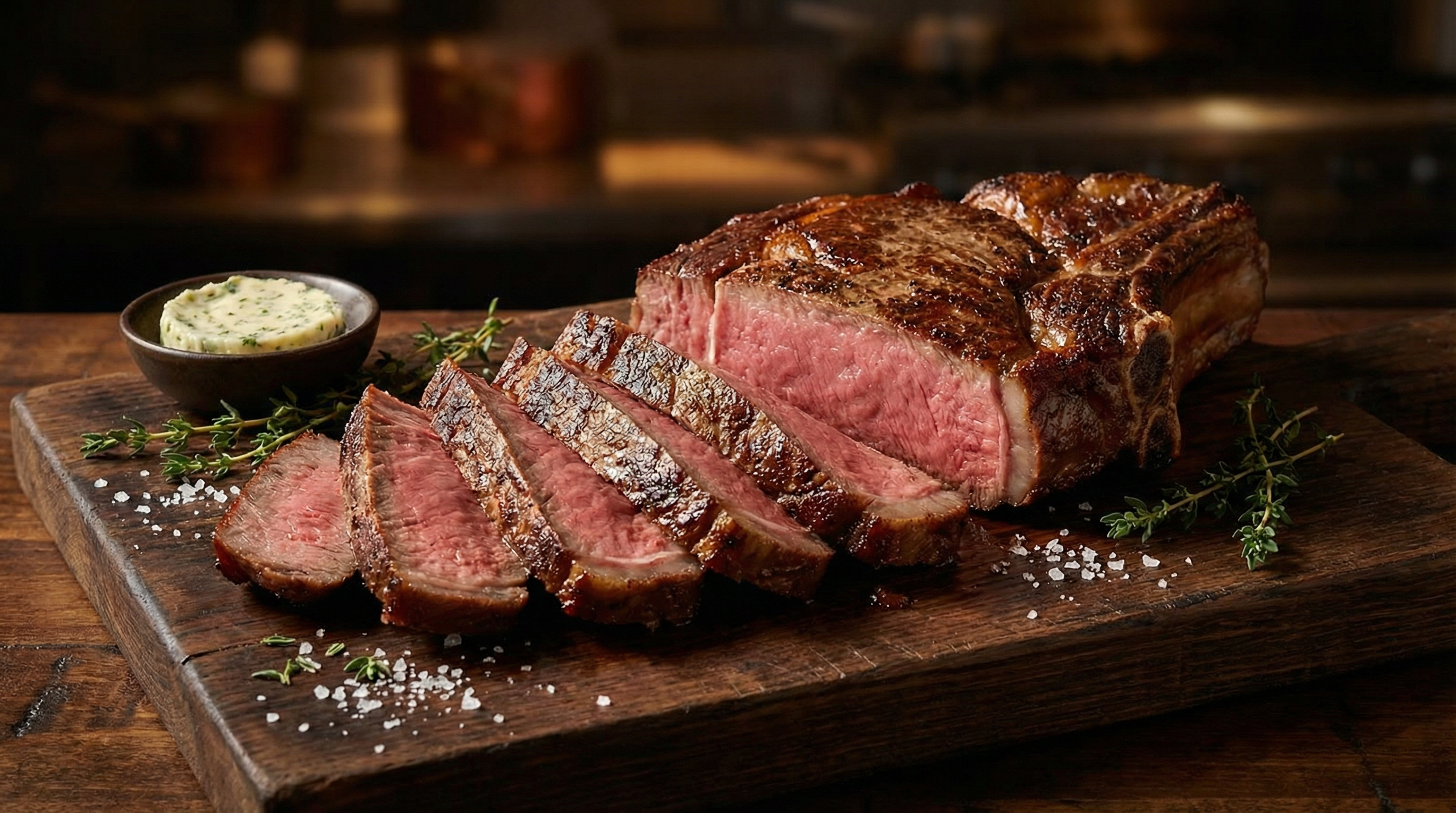
Reverse Sear Ribeye: The Science Behind the Perfect Steak
The reverse sear ribeye isn't just another cooking method—it's the method that changed everything I understood about steak. Edge-to-edge medium-rare with a steakhouse crust.
Read Guide →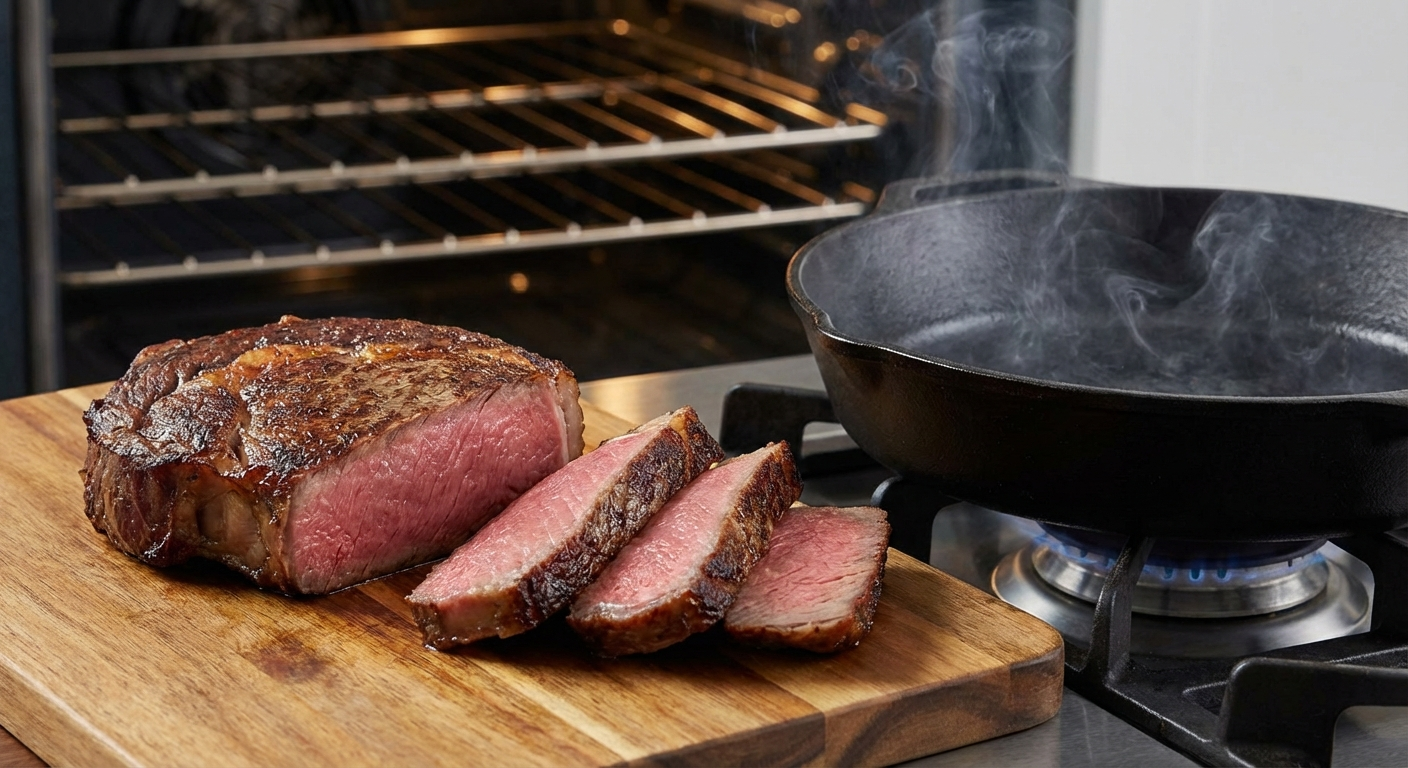
The Reverse Sear Method: A Complete Scientific Guide
The reverse sear produces the most evenly cooked steak possible. Here's the complete science behind the method — thermal gradients, timing, and exactly how to execute it.
Read Guide →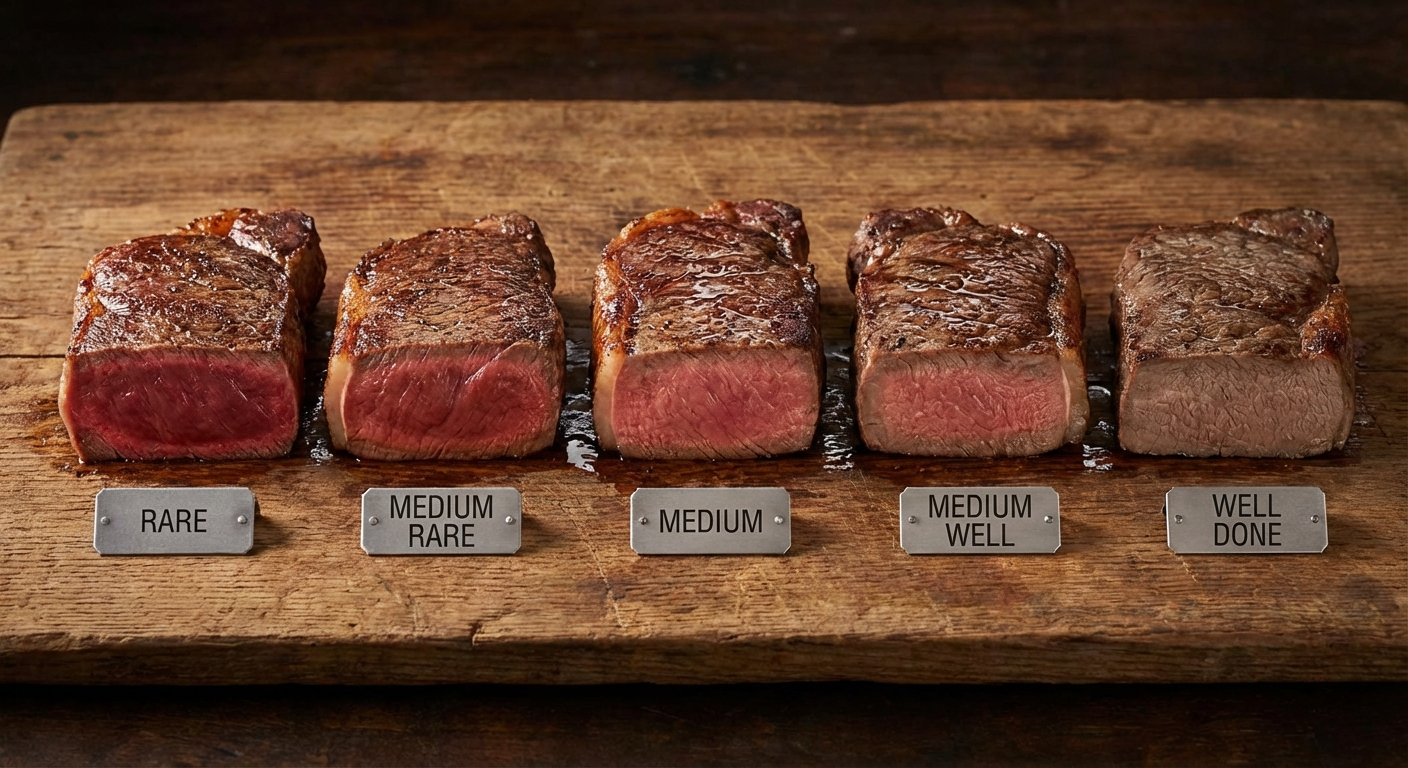
Steak Doneness Temperatures: The Definitive Reference
Forget vague guidelines. Here are the exact internal temperatures for every doneness level, with the science of what happens to your steak at each degree.
Read Guide →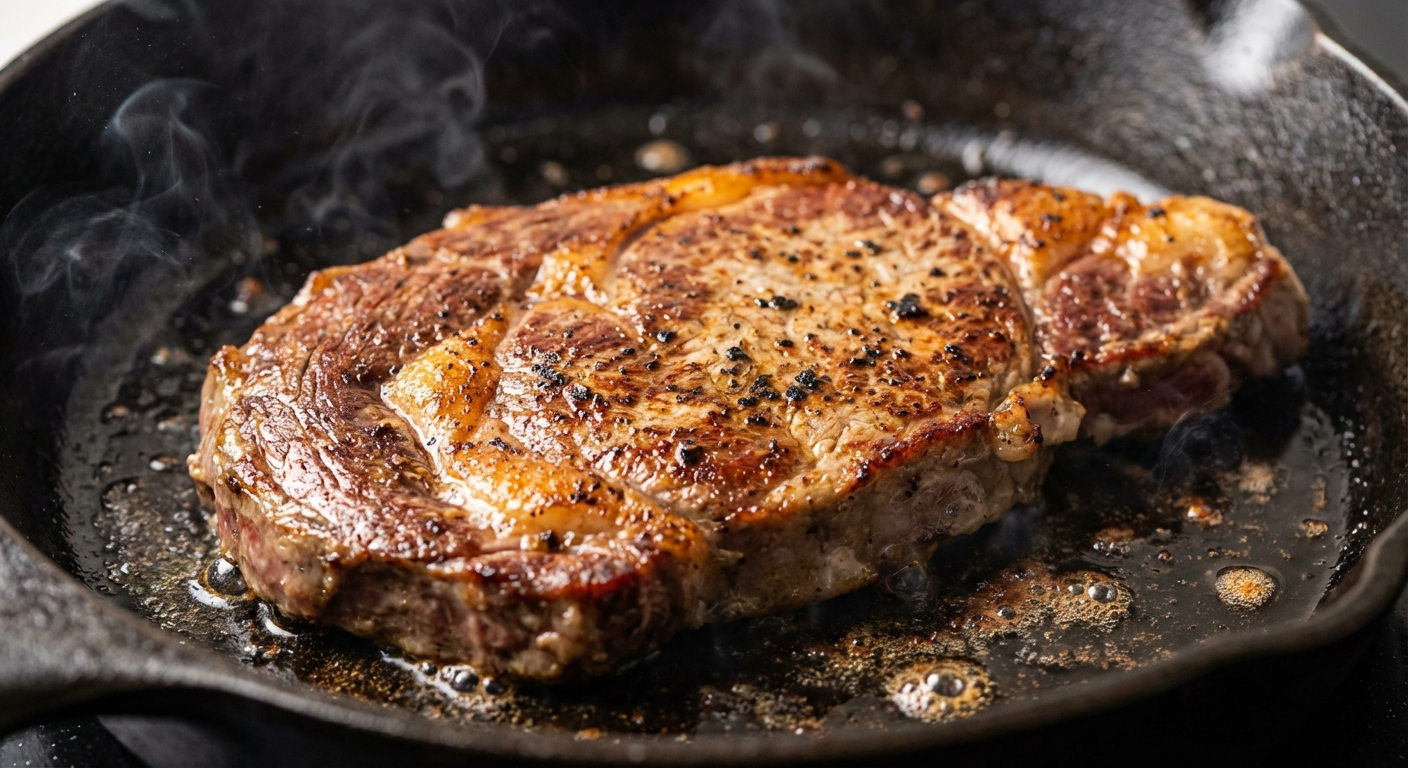
The Maillard Reaction: Why Your Steak Browns (And How to Maximize It)
The Maillard reaction is responsible for the complex, savory flavors in a perfectly seared steak. Here's the organic chemistry — explained without a textbook.
Read Guide →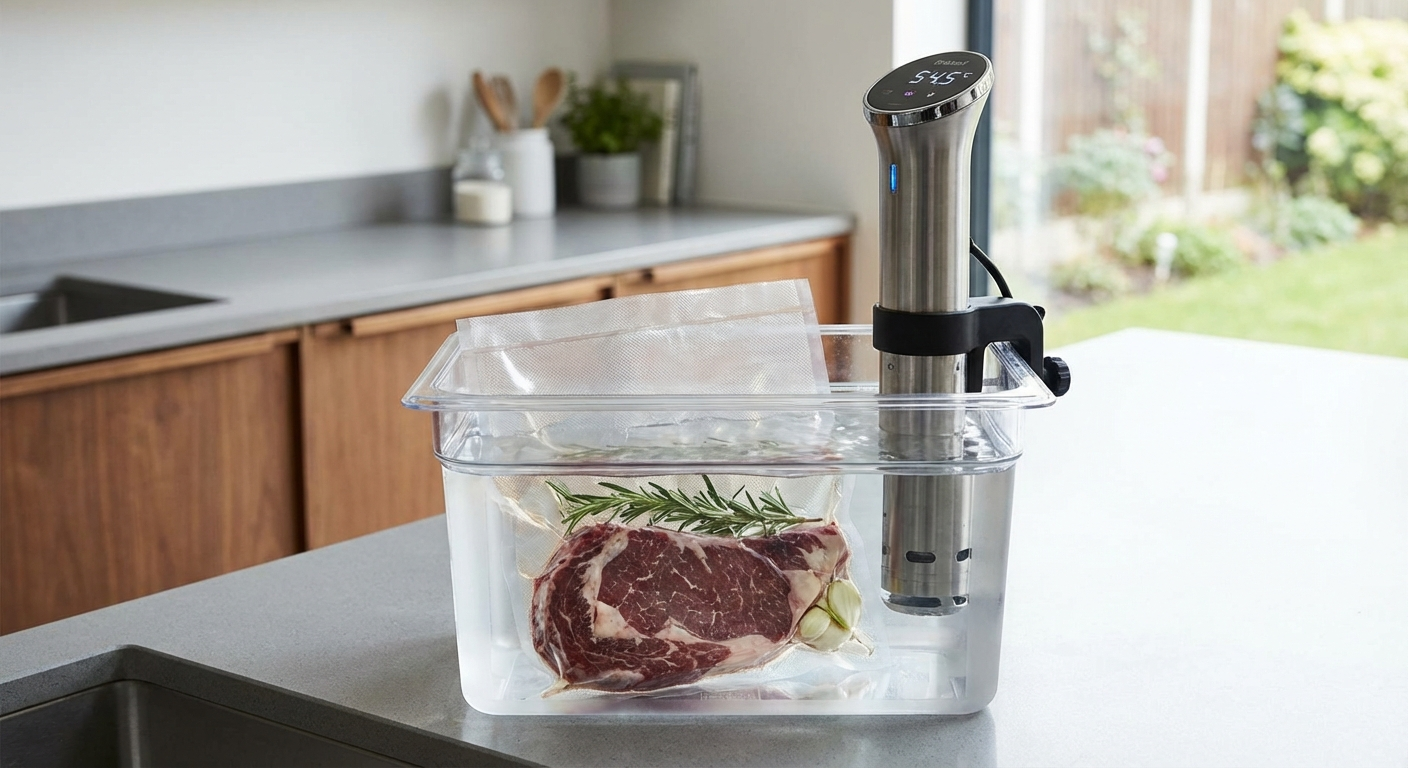
Sous Vide Steak: Precision Cooking From Lab to Kitchen
Sous vide gives you laboratory-level temperature control in your kitchen. Here's how it works, what temperatures to use, and how to get a proper crust afterward.
Read Guide →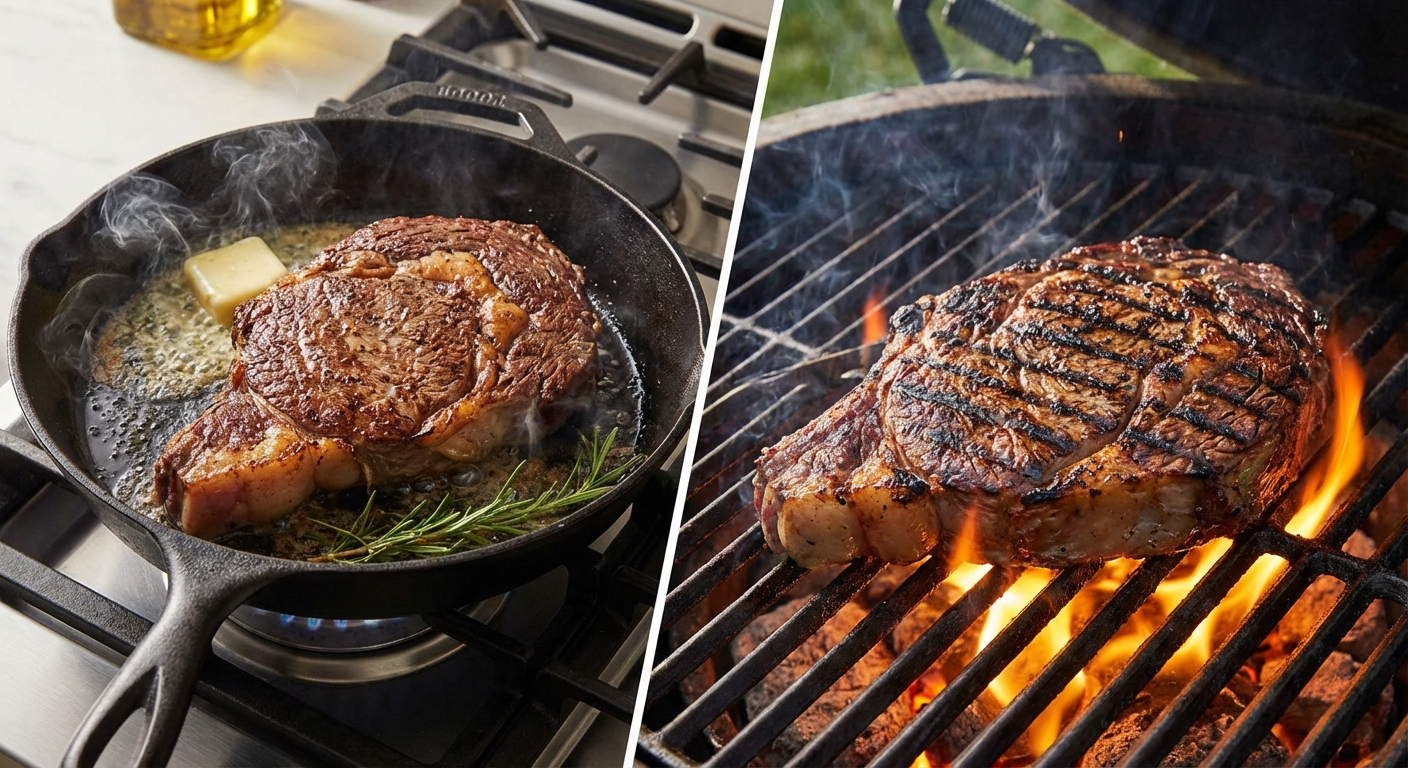
Cast Iron vs Grill: Heat Transfer Science for Perfect Sear
Cast iron and grills transfer heat to your steak through fundamentally different physics. Understanding conduction vs. radiation changes how you cook.
Read Guide →Resting Meat: The Physics of Juice Redistribution
Cutting a steak straight off the heat floods the plate with juice. Resting for 5–10 minutes keeps that moisture in the meat. Here's the physics of why.
Read Guide →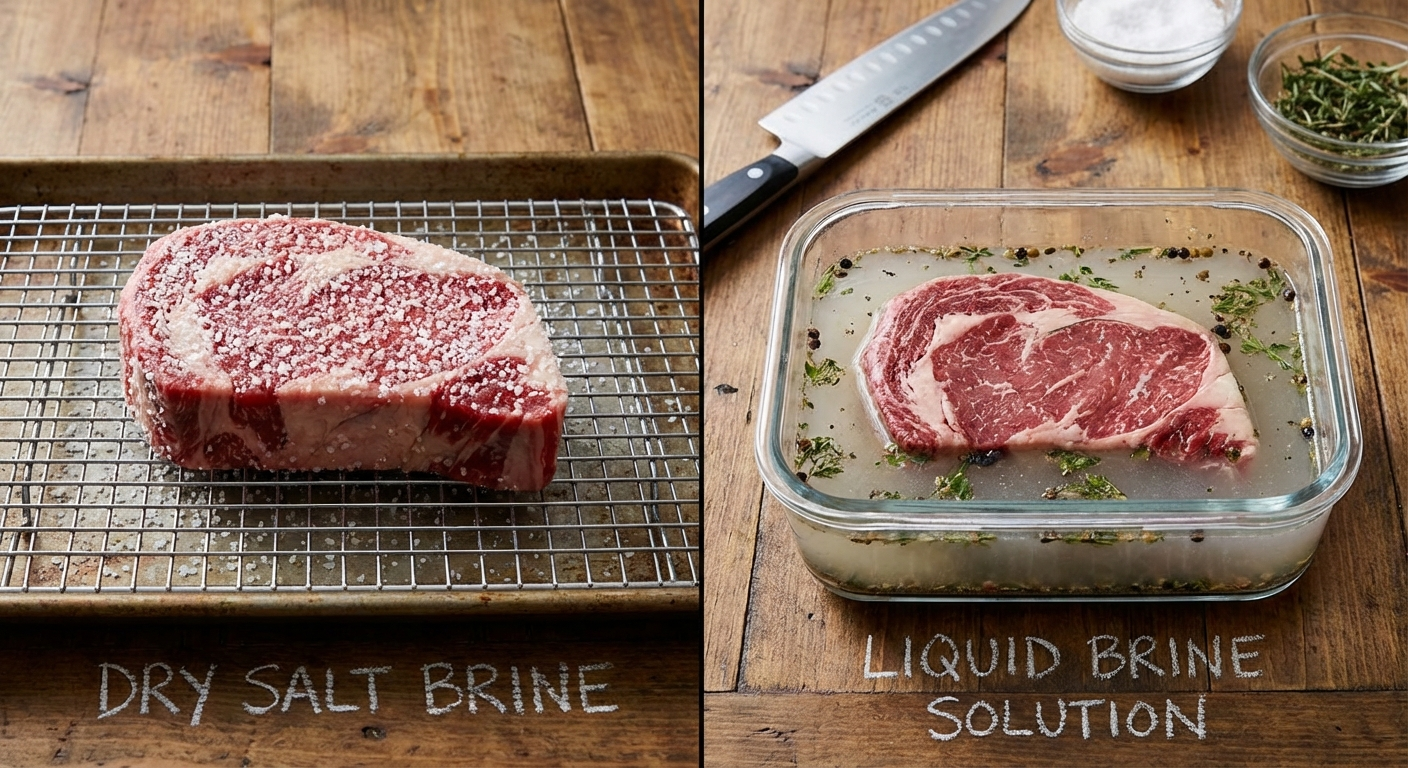
Dry Brining vs Wet Brining: A Comparative Analysis
Dry brining and wet brining both season meat deeply, but they use different mechanisms and produce different results on the crust. Here's the comparative science.
Read Guide →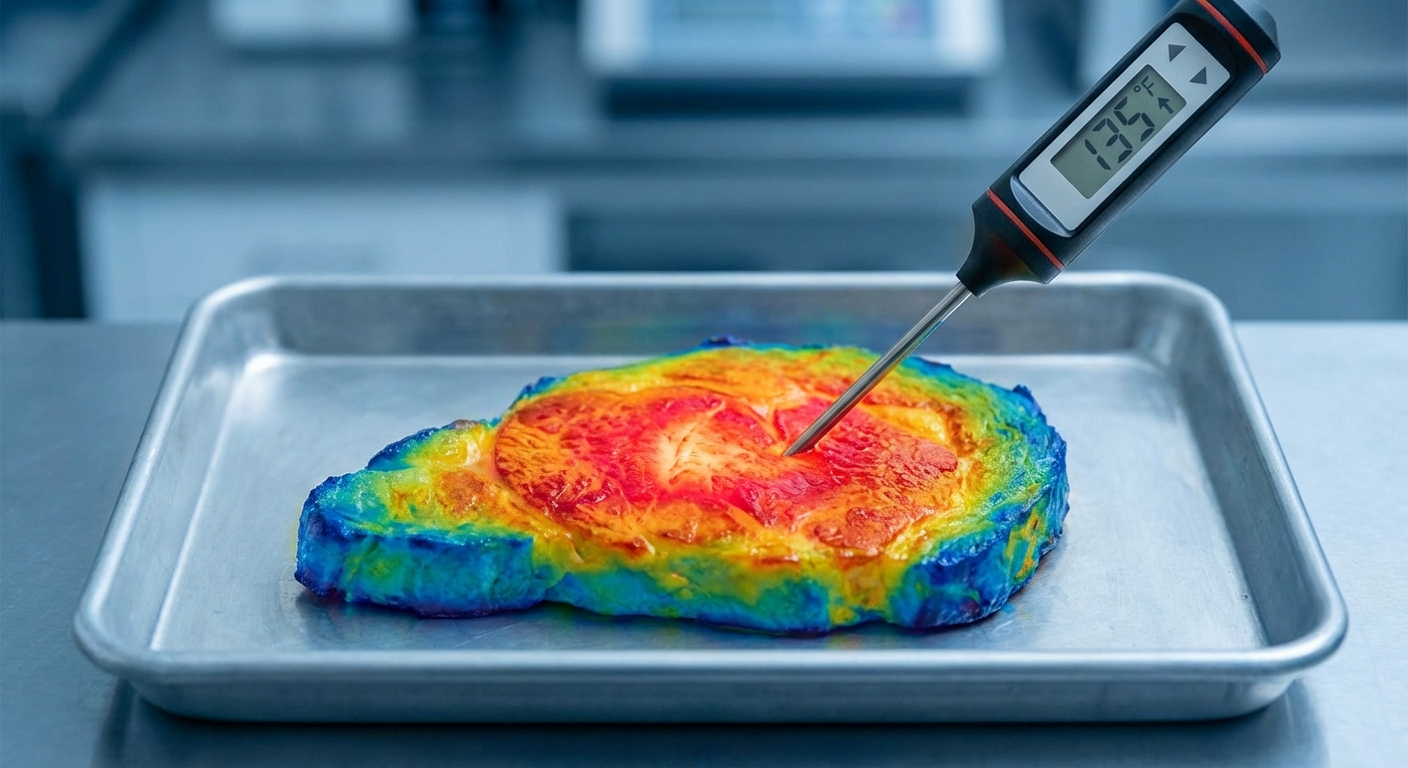
Carryover Cooking: How Temperature Continues Rising After Heat Removal
Remove a steak from the heat at 130°F and it might peak at 140°F. Carryover cooking is the single most common cause of overcooked steak. Here's how to predict and control it.
Read Guide →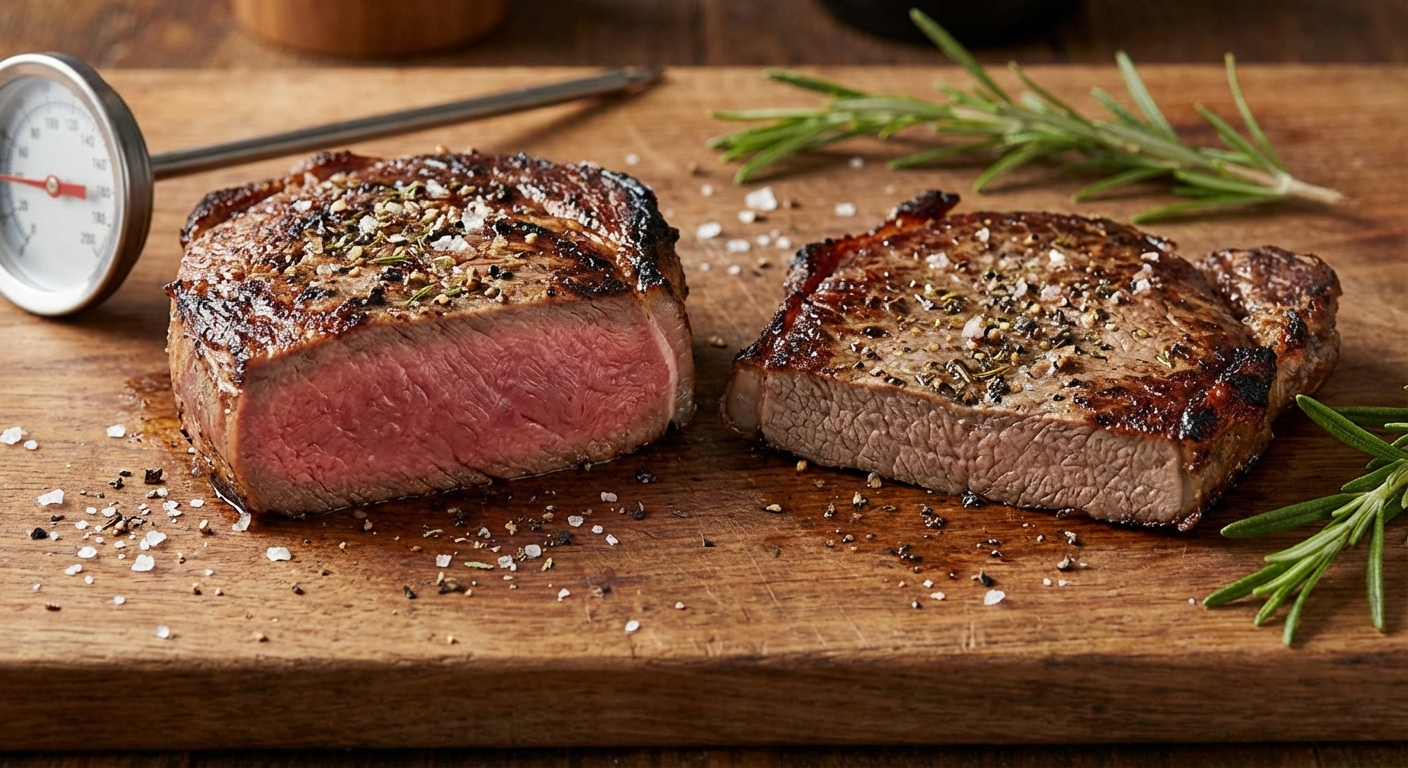
Thick-Cut vs Thin-Cut Steaks: Different Physics, Different Methods
A 2-inch ribeye and a 3/4-inch flank steak are different physics problems. Using the same method for both is a mistake — here's why, and what to do instead.
Read Guide →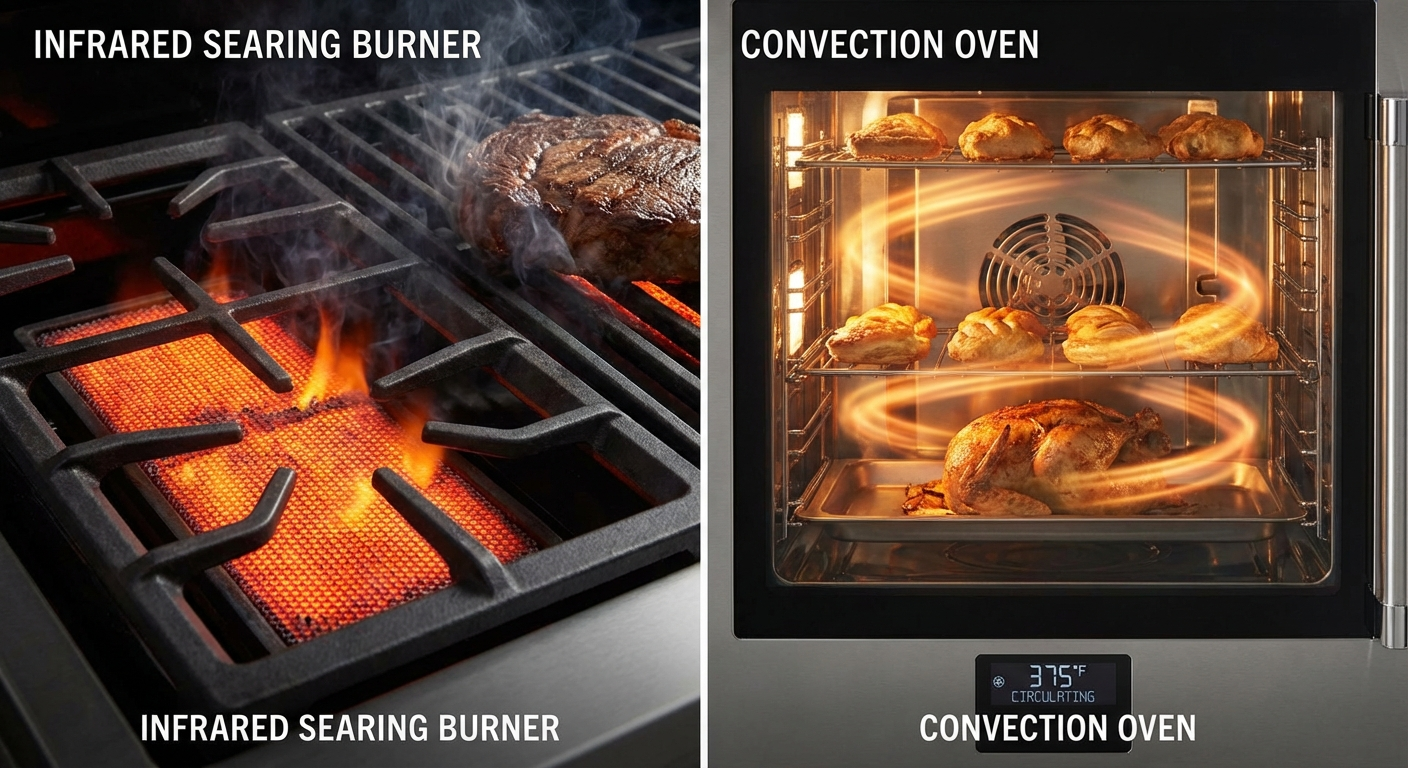
Infrared vs Convection Searing: Which Creates Better Crust?
Infrared searing can hit 1,500°F+ at the surface, but does it produce a better crust than a properly managed charcoal grill? The physics say yes — with caveats.
Read Guide →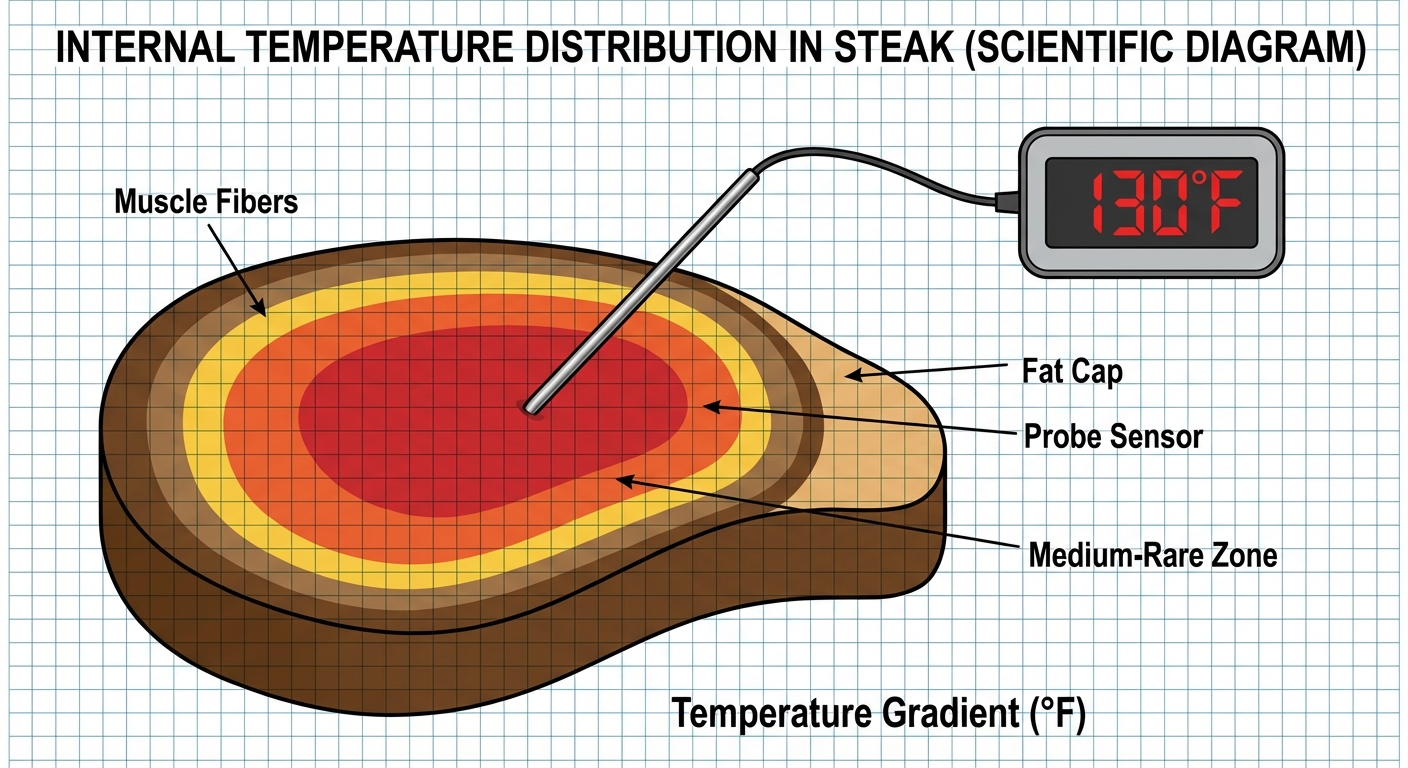
Reverse Sear Ribeye Internal Temp Guide: The Science of Doneness
If you pull your reverse-seared steak at 130°F, you've already ruined it. Here are the scientifically correct pull temperatures to nail medium-rare every time.
Read Guide →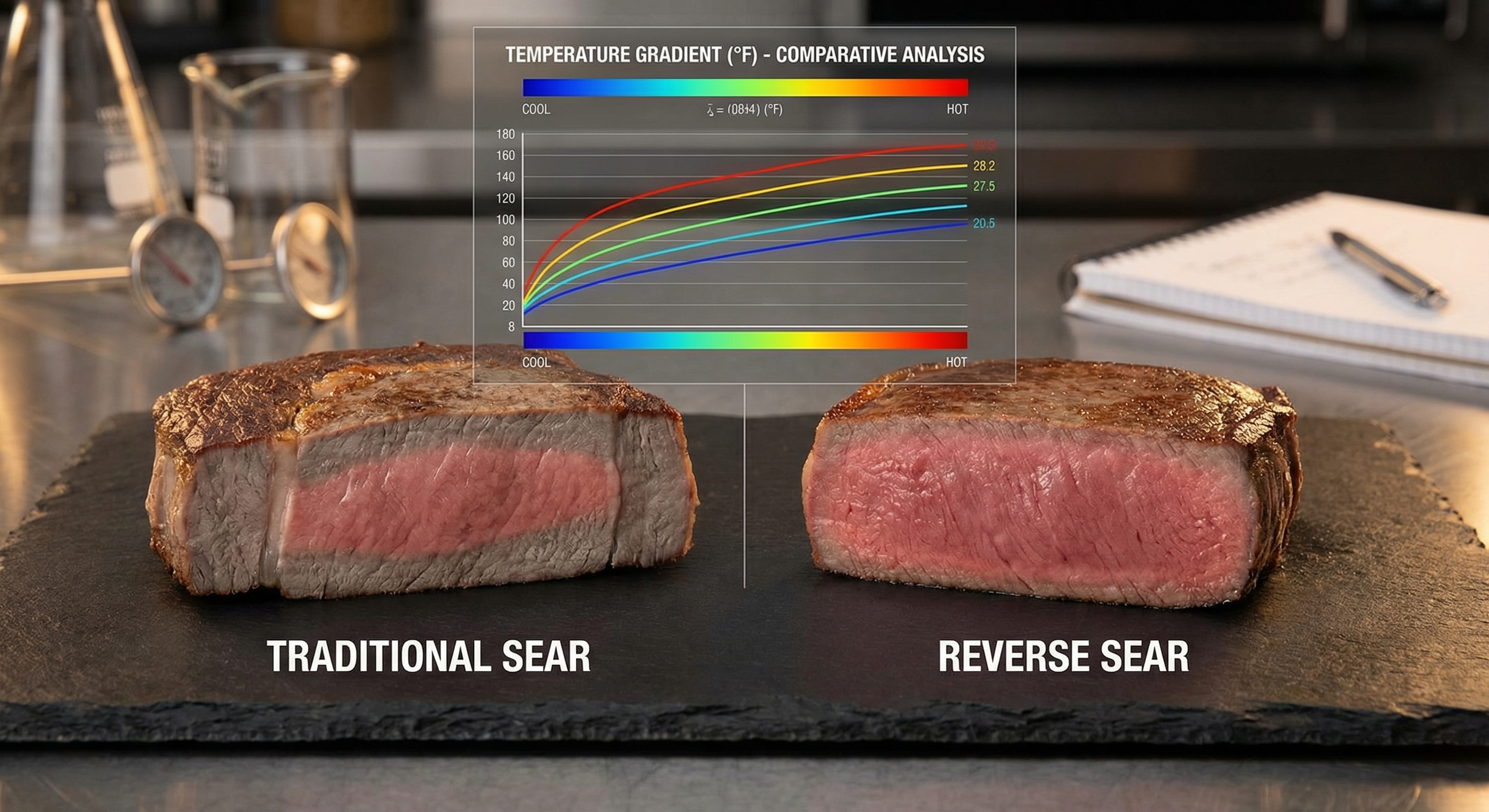
Reverse Sear vs Traditional Sear: The Science of Steak Perfection
As a food scientist, I've measured temperature gradients in thousands of steaks. The data is clear: these two methods produce fundamentally different results. Here's the physics behind why — and which method wins for your steak.
Read Guide →Steak Grilling Temperature Guide: Perfect Doneness Every Time
The difference between a perfectly grilled steak and a mediocre one often comes down to temperature control. Here are the exact grill temps and internal targets for every level of doneness.
Read Guide →