The Maillard Reaction and Grilling: The Science Behind the Perfect Crust
The Maillard Reaction and Grilling: The Science Behind the Perfect Crust
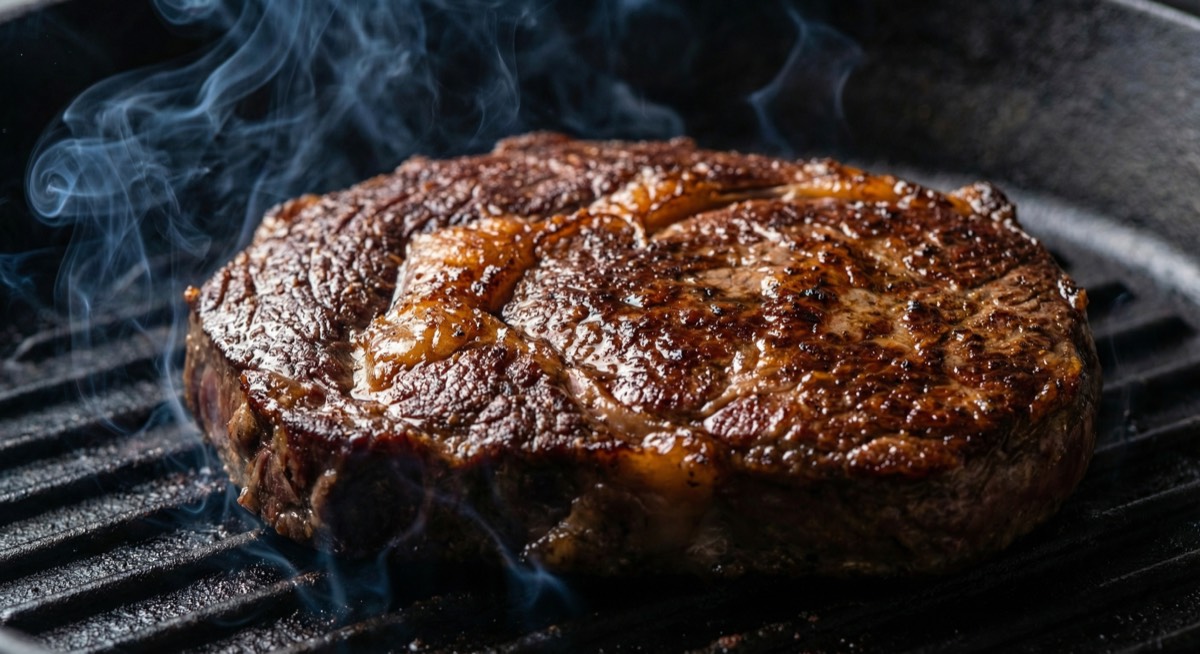
That deep brown crust on a perfectly seared steak is not just color. It is flavor — hundreds of unique aromatic compounds created by one of the most important chemical reactions in cooking.
The Maillard reaction is responsible for the flavor of grilled steak, toasted bread, roasted coffee, and browned butter. Understanding how it works gives you direct control over the most delicious part of any grilled meat.
What Is the Maillard Reaction?
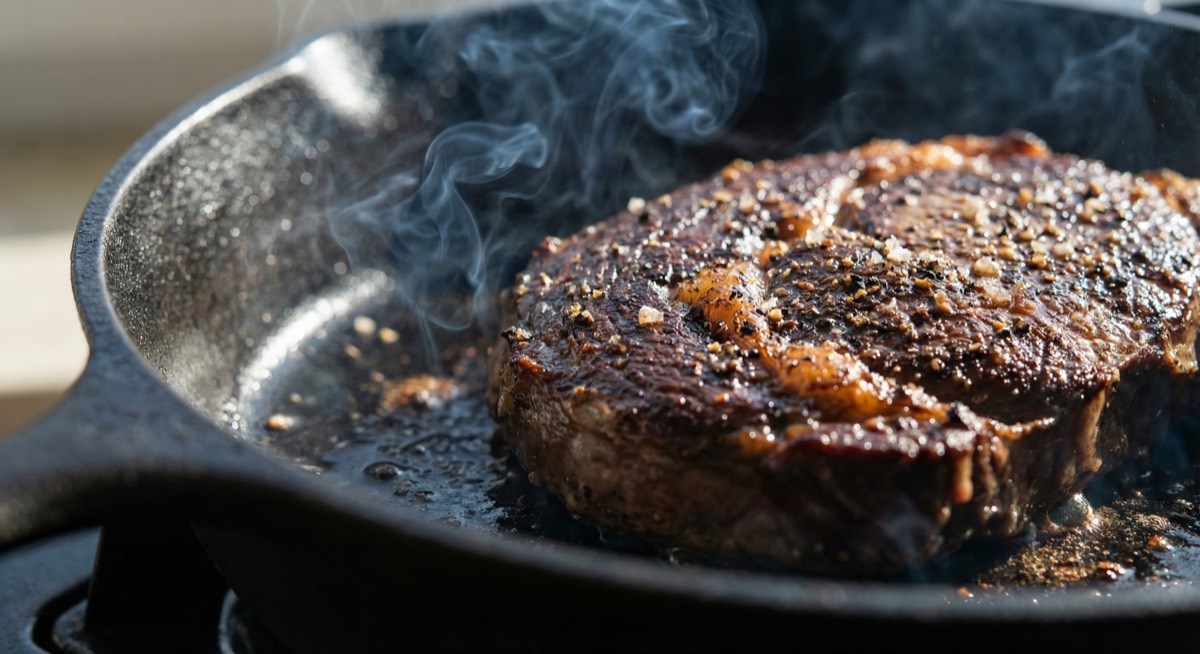
Named after French chemist Louis-Camille Maillard, who first described it in 1912, the Maillard reaction is a chemical reaction between amino acids (from proteins) and reducing sugars when exposed to heat.
In simple terms: when proteins and sugars in meat get hot enough, they rearrange into entirely new molecules — molecules that did not exist in the raw meat. These new compounds are responsible for:
- Color: The deep brown crust (melanoidins)
- Flavor: Hundreds of volatile aromatic compounds — nutty, roasted, savory, caramelized, meaty
- Aroma: That intoxicating smell when meat hits a hot grill
The Maillard reaction is not the same as caramelization (which involves only sugars, no proteins) or burning (which is pyrolysis — destructive decomposition). It is its own distinct chemistry, and it is the primary source of grilled meat flavor.
The Temperature Window
The Maillard reaction begins around 280°F (140°C) and accelerates rapidly above 330°F (165°C). The sweet spot for maximum flavor development without burning is:
300-500°F (150-260°C) surface temperature
Below 280°F, the reaction is too slow to produce meaningful browning in a reasonable time. Above 500°F, you risk crossing from Maillard (delicious) into pyrolysis (bitter, carcinogenic). The goal is to keep the meat's surface in the Maillard zone long enough to build a deep crust without overcooking the interior.
Why Surface Temperature Matters More Than Grill Temperature
Your grill might read 600°F, but the surface of the meat is much cooler — especially if the meat is wet. Water on the surface caps temperature at 212°F (100°C) until it evaporates. This is the single biggest enemy of a good sear.
Until every drop of surface moisture is gone, no Maillard reaction occurs. The meat steams instead of searing. This is why:
- Patting meat dry before grilling is critical
- Salting in advance (45+ minutes or overnight) draws moisture to the surface, which then reabsorbs or evaporates, leaving a drier surface
- Uncovered resting on a rack in the fridge for 1-24 hours creates the driest possible surface (the "dry brine" technique)
The Five Factors That Control the Maillard Reaction
1. Surface Dryness
As discussed above, moisture is the enemy. A dry surface reaches Maillard temperatures in seconds. A wet surface wastes energy evaporating water — energy that should be building crust.
Technique: Pat steaks aggressively dry with paper towels immediately before grilling. For maximum effect, salt the steak and leave it uncovered on a wire rack in the refrigerator for 4-24 hours.
2. Heat Intensity
Higher heat accelerates the Maillard reaction. This is why a 700°F cast iron produces a better sear than a 400°F grill grate — the higher the heat, the faster the surface reaches Maillard temperatures and the quicker the crust forms (before the interior overcooks).
Technique: Preheat your grill grates or cast iron until they are screaming hot. For charcoal, bank coals to one side to create a high-heat zone. For gas, max out the burners for at least 15 minutes with the lid closed.
3. Contact
The Maillard reaction happens where meat touches a hot surface. More contact = more crust. This is why cast iron and flat-top griddles produce better sears than grill grates — the flat surface contacts 100% of the meat instead of just the narrow strips where grate meets flesh.
Technique: Press steaks gently onto the cooking surface for full contact. On grill grates, avoid moving the steak for the first 2-3 minutes — let the crust form completely before flipping.
4. Sugar Content
The Maillard reaction requires reducing sugars. Meat naturally contains some (from glycogen in the muscle), but you can boost browning by adding sugar to the surface:
- A light dusting of sugar in your rub (common in BBQ)
- Glazes containing honey, maple, or brown sugar
- Soy sauce or fish sauce (contain sugars from fermentation)
Caution: Added sugar burns at lower temperatures than the Maillard reaction of proteins alone. Use it for lower-and-slower applications, not screaming-hot searing.
5. pH (Alkalinity)
The Maillard reaction accelerates in alkaline (higher pH) environments. This is the science behind two advanced techniques:
- Baking soda treatment: A light sprinkle of baking soda (1/4 teaspoon per pound) on steak 15-20 minutes before cooking raises the surface pH, accelerating browning. Rinse and pat dry before grilling. The crust will be darker and more flavorful in less time.
- Egg white wash: Some competitive barbecue teams brush a thin egg white wash on brisket before applying rub. The proteins in egg white enhance Maillard browning.
Maillard vs Caramelization vs Charring
These three processes look similar but are chemically distinct:
| Process | What Reacts | Temperature | Result |
|---|---|---|---|
| Maillard Reaction | Amino acids + sugars | 280-500°F | Brown crust, complex savory flavors, hundreds of aromatics |
| Caramelization | Sugars only (no protein) | 320-400°F | Sweet, nutty, butterscotch flavors, golden-brown color |
| Pyrolysis (charring) | Any organic matter | 500°F+ | Black carbon, bitter flavors, carcinogenic compounds |
On a grilled steak, all three can occur simultaneously in different zones. The deep brown crust is Maillard. Any slightly sweet caramel notes are caramelization. The black bits on the edges are pyrolysis. The goal is to maximize Maillard and minimize pyrolysis.
Practical Application: Building the Perfect Crust
For a Thick Steak (1.5 inches+)
- Dry brine: Salt generously, place on a wire rack uncovered in the fridge for 4-24 hours.
- Temper: Remove from fridge 30-45 minutes before cooking. Pat dry again.
- Season: Coarse black pepper and any other dry seasoning. No oil on the meat (oil creates a barrier).
- Sear first (or reverse sear):
- Traditional sear-first: Screaming hot grill or cast iron (600°F+). Sear 2-3 minutes per side. Move to indirect heat to finish to target internal temp.
- Reverse sear (recommended): Cook low (225-275°F indirect) until 10-15°F below target internal temp. Remove, rest 5 minutes, then sear on max heat for 60-90 seconds per side. This produces the most even cook AND the best crust because the surface is bone dry after the low-heat phase.
- Butter baste (optional): In the last 30 seconds, add butter, garlic, and thyme to the pan. Spoon the foaming butter over the steak. Butter's milk proteins undergo their own Maillard reaction, adding another layer of flavor.
For Thin Steaks (under 1 inch)
Thin steaks need maximum heat and minimum time. The challenge is building a crust before the interior overcooks.
- Get your cooking surface as hot as physically possible (cast iron preferred).
- Pat the steak extremely dry.
- Optional: light baking soda treatment (accelerates browning in less time).
- Sear 90 seconds per side, max. Do not flip more than once.
- Rest 5 minutes.
For Burgers
Smash burgers exist specifically to maximize the Maillard reaction. A thin patty pressed firmly onto a screaming hot flat surface has maximum contact area. The result is a lacy, deeply crusted burger with more Maillard flavor per bite than any thick patty could achieve.
- Flat-top griddle or cast iron at 500°F+.
- Loose ball of ground beef (do not pre-form patties).
- Smash with a rigid press within the first 30 seconds (before proteins set).
- Season the top while the bottom crusts (2-3 minutes).
- Flip once. Add cheese. Cook 1 minute more.
Common Mistakes That Kill Your Crust
- Not drying the surface: The number one mistake. Wet meat steams. Dry meat sears.
- Cold cooking surface: If the grill or pan is not hot enough, the steak sits at steaming temperatures too long. Preheat aggressively.
- Overcrowding the grill: Too many steaks drop the surface temperature. Cold meat absorbs heat from the cooking surface. Leave space between pieces.
- Flipping too often: Each flip resets the contact time. Let the crust form fully (2-3 minutes minimum) before flipping.
- Oiling the meat instead of the grate: Oil on the meat creates a thin barrier that inhibits direct contact. Oil the grill grates instead, or better yet, use a dry cast iron with no oil.
- Adding sauce too early: Wet sauces (BBQ sauce, marinades) lower surface temperature and prevent browning. Apply sauces in the final minutes only.
- Closing the lid too early: For searing, you want direct radiant heat, not convective oven heat. Keep the lid open during the sear phase.
The Role of Fat in Browning
Fat itself does not undergo the Maillard reaction (no amino acids). But it plays two critical supporting roles:
- Heat transfer: Fat fills the microscopic gaps between meat and cooking surface, improving contact and heat conduction. This is why a well-marbled American Wagyu ribeye sears more evenly than a lean eye of round.
- Flavor carrier: Many Maillard reaction products are fat-soluble. The fat in the crust captures and concentrates these flavor compounds, delivering them to your taste buds more efficiently.
This is one reason wagyu steaks taste so remarkably rich when seared — the intramuscular fat acts as both a heat conductor and a flavor amplifier for Maillard compounds.
Advanced: Enzymatic Browning Enhancement
For the truly obsessive (and we say that with respect):
- Koji rice (Aspergillus oryzae): Rubbing ground koji rice onto steak and aging 24-48 hours in the fridge pre-digests surface proteins into free amino acids. More free amino acids = more Maillard reactants = deeper, more complex crust. This technique is increasingly popular in fine dining.
- Fish sauce or soy sauce marinade: Both contain high concentrations of free amino acids and sugars from fermentation. A light brush accelerates surface browning.
- Dry-aged beef: The aging process naturally breaks down proteins into free amino acids on the surface. This is one reason dry-aged steaks develop a more intense crust than fresh steaks — they have more Maillard fuel available.
The Bottom Line
The Maillard reaction is not complicated. It is proteins plus sugars plus heat. But understanding the details — surface dryness, temperature, contact, pH — gives you the tools to build a crust that transforms a good steak into an extraordinary one.
Dry your meat. Get your surface screaming hot. Make full contact. And let the chemistry do its work.
Frequently Asked Questions
What temperature does the Maillard reaction start?
The Maillard reaction begins around 280°F (140°C) and accelerates rapidly above 330°F (165°C). The optimal range for grilling is 300-500°F surface temperature. Below 280°F, browning is too slow. Above 500°F, you risk crossing into pyrolysis (charring), which produces bitter, burnt flavors.
Is the Maillard reaction the same as caramelization?
No. The Maillard reaction involves amino acids (from proteins) reacting with reducing sugars, producing complex savory, nutty, and roasted flavors. Caramelization involves only sugars (no protein) and produces sweet, butterscotch-like flavors. Both can occur simultaneously on grilled meat.
Why is my steak not getting a good crust?
The most common cause is surface moisture. Water caps the surface temperature at 212°F, well below the 280°F minimum for the Maillard reaction. Pat your steak aggressively dry before grilling. Other causes include insufficient heat (preheat longer), overcrowding the grill, or flipping too frequently.
Does the Maillard reaction make food unhealthy?
The Maillard reaction itself produces flavors that are generally safe. However, at very high temperatures (above 500°F), the reaction can cross into pyrolysis, which produces polycyclic aromatic hydrocarbons (PAHs) and heterocyclic amines (HCAs) — compounds linked to health risks. The key is browning, not blackening.
How do you get better browning on a steak?
Five factors control browning: (1) dry the surface thoroughly, (2) use high heat, (3) maximize surface contact (cast iron beats grill grates), (4) do not flip too often (let crust build 2-3 minutes), and (5) optionally treat the surface with baking soda to raise pH and accelerate the reaction.
What is the baking soda trick for steak?
Sprinkling a small amount of baking soda (1/4 teaspoon per pound) on steak 15-20 minutes before cooking raises the surface pH, which accelerates the Maillard reaction. This produces a darker, more flavorful crust in less time. Rinse and pat dry before cooking to avoid a soapy taste.
More Expert Guides
Steak Doneness Temperature Guide: The Science of Every Level from Rare to Well Done
Every degree matters. This science-backed guide covers the exact internal temperatures for every steak doneness level, why each temperature produces a different texture, and how to nail your target every time.
14 min readDirect vs Indirect Heat Grilling: The Science of Two-Zone Cooking
Direct heat sears. Indirect heat roasts. Understanding the physics of each — and when to combine them — is the foundation of every great grilling technique.
14 min readResting Meat After Cooking: The Science of Why It Makes Every Steak Juicier
Resting meat after cooking is not optional — it is physics. Here is exactly what happens inside the steak during those crucial minutes and how long to rest every cut.