Smoking Wood Flavor Guide: The Science of How Wood Creates Flavor
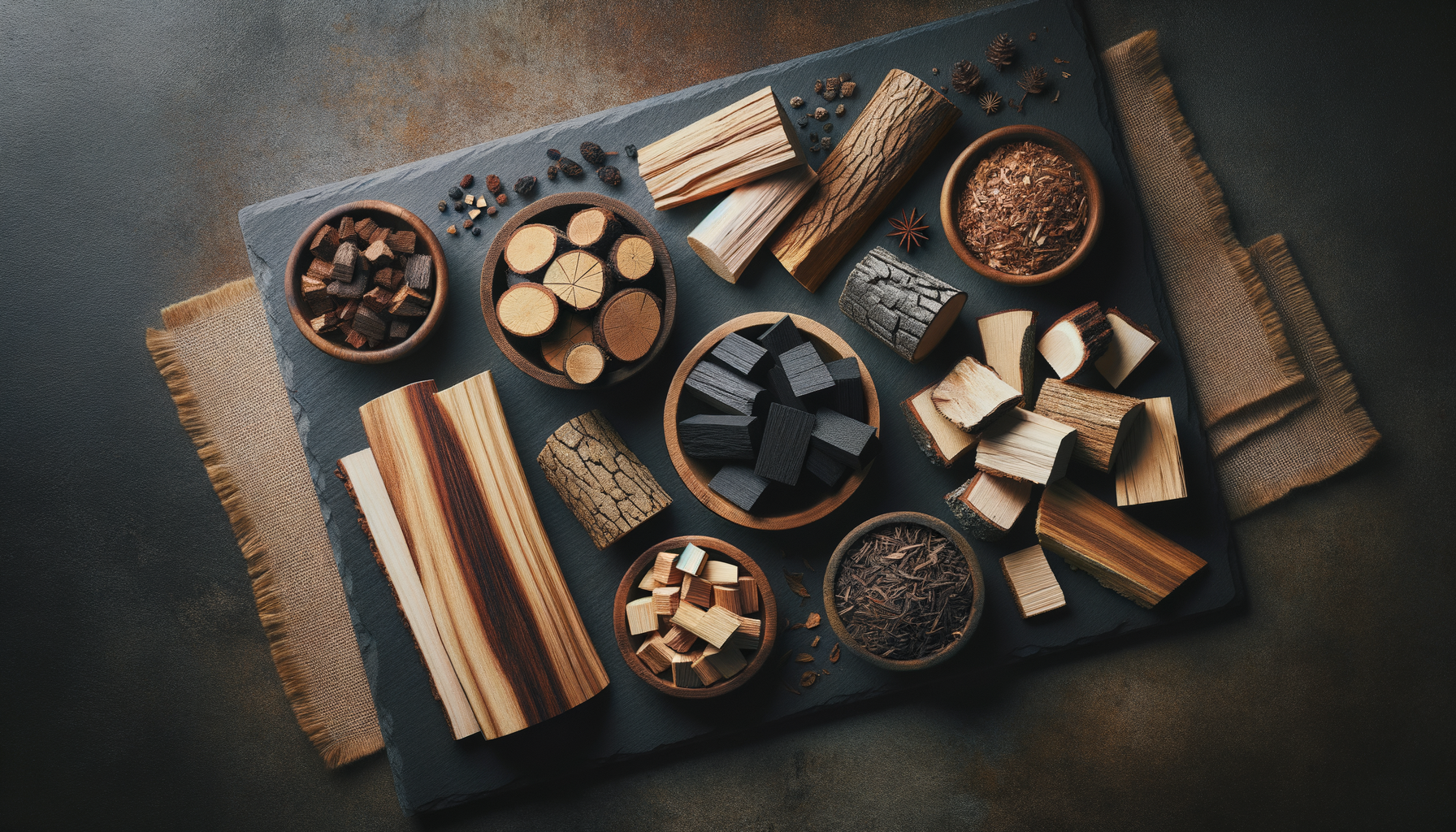
Smoking Wood Flavor Guide: The Science of How Wood Creates Flavor
Walk into any barbecue forum and you will find endless arguments about which wood is "best" for smoking. Hickory loyalists, mesquite purists, fruitwood evangelists — everyone has an opinion. But the science of wood smoke flavor is not a matter of opinion. It is organic chemistry, and it is well understood.
When wood burns, it does not simply produce "smoke." It releases hundreds of volatile organic compounds — phenols, carbonyls, organic acids, furans, and syringols — each contributing a specific flavor, aroma, or color to the meat. The type of wood determines the ratio of these compounds. That ratio is why hickory tastes different from cherry, and why mesquite can overpower a delicate piece of fish.
This guide explains the combustion chemistry behind wood smoke, profiles the most common smoking woods by their chemical composition, and provides evidence-based pairing recommendations for every major protein.
How Wood Produces Flavor: Combustion Chemistry
Wood is composed of three primary structural polymers: cellulose (40–50%), hemicellulose (20–30%), and lignin (20–30%). Each decomposes at different temperatures and produces different flavor compounds.
Cellulose and Hemicellulose (The Sweet and Tangy Compounds)
Cellulose and hemicellulose are complex carbohydrates — chains of sugar molecules. When they decompose during combustion (between 400–600°F), they break down into:
- Furans and furanones: Sweet, caramel-like, bread-crust aromas
- Organic acids: Acetic acid (vinegar-like tartness) and formic acid
- Carbonyls: Aldehydes and ketones that contribute to golden-brown color development on the meat surface
- Glycolaldehyde: A key compound that reacts with amino acids on the meat surface to produce Maillard-type browning — essentially the same chemistry as searing, but driven by smoke deposition instead of direct heat
Hemicellulose decomposes at lower temperatures than cellulose (around 400°F vs 500°F) and produces more acetic acid. This is one reason why smoldering, low-temperature wood combustion produces a more acidic, tangy smoke — the hemicellulose is breaking down but the cellulose hasn't fully engaged yet.
Lignin (The Signature Smoke Flavor)
Lignin is the compound most responsible for what we perceive as "smoky" flavor. It is a complex phenolic polymer, and when it decomposes (primarily between 500–900°F), it produces:
- Guaiacol: The single most important smoke flavor compound. It produces the classic "smoky" aroma that most people associate with barbecue. Present in all wood smoke but in varying concentrations.
- Syringol: Similar to guaiacol but with a smoother, sweeter smoky character. Hardwoods contain more syringol precursors than softwoods — this is the primary chemical reason hardwoods produce a "cleaner" smoke flavor.
- 4-methylguaiacol: Spicy, clove-like notes
- Vanillin: Yes — the same compound in vanilla extract. Lignin decomposition produces small amounts of vanillin, contributing subtle sweetness to wood smoke.
- Eugenol: Clove-like, warm aromatic notes
- Creosols: Phenolic compounds that add depth but can turn acrid in excess
The ratio of syringol to guaiacol varies by wood species. Hardwoods (oak, hickory, fruit woods) have higher syringol content, producing smoother smoke. Softwoods (pine, spruce, cedar) have higher resin content and produce harsh, acrid smoke dominated by terpenes — which is why softwoods are never used for food smoking.
Why Hardwood Only: The Resin Problem
Softwood trees (conifers) contain high concentrations of terpenes and resin acids in their sap channels. When burned, these compounds produce thick, sooty smoke with a bitter, turpentine-like flavor that coats the meat surface with an unpleasant, sticky residue. The specific compounds — alpha-pinene, beta-pinene, and abietic acid — taste terrible on food and can cause digestive discomfort in large quantities.
Hardwood trees produce sap with far lower terpene content. Their smoke is dominated by the phenols, carbonyls, and organic acids described above — compounds that taste good on meat. This is not a matter of tradition or preference. It is chemistry. Never smoke food with pine, spruce, fir, cedar (with the exception of cedar planking, which is a different process), or any resinous wood.
Wood Profiles: Chemical Composition and Flavor
Oak
Flavor profile: Medium-strong, clean, balanced. Classic barbecue baseline.
Oak has a balanced ratio of cellulose, hemicellulose, and lignin, producing a well-rounded smoke with moderate guaiacol, good syringol levels, and enough carbonyls to promote excellent surface browning. It is the most versatile smoking wood and the default choice in Texas barbecue for good reason.
Post oak (the traditional central Texas choice) has a slightly milder profile than red oak or white oak. Red oak burns hotter and produces more intense smoke compounds. White oak falls between the two.
Best for: Brisket, beef ribs, pork shoulder, virtually any red meat. Oak is the "blank canvas" of smoking woods — strong enough to contribute smoke flavor without overwhelming the meat.
Hickory
Flavor profile: Strong, bold, bacon-like, slightly sweet.
Hickory has higher lignin content than most hardwoods, producing elevated levels of guaiacol and 4-methylguaiacol. The result is a more assertive smoke flavor with distinctive bacon-like and nutty notes. Hickory smoke also contains relatively high concentrations of phenolic acids, which contribute to the sharp, "punchy" quality of the flavor.
Hickory is the dominant smoking wood in the American South (particularly Tennessee and the Carolinas) and is the traditional wood for smoking bacon and ham. Its bold flavor pairs well with pork's natural sweetness and fattiness.
Best for: Pork ribs, pork shoulder, bacon, ham, poultry. Use with caution on delicate proteins — hickory can become bitter with extended smoking times (6+ hours) due to phenol accumulation.
Caution: Over-smoking with hickory produces excess creosote compounds, which taste sharply bitter. Use a clean-burning fire (thin blue smoke, not billowing white) and consider mixing hickory with a milder wood like apple or cherry for long cooks.
Mesquite
Flavor profile: Very strong, earthy, intense, slightly bitter.
Mesquite burns extremely hot and fast, producing high concentrations of guaiacol and related phenols in a short time. It has the highest lignin-to-cellulose ratio of common smoking woods, which means the smoke is phenol-heavy with less of the balancing sweetness from cellulose decomposition.
Mesquite is the traditional wood of Texas border barbecue and northern Mexican grilling. It works brilliantly for direct grilling (where exposure time is measured in minutes, not hours) but can overpower with extended smoking.
Best for: Direct-grilled steaks, fajitas, burgers, chicken thighs (short exposure). Excellent for adding quick, intense smoke flavor during a hot sear.
Caution: For low-and-slow smoking (4+ hours), mesquite alone produces a bitter, acrid smoke. If using mesquite for long cooks, blend it with oak at a 1:3 ratio to moderate the intensity.
Cherry
Flavor profile: Mild-medium, sweet, fruity, beautiful mahogany color.
Cherry wood has moderate lignin content but higher concentrations of hemicellulose-derived sugars, producing smoke with a notably sweet, fruity character. Cherry smoke is particularly rich in furanones and furfural — compounds with caramel and cotton-candy notes.
Cherry's signature characteristic is the deep mahogany-red color it imparts to meat surfaces. This comes from specific anthocyanin-like pigments released during combustion that deposit on the protein surface and set during cooking. No other common smoking wood produces this distinctive coloring.
Best for: Pork ribs (the mahogany bark is legendary), poultry, duck, pork tenderloin, salmon. Cherry also blends beautifully with hickory or oak — the sweetness of cherry softens the intensity of stronger woods.
Apple
Flavor profile: Mild, sweet, slightly fruity, delicate.
Apple wood produces the mildest smoke of the common fruit woods, with low guaiacol levels and higher proportions of sweet carbonyls. The smoke has a clean, delicate sweetness that enhances without dominating. Apple's low phenol production means it is very difficult to over-smoke with this wood — making it forgiving for beginners.
Because apple smoke is so mild, it requires longer smoking times to deposit enough flavor compounds on the meat surface. For a pork shoulder, apple wood might need 8–10 hours to achieve the same smoke intensity that hickory delivers in 4–5 hours.
Best for: Poultry (especially whole chicken and turkey), pork loin, fish, vegetables, cheese. Any protein where you want subtle smoke without overwhelming the natural flavor.
Pecan
Flavor profile: Medium, sweet, nutty, slightly less intense than hickory.
Pecan is botanically related to hickory (both are in the Carya genus), and their smoke profiles share similarities — but pecan produces roughly 30% less guaiacol and phenolic compounds. The result is a milder, nuttier version of hickory's boldness, with more of the sweet carbonyls that give pecan smoke its distinctive character.
Pecan is increasingly popular in competition barbecue because it delivers complexity without the risk of over-smoking. Many champion pitmasters use a pecan-cherry blend as their "secret weapon."
Best for: Brisket, pork ribs, poultry, lamb. Pecan is the most versatile wood after oak — strong enough for red meat but gentle enough for chicken.
Maple
Flavor profile: Mild-medium, sweet, slightly smoky, clean finish.
Maple wood smoke is characterized by higher concentrations of vanillin and furanones, giving it a distinctly sweet, almost dessert-like quality. The phenol levels are moderate, producing a balanced smoke that leans toward sweetness rather than intensity.
Best for: Ham, bacon, poultry, pork chops, vegetables. Maple is excellent for cold-smoking cheese and curing applications where you want smoke flavor without aggressive phenol deposition.
The Science of Smoke Deposition on Meat
Smoke flavor does not penetrate deep into meat. Research published in Meat Science has shown that smoke compounds deposit primarily in the outer 2–4 millimeters of the meat surface. The mechanism involves:
- Condensation: Volatile smoke compounds condense on the cool, moist meat surface (similar to dew forming on a cold glass). This is why wet surfaces absorb more smoke than dry ones — the moisture acts as a solvent for water-soluble phenols and acids.
- Dissolution: Fat on the meat surface dissolves fat-soluble compounds (many phenols and furans are fat-soluble), creating a concentrated flavor layer in the surface fat.
- Chemical bonding: Some smoke compounds (particularly carbonyls like formaldehyde and glycolaldehyde) chemically bond with amino groups in the meat proteins — a reaction that is essentially a Maillard reaction driven by smoke-deposited reactants rather than direct heat.
This deposition science has practical implications:
- Smaller cuts absorb more smoke per ounce because they have a higher surface-area-to-mass ratio. A rack of spare ribs picks up smoke faster than a whole packer brisket.
- The bark (crust) is where most smoke flavor lives. If you wrap your brisket in butcher paper or foil, you stop smoke deposition — but you also protect the bark you've already built.
- The "smoke ring" is not flavor. The pink ring below the surface of smoked meat is caused by nitrogen dioxide (NO₂) from combustion reacting with myoglobin. It is a color reaction, not a flavor compound. A prominent smoke ring does not mean more smoke flavor, and the absence of one does not mean less. The science of the smoke ring is fascinating but entirely separate from flavor deposition.
Wood Pairing Chart: What to Smoke With What
Based on the chemical profiles above and years of practical testing, here are evidence-based pairing recommendations:
Beef
- Brisket: Oak (primary), pecan, or oak-cherry blend. The long cook time (12–16 hours) demands a wood that stays clean over extended burns. Oak is the gold standard.
- Beef ribs: Oak, hickory, or pecan. Beef ribs have enough fat to stand up to stronger smoke.
- Steaks (smoke then sear): Cherry, pecan, or a small amount of mesquite for a quick blast. Keep exposure to 30–45 minutes maximum.
Pork
- Pork shoulder/butt: Hickory, cherry, pecan, or a blend of any two. Pork's sweetness pairs brilliantly with cherry and pecan.
- Ribs: Cherry (for color), hickory, or pecan. A cherry-hickory blend is arguably the most popular competition rib wood combination.
- Pork loin/tenderloin: Apple or cherry. These lean cuts need mild smoke that won't overpower.
- Bacon/ham: Hickory (traditional), maple, or apple. Hickory-smoked bacon is an American classic for good reason — the phenol profile complements pork fat perfectly.
Poultry
- Whole chicken: Apple, cherry, or pecan. Poultry's delicate flavor is easily overpowered — mild to medium woods only.
- Turkey: Cherry, apple, or maple. The sweetness of fruit woods complements turkey beautifully.
- Duck: Cherry or pecan. Duck's richer flavor can handle medium-intensity smoke.
- Chicken thighs/wings: Pecan, cherry, or light hickory. Dark meat is more forgiving than white.
Lamb
- Lamb shoulder: Oak or pecan. Lamb's distinctive flavor needs a clean, balanced smoke — nothing too sweet or too aggressive.
- Lamb ribs: Cherry or pecan. The sweetness of cherry balances lamb's gamey notes.
Seafood
- Salmon: Alder (the Pacific Northwest traditional choice), cherry, or apple. Alder produces the mildest smoke of any common wood, with very low guaiacol — perfect for delicate fish.
- Shrimp/scallops: Apple or cherry. Minimal exposure time (15–20 minutes at most).
Wood Form Factor: Chunks vs Chips vs Logs vs Pellets
The form of the wood affects how it burns, which affects the smoke chemistry:
- Logs: Used in offset smokers. Provide both heat and smoke. Burn slowly and produce the most complete combustion when managed properly. This is the traditional pitmaster method and produces the cleanest smoke flavor when the fire is managed well.
- Chunks (fist-sized): Used in kettle grills and bullet smokers alongside charcoal. Smolder slowly, producing smoke for 1–3 hours per chunk. Chunks are the best option for most home smokers.
- Chips (coin-sized): Burn fast and hot, producing intense smoke for 15–30 minutes. Best for short smoking sessions or for adding a quick burst of smoke on a gas grill. Soaking chips in water slows their ignition but produces more steam than smoke — not recommended.
- Pellets (compressed sawdust): Used in pellet grills/smokers. Burn cleanly and consistently but produce milder smoke flavor than chunks or logs because the compressed format alters the combustion dynamics. Pellets produce more complete combustion (less phenol deposition) and more of the cellulose-derived sweet compounds.
Clean Fire vs Dirty Fire: The Most Important Variable
More important than which wood you choose is how cleanly it burns. A clean-burning fire produces "thin blue smoke" — nearly invisible wisps that indicate complete combustion. A dirty fire produces thick white or gray smoke, which contains elevated levels of creosote, ash particles, and acrolein (a harsh, tear-inducing compound).
Creosote is the enemy of good barbecue. It is a sticky, tar-like mixture of phenols and polycyclic aromatic hydrocarbons (PAHs) that coats the meat surface with a bitter, numbing taste. Creosote builds up when:
- Wood smolders at too low a temperature (starved of oxygen)
- Green (unseasoned) wood releases excess moisture, cooling the combustion temperature
- The smoker is sealed too tightly, restricting airflow
- Too much wood is added at once, overwhelming the fire
The fix: use only seasoned (dried 6–12 months) hardwood, maintain good airflow through your smoker's intake and exhaust vents, add wood in small amounts, and aim for the thin blue smoke that indicates clean combustion. A well-managed fire with oak will produce better barbecue than a poorly managed fire with the fanciest fruitwood blend.
Blending Woods: The Pitmaster's Advantage
Most competition pitmasters do not use a single wood. They blend two or three woods to create a custom flavor profile, just as a winemaker blends grape varieties. Common and effective blends:
- Oak + cherry (3:1): Clean base smoke with fruity sweetness and mahogany color. The most popular competition brisket blend.
- Hickory + apple (2:1): Bold backbone tempered by apple's mild sweetness. Classic for pork shoulder.
- Pecan + cherry (1:1): Sweet, nutty, with beautiful color. Excellent all-purpose blend.
- Oak + mesquite (4:1): Oak's balance with a touch of mesquite intensity. For people who want mesquite flavor without the risk of bitterness.
When blending, the stronger wood should always be the minority. You can always add more smoke — you cannot remove it.
The Bottom Line
Choosing smoking wood is not about tradition or gut feeling. It is about understanding that different woods produce different ratios of phenols, carbonyls, organic acids, and furans — and those ratios determine the flavor on your meat. Oak is the most balanced. Hickory is the boldest. Fruit woods are the sweetest. Mesquite is the most intense.
So what is the best wood for smoking meat? There is no single answer — but oak and pecan come closest to a universal choice. Start with oak or pecan as your foundation. Experiment with cherry or apple as blending partners. Keep your fire clean. And let the chemistry do the work.
Frequently Asked Questions
What is the best wood for smoking brisket?
Oak is the gold standard for brisket smoking. It produces a balanced, clean smoke with moderate phenol levels that complement beef without overpowering it during long 12–16 hour cooks. Post oak is the traditional Texas choice. Pecan and oak-cherry blends are also excellent alternatives used by competition pitmasters.
Why should you never smoke with softwood like pine?
Softwoods (pine, spruce, fir, cedar) contain high concentrations of terpenes and resin acids in their sap. When burned, these compounds produce thick, sooty smoke with a bitter, turpentine-like flavor and sticky residue. Hardwoods have far lower terpene content and produce smoke dominated by pleasant phenols, carbonyls, and organic acids.
What is the difference between hickory and mesquite smoke?
Both produce strong smoke, but through different chemistry. Hickory has high lignin content producing bold, bacon-like flavor with elevated guaiacol and phenolic acids. Mesquite burns hotter with even higher phenol concentrations, creating an earthier, more intense flavor that can turn bitter with extended exposure. Hickory is better for long smokes; mesquite excels for short, direct grilling.
Should you soak wood chips before smoking?
No. Soaking wood chips in water does not produce more smoke — it produces more steam. The water on the surface must evaporate before the wood can reach combustion temperature, which delays smoke production and lowers the fire temperature. Dry wood ignites faster and produces cleaner combustion with better flavor compounds. Use dry chips or switch to chunks for longer smoke production.
How deep does smoke flavor penetrate into meat?
Research shows smoke compounds deposit primarily in the outer 2–4 millimeters of the meat surface. Smoke flavor does not penetrate deep into the interior. The mechanism involves condensation of volatile compounds on the cool, moist surface and dissolution into surface fat. This is why the bark (crust) of smoked meat carries most of the smoke flavor.
What does thin blue smoke mean?
Thin blue smoke (nearly invisible wisps) indicates clean, complete combustion — the fire is burning efficiently with adequate oxygen. This smoke contains optimal ratios of flavor compounds without excess creosote or acrolein. Thick white or gray smoke indicates incomplete combustion, producing bitter creosote. Always aim for thin blue smoke regardless of which wood you use.
More Expert Guides
Steak Doneness Temperature Guide: The Science of Every Level from Rare to Well Done
Every degree matters. This science-backed guide covers the exact internal temperatures for every steak doneness level, why each temperature produces a different texture, and how to nail your target every time.
14 min readDirect vs Indirect Heat Grilling: The Science of Two-Zone Cooking
Direct heat sears. Indirect heat roasts. Understanding the physics of each — and when to combine them — is the foundation of every great grilling technique.
14 min readResting Meat After Cooking: The Science of Why It Makes Every Steak Juicier
Resting meat after cooking is not optional — it is physics. Here is exactly what happens inside the steak during those crucial minutes and how long to rest every cut.